


Listen to the article
The overlooked side of autism: Individuals requiring lifelong care emerge in national debate
In the national conversation about autism, much attention has focused on political controversies, celebrities, and advocacy for greater inclusion. But a growing debate within medical and advocacy communities is bringing attention to those who remain largely invisible in these discussions: individuals with autism who require around-the-clock care for their entire lives.
The adoption of the autism spectrum disorder diagnosis in 2013 significantly broadened the definition of autism, creating a single category that encompasses everyone from those with mild symptoms requiring minimal support to individuals with profound challenges who will never live independently. This change, combined with increased awareness, has led to more diagnoses—primarily among children with relatively mild symptoms.
Meanwhile, the Trump administration’s promotion of unproven and sometimes debunked theories about autism’s causes has dominated headlines, further diverting attention from substantive discussions about care needs.
Now, some medical experts and advocates are proposing a controversial solution: creating a separate diagnostic category for people who need lifelong, intensive care. Proponents argue this would allow researchers to study their specific needs independently from the much larger population with lower support needs, potentially leading to more targeted interventions and support systems.
Critics of the proposal worry that introducing a separate category risks stigmatizing individuals with higher support needs and could potentially reduce inclusion efforts that benefit the entire autism community. The debate touches on fundamental questions about identity, dignity, and how society allocates resources to support vulnerable populations.
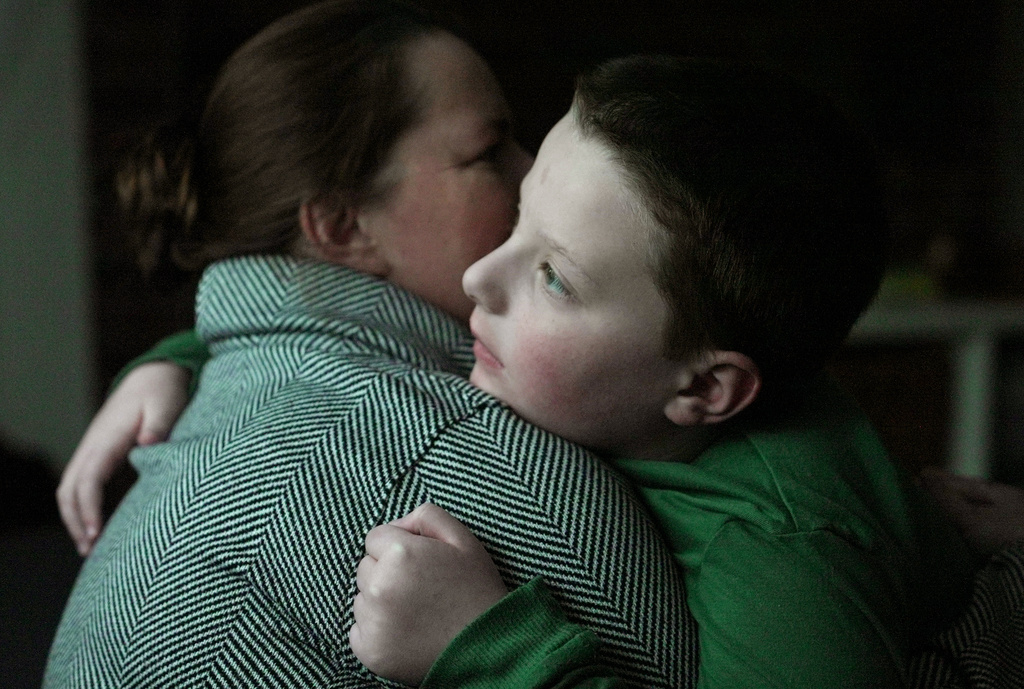
For families providing round-the-clock care, these academic and policy discussions have real-world implications. Many parents of severely affected individuals describe feeling invisible in conversations dominated by higher-functioning self-advocates. They worry about their children’s future care when they are no longer able to provide it themselves.
“When most people think of autism today, they picture someone with social challenges who might need accommodations at school or work, but who can generally function independently,” said one specialist who requested anonymity to speak freely about the contentious issue. “The reality for many families is dramatically different—involving non-verbal communication, intellectual disabilities, and sometimes challenging behaviors that require constant supervision.”
The financial burden on these families is substantial. Lifetime care costs for individuals with severe autism can exceed $2.4 million, according to recent studies. Many families struggle to access adequate services, especially as their children transition to adulthood when educational entitlements end.
State support systems vary widely, with some families waiting years on Medicaid waiver programs that provide home and community-based services. The shortage of residential options for adults with high support needs has created what many parents describe as a crisis in care.
Advocates for a separate diagnosis believe it would bring greater awareness and resources to these challenges, while opponents fear it could undermine decades of work toward neurodiversity acceptance and inclusion.
What both sides agree on is the need for more research, support, and public understanding of the full spectrum of autism—especially for those whose voices are rarely heard in public discourse.
As the medical community continues to debate diagnostic classifications, families continue providing extraordinary care with limited resources and recognition. Their daily experiences offer important perspective on the real-world impact of how society chooses to categorize, understand and support people with developmental disabilities.
The evolving understanding of autism—from a rare condition once blamed on “refrigerator mothers” to a spectrum affecting approximately 1 in 36 American children—reflects changing social attitudes and scientific knowledge. How the medical establishment ultimately addresses the needs of those requiring the highest levels of support may shape the next chapter in this ongoing story.
Fact Checker
Verify the accuracy of this article using The Disinformation Commission analysis and real-time sources.

9 Comments
This is a complex and sensitive topic that deserves careful, informed discussion. The challenges facing those with the most profound autism-related impairments must not be overlooked or dismissed amid the broader public discourse. A balanced, compassionate approach is essential.
The article raises important questions about how to best support the full range of autism experiences and care needs. While progress has been made, there is still work to be done to ensure all individuals on the spectrum receive the tailored, comprehensive assistance they require.
Separating autism into distinct categories could help ensure those with the highest support needs receive the specialized, comprehensive care they require. However, any such changes would need to be carefully considered to avoid worsening stigma or inequities.
You raise a good point. Any reclassification would need to be implemented thoughtfully to avoid unintended consequences and ensure continued access to services for all on the autism spectrum.
Broadening the autism spectrum definition has led to more diagnoses, but also risks obscuring the unique challenges faced by those with the most significant support requirements. Balancing advocacy for inclusion with ensuring adequate, specialized care is a nuanced and critical issue.
It’s concerning to hear that political controversies and celebrity coverage have overshadowed discussions about the real challenges and care needs of autistic individuals, especially those with the most profound impairments. This is an important issue that deserves more balanced, informed attention.
This article highlights an important and often overlooked aspect of autism – the profound, lifelong care needs of some individuals on the spectrum. It’s critical that we give equal attention to the full range of experiences and support requirements within the autism community.
Addressing the diverse and nuanced needs within the autism community is clearly an ongoing challenge. This article highlights an important angle that warrants more substantive attention and consideration from policymakers, medical experts, and advocates alike.
This article highlights the complex and diverse experiences of those with autism. While increased awareness is positive, the focus on mild cases and political debates has come at the expense of addressing the profound, lifelong needs of some on the spectrum. A more holistic approach is clearly needed.