


Listen to the article
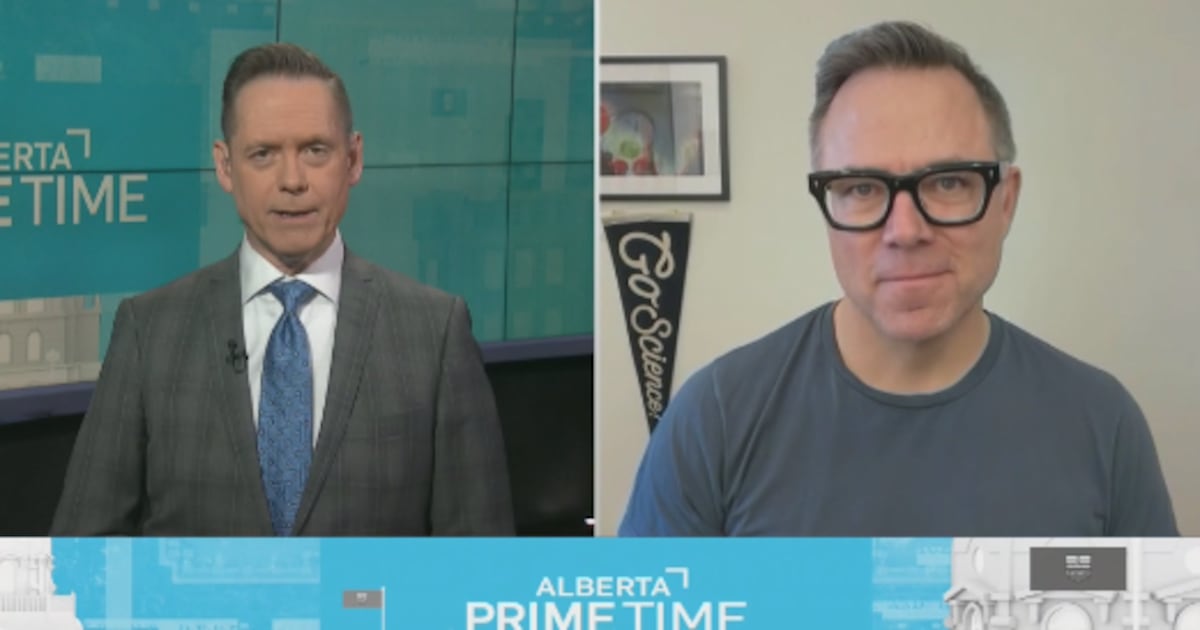
Alberta separation rhetoric shares alarming parallels with health misinformation, according to Timothy Caulfield, a leading expert in health law and policy at the University of Alberta. This connection reveals concerning patterns in how misleading information spreads across different domains of public discourse.
Caulfield, who serves as the Canada Research Chair in health law and policy, has identified striking similarities between Alberta sovereignty movements and the tactics used to spread health misinformation during the pandemic. His research suggests that both movements rely on similar psychological mechanisms to gain traction.
“We see a lot of the same rhetorical tools being used,” Caulfield explained in a recent interview. “There’s this sense of loss of autonomy, references to tyranny, and claims of conspiracies working against average citizens.”
The parallels extend to how these narratives build and maintain dedicated followings. Both movements frequently portray themselves as representing authentic voices fighting against elite institutions. They position skepticism of established facts as a virtue while creating an “us versus them” dichotomy that strengthens in-group identity.
Alberta’s separatist sentiments have existed for decades but gained renewed momentum following federal policies perceived as damaging to the province’s oil and gas sector. The Sovereignty Act, championed by Premier Danielle Smith, reflects these tensions by asserting provincial authority to reject federal legislation deemed harmful to Alberta’s interests.
Social media plays a crucial role in amplifying both sovereignty arguments and health misinformation, Caulfield notes. Online platforms create echo chambers where controversial ideas gain credibility through repetition rather than factual merit. Algorithms further intensify exposure to content that reinforces existing beliefs while limiting opposing viewpoints.
“These information bubbles make it increasingly difficult for people to receive balanced information,” said Caulfield. “Once someone is embedded in these communities, external facts often strengthen rather than weaken their commitment to the cause.”
Economic anxieties further fuel both movements. Alberta’s economy, heavily dependent on natural resources, has experienced significant volatility in recent years. This uncertainty creates fertile ground for narratives that promise simple solutions to complex problems.
The phenomenon extends beyond Alberta’s borders. Similar patterns appear in separatist movements worldwide and in various forms of science denialism. Climate change skepticism, for instance, employs comparable rhetoric about government overreach and challenges to personal freedom.
Media literacy experts emphasize that recognizing these patterns represents the first step in addressing misinformation. Understanding how emotional appeals and identity-based arguments substitute for factual discourse helps citizens better evaluate political claims.
“It’s not about dismissing legitimate political disagreements,” clarified Caulfield. “It’s about recognizing when policy debates are being driven by misinformation rather than factual considerations.”
Political scientists warn that the integration of misinformation tactics into mainstream political discourse threatens democratic institutions by eroding shared understanding of basic facts. When significant portions of the electorate operate from fundamentally different information ecosystems, compromise becomes increasingly difficult.
Alberta’s current provincial government has at times embraced sovereignty rhetoric while rejecting characterizations that they support separation. Premier Smith maintains that her government seeks a stronger position within confederation rather than independence from Canada.
The impact of separation discussions extends beyond politics into economic considerations. Investment analysts note that uncertainty about Alberta’s constitutional future could potentially influence business decisions, particularly in sectors requiring long-term capital commitments.
Addressing these information challenges requires multi-faceted approaches, according to communication experts. These include improved education about information evaluation, responsible platform design that doesn’t amplify misleading content, and renewed commitment to fact-based political discourse.
Caulfield recommends that citizens approach both health and political information with critical thinking skills, seeking diverse information sources and questioning emotional appeals that substitute for evidence.
“The techniques used to spread misinformation are remarkably consistent,” Caulfield concluded. “Recognizing these patterns helps us become more resistant to manipulation, whether the topic is vaccines or constitutional arrangements.”
Fact Checker
Verify the accuracy of this article using The Disinformation Commission analysis and real-time sources.

12 Comments
The comparison between Alberta sovereignty and pandemic misinformation is thought-provoking. Caulfield’s research highlights how misleading narratives can gain traction through leveraging feelings of lost autonomy and claims of conspiracies. Curious to learn more about the underlying drivers behind this.
Agreed, the parallels are concerning. It suggests a broader societal phenomenon where certain groups are increasingly drawn to simplistic explanations that reinforce their worldviews, even if those views contradict facts and expertise.
The connection between Alberta separation rhetoric and health misinformation is an intriguing and unsettling finding. It underscores how divisive narratives can spread across different domains, fueled by common psychological factors. Caulfield’s insights are a valuable contribution to understanding these complex social dynamics.
Absolutely, the tendency to frame skepticism as virtuous and position oneself against elites is worrying, regardless of the specific issue. This pattern deserves closer examination to address the underlying drivers and societal implications.
The comparison between Alberta sovereignty movements and pandemic misinformation is a fascinating and concerning finding. Caulfield’s insights highlight how divisive narratives can gain traction by appealing to feelings of lost autonomy and claims of conspiracies. Understanding these underlying dynamics is crucial for addressing the spread of misinformation.
Absolutely, the parallels in the rhetorical tools and psychological mechanisms used are quite striking. This suggests the need for a more holistic approach to tackling the proliferation of misleading narratives, regardless of their specific subject matter.
Caulfield’s research sheds light on the concerning parallels between Alberta separation rhetoric and the tactics used to spread health misinformation. The reliance on similar psychological mechanisms to build dedicated followings is a troubling trend that warrants further investigation.
Yes, the use of ‘us vs. them’ narratives and the portrayal of skepticism as a virtue are particularly alarming. These patterns suggest a broader societal challenge in addressing the spread of misleading information across different domains.
Caulfield’s research on the similarities between Alberta separation rhetoric and health misinformation is a valuable contribution to understanding the spread of divisive narratives. The tendency to frame skepticism as a virtue and create an ‘us vs. them’ dynamic is a concerning pattern that deserves closer examination.
Agreed, the connection between these two seemingly disparate domains is thought-provoking. It highlights the need to explore the underlying societal factors that enable the proliferation of misleading information and the rejection of established facts.
Interesting insights on the parallels between Alberta separation rhetoric and health misinformation tactics. The tendency to frame skepticism as virtue and paint a narrative of ‘us vs. them’ is concerning. Wonder if this reflects broader societal trends beyond just these two domains.
Yes, the psychological mechanisms driving these movements do seem quite similar. Building dedicated followings by casting doubt on established facts and institutions is a worrying pattern.