


Listen to the article
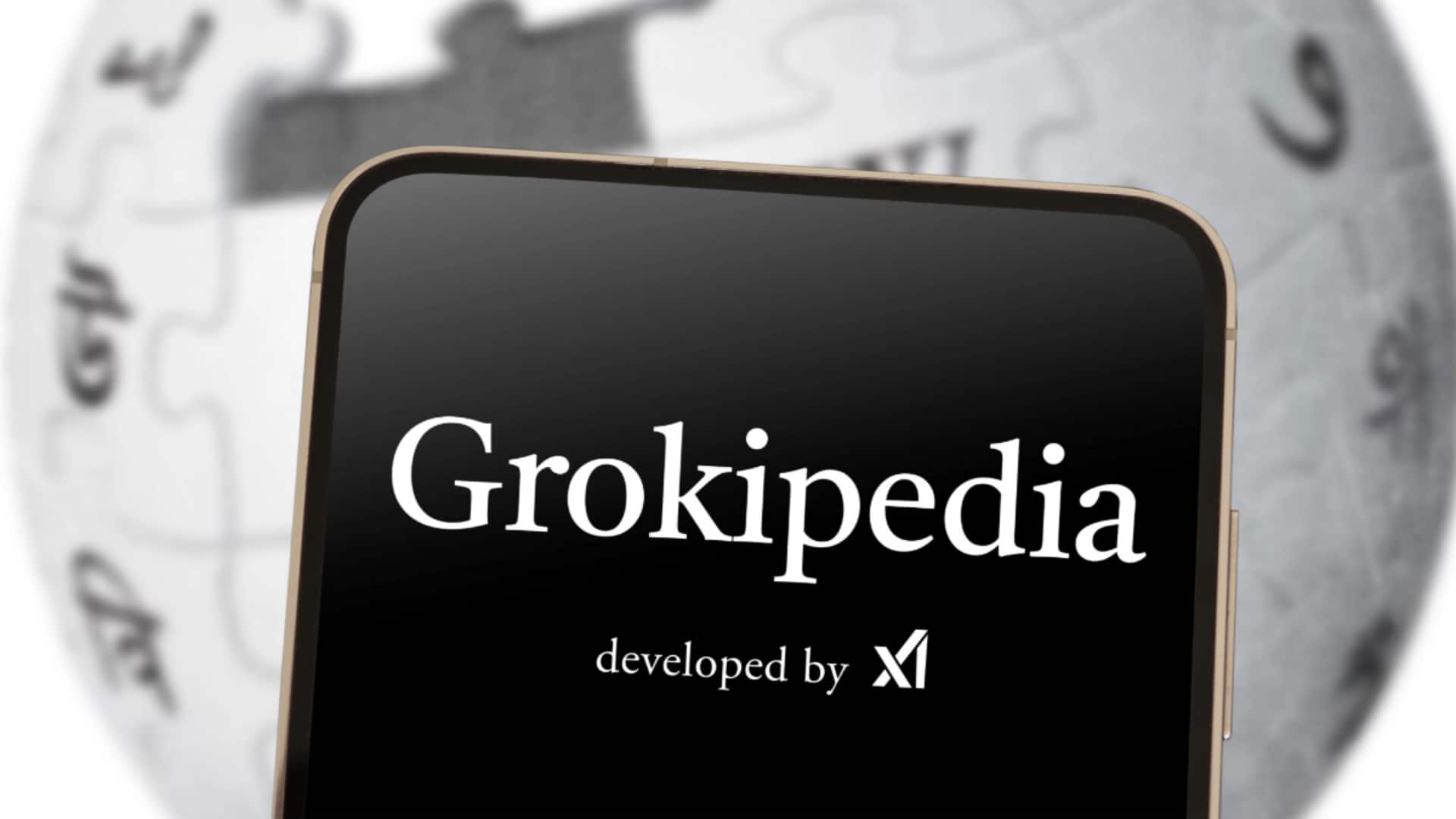
In a significant development within the artificial intelligence landscape, xAI’s AI-generated encyclopedia Grokipedia is increasingly being referenced by major AI tools including ChatGPT, Gemini, and others, raising concerns about information accuracy and potential misinformation proliferation.
This trend, highlighted in a recent report by The Verge, shows how Grokipedia—despite being a relatively new resource—is gaining traction as a reference source for AI-generated responses across multiple platforms.
Analytics firm Ahrefs has documented Grokipedia being cited in more than 263,000 ChatGPT responses from a dataset of 13.6 million prompts. The encyclopedia currently contains approximately 95,000 pages of content, representing a small but growing influence in the AI information ecosystem.
Marketing platform Profound’s analysis reveals that Grokipedia currently accounts for approximately 0.01-0.02% of daily ChatGPT citations. While this percentage appears modest, researchers have observed a steady increase since mid-November, indicating a growing reliance on this source. Semrush has identified a similar upward trend across Google’s AI products since December, though Grokipedia still remains less referenced than more established information sources.
The adoption pattern varies significantly across different AI platforms. According to Ahrefs data, ChatGPT leads in Grokipedia citations, while Google’s Gemini has referenced it in approximately 8,600 responses. Microsoft’s Copilot has cited the encyclopedia in around 7,700 answers, and Google’s AI Overviews in 567 responses. Some researchers suspect that Anthropic’s Claude may also be referencing Grokipedia, though this isn’t officially tracked in available datasets.
The citation patterns reveal interesting differences in how AI tools utilize and present Grokipedia as a source. Jim Yu, CEO of BrightEdge, noted that AI systems typically turn to the encyclopedia for “non-sensitive queries” such as straightforward definitions or encyclopedic information requests.
However, the authority granted to Grokipedia varies substantially between platforms. Google’s AI Overviews tends to list it alongside other sources, treating it as supplementary information, while ChatGPT often gives it more prominence—sometimes positioning it among the first sources cited in responses.
What particularly concerns researchers and technology ethicists is Grokipedia’s content creation and oversight model. Unlike traditional encyclopedias with human editors and transparent editorial policies, Grokipedia is created and maintained by xAI’s chatbot Grok, with no clear human supervision process.
When the platform initially launched, investigations revealed that many articles appeared to be directly copied from Wikipedia, while others contained problematic content including racist and transphobic viewpoints or factually misleading information.
Critics have identified specific concerns with certain entries, including articles that appear to downplay Elon Musk’s family wealth origins, misrepresent historical events, or frame topics with questionable ideological perspectives. The lack of transparent editorial standards has raised questions about content reliability at a time when major AI systems are increasingly referencing the resource.
This development comes amid broader industry concerns about how AI systems determine trustworthy information sources and the potential for misinformation amplification through AI-to-AI information sharing. As more AI tools incorporate Grokipedia into their knowledge bases, the need for critical evaluation of AI-generated reference materials becomes increasingly important for maintaining information integrity.
The growing influence of Grokipedia highlights the complex challenges facing the AI industry as it navigates questions of information quality, source reliability, and the potential risks of circular information ecosystems where AI systems increasingly reference other AI-generated content.
Fact Checker
Verify the accuracy of this article using The Disinformation Commission analysis and real-time sources.

8 Comments
The increasing reliance on Grokipedia by AI tools is an intriguing trend, but the potential for misinformation is worrying, particularly in domains like mining and commodities where accurate information is essential. I hope the relevant authorities and industry groups will closely monitor this situation.
The increasing use of Grokipedia by AI tools like ChatGPT is an interesting development, but it also raises valid concerns about information quality and potential misinformation. As an investor in mining and commodities, I’ll be keeping a close eye on how this plays out.
As a researcher in the mining and energy sectors, I’m somewhat skeptical of the reliability of Grokipedia as a reference source for AI tools. The rapid growth in citations is concerning and highlights the need for greater transparency and oversight of these AI-powered information ecosystems.
I share your concerns. Robust fact-checking and auditing processes will be crucial to ensure the integrity of the information used by AI systems, especially in sensitive industries like mining and energy.
Interesting to see Grokipedia gaining traction as a reference source for AI tools like ChatGPT. While the current percentage of citations is modest, the steady increase is noteworthy. It will be important to monitor the quality and accuracy of the information in Grokipedia to ensure AI responses are not spreading misinformation.
Absolutely, the potential for misinformation is a valid concern as AI tools increasingly rely on sources like Grokipedia. Rigorous fact-checking and oversight will be crucial to maintain the integrity of AI-generated content.
As an AI enthusiast, I’m curious to see how Grokipedia’s growing influence in the AI information ecosystem will play out. While the current volume of citations is small, the trend bears close watching, especially when it comes to sensitive topics like mining and energy.
You raise a good point. The mining and energy sectors are particularly vulnerable to misinformation, so it’s important that AI-generated content relying on Grokipedia is scrutinized carefully for accuracy and bias.