


Listen to the article
AI-Generated Videos for Toddlers Raise Developmental Concerns
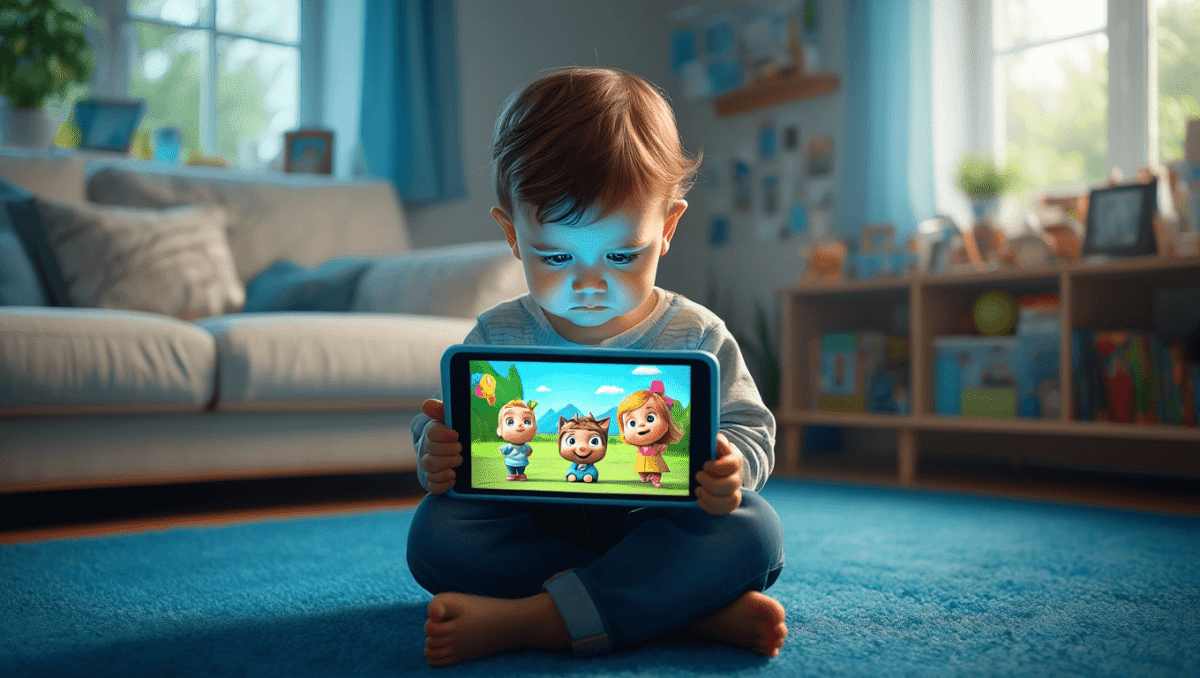
Child development experts are sounding the alarm about the proliferation of AI-generated videos targeting toddlers, warning that these synthetic creations could fundamentally alter how young children learn to distinguish reality from fiction during a critical period of brain development.
The rapid advancement of video generation technology has dramatically lowered barriers to content creation. With minimal technical expertise, creators can now produce videos from simple text prompts, often copying and remixing elements from existing content. This has led to a surge in cheaply produced, algorithmically-driven videos specifically designed to capture the attention of young viewers.
“The concern isn’t just about screen time generally, but the nature of what children are seeing,” explains Dr. Maria Santos, a pediatric neurodevelopment specialist. “Young children lack the cognitive framework to evaluate what’s real or possible on screen, and their brains are forming critical neural pathways that will shape how they understand the world.”
This content explosion comes at a time when digital device usage among young children is already widespread. Recent survey data indicates that approximately 90 percent of children under 12 have at least some regular screen time. Among infants and toddlers, YouTube and similar platforms have become common sources of entertainment, with a significant percentage viewing videos daily.
Platform recommendation algorithms further compound the issue. These systems typically prioritize metrics like watch time and engagement, giving an advantage to fast-paced, formulaic content that captures attention quickly—precisely the type of material often churned out using AI generation tools.
“What we’re seeing is a content production pipeline optimized for volume and engagement, not child development,” says James Wilson, an early childhood education researcher. “Creators can follow templates and use automation to produce dozens of videos quickly, and some even promote this as an easy revenue strategy.”
Early childhood educators emphasize that quality content for young learners should feature appropriate pacing, clear language, and intentional learning experiences. Many AI-generated videos fail to incorporate these elements, instead presenting a chaotic stream of distorted visuals and confusing narratives.
“Children’s developing sense of truth is largely shaped by their early experiences,” notes Emily Chen, director of a preschool program in Boston. “If those formative encounters are dominated by impossible or distorted AI imagery, it could significantly influence how they construct mental models of the world.”
Child psychologists are particularly concerned about the developmental implications. Toddlers need predictable structure and human-guided interactions to develop healthy cognitive patterns. The automated, often bizarre nature of AI-generated content frequently lacks these essential qualities.
Some observers have characterized the current situation as an unprecedented social experiment on child development. The long-term cognitive effects of early exposure to algorithmic feeds filled with AI-generated content remain unknown and won’t be measurable for years—yet this exposure is happening now on a massive scale.
Major video platforms have implemented policy changes aimed at limiting low-quality material. Representatives from these companies argue that their monetization and recommendation systems discourage mass-produced, low-value content. However, moderation efforts have struggled to keep pace with creators’ ability to produce new material, and automated systems sometimes misclassify content aimed at children.
For parents concerned about these issues, child development specialists recommend several practical approaches. These include selecting human-made, educational videos with clear pacing and purpose, limiting the duration of unsupervised viewing for toddlers, co-viewing content with children and discussing what they see, and utilizing parental controls and age-appropriate apps designed specifically for young learners.
Meanwhile, researchers are calling for comprehensive longitudinal studies to track how early exposure to algorithmic, AI-mixed media affects cognition and social learning in developing minds. They particularly want to examine impacts on attention spans, language development, and reality perception in children raised with such content.
Until more definitive research emerges, experts urge a cautious approach and active involvement in curating what young children watch during their most formative years.
Fact Checker
Verify the accuracy of this article using The Disinformation Commission analysis and real-time sources.

18 Comments
This is a timely and important issue that deserves robust discussion. Maintaining a balanced perspective that weighs both the risks and opportunities of AI-powered media will be critical.
Agreed. Finding the right path forward will require collaboration, nuance, and a steadfast commitment to protecting child wellbeing.
This is a complex issue without easy answers. Thoughtful collaboration between experts, policymakers, and industry will be essential to ensure the responsible development and deployment of these technologies.
Well said. Balancing innovation and safeguards for child wellbeing requires a nuanced, evidence-based approach.
The potential harms of AI-driven content for young children are concerning and merit close attention. Rigorous research and stakeholder engagement will be key to developing appropriate safeguards.
I concur. Proactive, multidisciplinary efforts to address this challenge will be crucial going forward.
The potential for AI-generated content to negatively impact early brain development is concerning. Proactive policies and educational initiatives will be needed to mitigate these risks.
Agreed. Fostering media literacy and caregiver awareness should be a priority as this technology continues to advance.
AI-driven content creation has benefits, but we must be vigilant about potential harms, especially for vulnerable populations like young children. Balanced, fact-based approaches are crucial.
Absolutely. Regulatory frameworks and industry standards may be needed to responsibly manage this emerging technology.
This is a complex challenge without easy solutions. Promoting media literacy and caregiver guidance will be key to mitigating risks while harnessing the potential of AI-powered content.
Well said. Collaboration between experts, policymakers, and tech companies will be essential to find the right balance.
The rapid pace of AI video generation raises valid concerns about child development. Thoughtful, evidence-based oversight is needed to ensure these technologies are leveraged safely and responsibly.
I agree. Proactive, multidisciplinary approaches are crucial to protect young minds while allowing for beneficial innovation.
This is a concerning issue that deserves close attention. We need to ensure young children are exposed to developmentally appropriate content that fosters healthy cognitive and social-emotional growth.
Agreed. More research is needed to understand the long-term impacts of AI-generated media on child development.
This is a timely and important issue. Maintaining a nuanced perspective that weighs both the risks and opportunities of AI-driven content will be critical going forward.
Well put. Striking the right balance between innovation and safeguarding child wellbeing is a significant challenge.