


Listen to the article
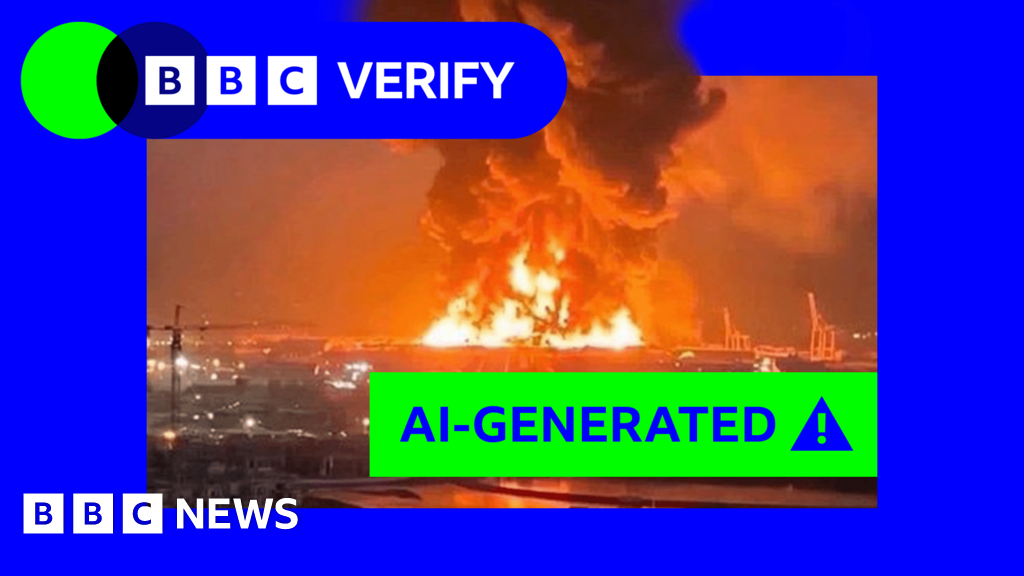
In recent weeks, a troubling trend has emerged on social media platforms: AI-generated videos depicting fabricated scenes of conflict between Iran and other nations are proliferating rapidly, garnering millions of views and generating significant advertising revenue for their creators.
Digital media researchers have identified hundreds of these synthetic videos across platforms like YouTube, TikTok, and Facebook. The content typically features dramatic but entirely fictional footage of explosions, missile launches, and military confrontations supposedly involving Iranian forces.
The surge coincides with heightened tensions in the Middle East, particularly following Iran’s unprecedented direct missile attack on Israel in April. This real-world context has created fertile ground for misinformation, as viewers searching for information about potential conflicts are more likely to encounter and engage with sensationalized fake content.
“These videos represent a new frontier in misinformation,” explains Dr. Sarah Levine, a digital media analyst at the Center for Information Integrity. “What’s particularly concerning is how realistic they appear to casual observers who may not be equipped to identify AI-generated imagery.”
The creators behind these videos have discovered a lucrative opportunity in exploiting geopolitical anxieties. A single viral video can generate thousands of dollars in advertising revenue, especially when it triggers algorithms to recommend it to users interested in current events or military content.
Many videos follow a similar formula: dramatic titles like “BREAKING: Iran Launches Attack” accompanied by thumbnails showing explosions or military equipment. The actual content typically consists of AI-generated footage paired with either computer-generated voiceovers or clips from legitimate news broadcasts taken out of context.
Platform response has been inconsistent. YouTube has removed some videos after they were flagged by researchers, but many remain available. TikTok and Facebook have similarly struggled to identify and remove this content before it reaches large audiences.
“The technology to create these videos has become remarkably accessible,” notes cybersecurity expert James Morrison. “Just a year ago, generating convincing fake footage required specialized skills and equipment. Today, anyone with a smartphone and the right apps can produce content that’s increasingly difficult to distinguish from reality.”
The phenomenon highlights growing concerns about generative AI technologies and their potential to supercharge misinformation campaigns. While deepfakes have existed for several years, recent advances in text-to-video and image generation models have dramatically lowered barriers to creating convincing fake content.
Military and security analysts are particularly concerned about the implications. “In a genuine crisis situation, viral misinformation could significantly complicate diplomatic efforts or even influence military decision-making,” warns former Pentagon advisor Colonel Richard Hartman. “The speed at which these videos spread outpaces traditional fact-checking mechanisms.”
For everyday users, spotting these fakes requires increasing vigilance. Experts recommend checking multiple reliable news sources before believing dramatic footage, looking for visual inconsistencies in videos, and verifying information through established media organizations rather than unknown social media accounts.
The Iranian government has condemned the proliferation of these fake videos, calling them “psychological warfare” designed to increase regional tensions. Israeli authorities have similarly warned citizens to rely only on official communications during periods of heightened alert.
Media literacy advocates are calling for more robust education initiatives to help the public navigate this evolving landscape. “We’re entering an era where visual evidence, long considered the gold standard of proof, can no longer be trusted at face value,” says Maria Gonzalez, director of the Digital Literacy Project. “This fundamentally changes how we all need to consume information.”
As AI technology continues to advance, the challenge of distinguishing fact from fiction will likely intensify. Platforms face mounting pressure to develop more sophisticated detection tools and clearer policies regarding synthetic content, particularly when it relates to sensitive geopolitical situations.
For now, the surge of fake Iran war videos serves as a stark reminder of how quickly new technologies can be weaponized for profit in our attention economy, potentially at the cost of public trust and international stability.
Fact Checker
Verify the accuracy of this article using The Disinformation Commission analysis and real-time sources.

13 Comments
As someone with a professional interest in energy and commodities, I’m concerned about how this could distort market perceptions and decision-making. Robust verification of information sources is crucial for investors and industry leaders.
This is a complex and multifaceted issue that deserves serious attention. I hope policymakers, tech companies, and the public can come together to find effective solutions that protect the integrity of information and discourse.
I’m skeptical of the motives behind much of this content. While the technology may be impressive, the exploitation of fear and uncertainty for financial gain is deeply troubling. Transparency and ethical standards are sorely needed.
I’m curious to learn more about the specific techniques and methods being used to create these videos. While the technology is impressive, the ethical implications of weaponizing it for profit and propaganda are deeply concerning.
The fact that these videos are generating significant advertising revenue for creators is particularly alarming. Platforms must take stronger action to demonetize and remove synthetic content that spreads misinformation.
This strikes me as a clear and present danger to the information ecosystem. Urgent action is needed to address the proliferation of synthetic media, hold creators accountable, and empower the public to spot manipulated content.
The context of heightened regional tensions makes this even more dangerous. Viewers may mistake fiction for fact, with potentially serious geopolitical consequences. Fact-checking and media literacy education are crucial.
This raises serious questions around content moderation, platform accountability, and the broader societal impact of synthetic media. Policymakers and tech leaders must work together to find effective solutions.
I appreciate the detailed reporting on this issue. As an investor in mining and energy equities, I’m particularly interested in how this could impact perceptions and decision-making around those sectors. Reliable information is essential.
Absolutely. Misinformation around geopolitical events and conflicts can have real ripple effects on commodity markets and related industries. Careful analysis and verification of information sources is crucial for making informed investment decisions.
This is a concerning trend. AI-generated videos can be incredibly realistic, but spread misinformation and false narratives. It’s crucial that viewers approach such content with a critical eye and verify claims against credible sources.
The potential for profit is clearly driving many creators to churn out this kind of synthetic content. But the real-world impact on public understanding and perceptions of global events is worrying. Fact-checking and media literacy are more important than ever.
Agreed. These videos can be highly persuasive, even to savvy viewers. Tight regulation and industry standards around AI-generated media are urgently needed to combat the spread of malicious misinformation.