


Listen to the article
Social media platforms are witnessing an unprecedented surge in AI-generated misinformation related to the US-Israel conflict with Iran, raising serious concerns about online information integrity and public trust.
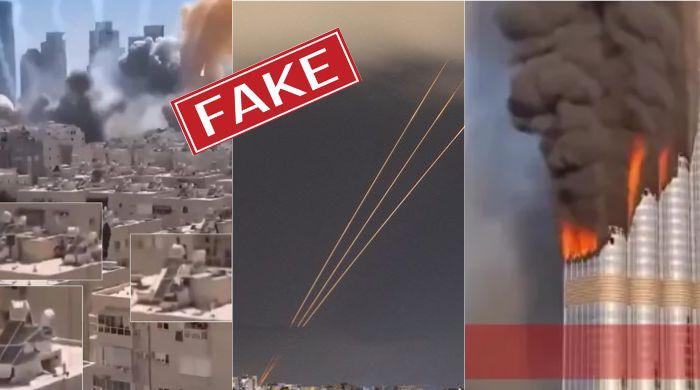
Since the US-Israel attack on Iran, fabricated videos and images have flooded social platforms, with some misleading content attracting millions of views and thousands of shares. Digital creators are capitalizing on the situation by monetizing these fake materials, exacerbating the spread of false information during a sensitive geopolitical crisis.
One particularly viral AI-generated video purporting to show missiles striking Tel Aviv has been reposted by approximately 300 users and shared tens of thousands of times. Another widely circulated fake video depicted Dubai’s iconic Burj Khalifa skyscraper engulfed in flames, further demonstrating how convincing these fabrications can appear to unsuspecting viewers.
Platform operators have begun responding to the crisis. X (formerly Twitter) has suspended multiple content creators from its monetization program for posting AI-generated conflict videos without proper disclosure labels. Despite these efforts, the platform’s own AI systems are struggling to differentiate between real and fabricated content.
In a troubling development, users turning to X’s AI chatbot Grok for verification have encountered significant problems. The AI assistant has repeatedly misidentified artificial content as authentic, undermining the platform’s efforts to combat misinformation and further confusing users seeking reliable information.
The proliferation of such convincing fake content represents a significant escalation in the ongoing battle against digital misinformation. Unlike previous waves of fake news that primarily involved text-based stories or manipulated photos, today’s AI tools can generate remarkably realistic video footage that appears indistinguishable from genuine documentary evidence to the untrained eye.
“Fake videos like these have a detrimental impact on people’s trust in the verified information they see online and make it much harder to document real evidence,” warns Mahsa Alimardani of the Oxford Internet Institute. This erosion of trust poses particular dangers during international conflicts when accurate information is crucial for public understanding and diplomatic responses.
Media literacy experts suggest this phenomenon represents a new frontier in information warfare, where the sheer volume and convincing nature of AI-generated content can overwhelm traditional fact-checking measures. Even savvy internet users may struggle to distinguish between authentic and artificially created footage, especially when content is viewed on mobile devices or shared through platforms that compress video quality.
The situation highlights the urgent need for more robust detection tools and clearer platform policies regarding AI-generated content. Some technology experts are calling for mandatory watermarking or metadata tagging of all AI-generated media, though implementation challenges remain significant.
For users navigating social media during sensitive global events, the explosion of AI-generated war content serves as a stark reminder to verify information through multiple credible sources before accepting or sharing dramatic footage of purported military actions.
As AI generation technology continues to advance, the challenge of maintaining information integrity during international crises will likely intensify, requiring coordinated responses from technology platforms, media organizations, and government agencies tasked with countering disinformation campaigns.
Fact Checker
Verify the accuracy of this article using The Disinformation Commission analysis and real-time sources.

13 Comments
This is a really concerning trend. AI-generated misinformation could have serious consequences during a geopolitical crisis like this. I hope the platforms can get a handle on it quickly to prevent further spread of false information.
Absolutely, the ability of AI to create such convincing yet fabricated content is worrying. Proper disclosure and moderation will be crucial to maintain trust in online information.
This is a worrying development, especially during a time of heightened tensions. The ability of AI to create such convincing misinformation is a real threat to informed decision-making. I hope platforms can find effective solutions.
As someone who follows the mining and energy sectors, I’m concerned about the potential impact of this misinformation on markets and public sentiment. Fact-checking and source verification will be critical going forward.
Good point. False information related to sensitive geopolitical issues could easily spill over into commodity and energy markets, causing undue volatility. Careful curation of content is essential.
The scale of this problem is really alarming. Millions of viewers being exposed to fabricated content is extremely dangerous. I hope this incident prompts platforms to strengthen their AI detection and moderation capabilities.
Agreed, the proliferation of these fake videos is a serious issue that requires a multi-pronged approach. Enhanced AI tools, human review, and transparency measures will all be needed to combat this threat.
It’s alarming to see how quickly these fake videos can go viral and reach millions of viewers. Monetizing misinformation is a new low. I hope the crackdown on content creators helps curb this problem.
Agreed, the monetization aspect is particularly troubling. Platforms need to be vigilant and act swiftly to demonetize and remove this kind of manipulative content.
The monetization aspect of this misinformation is particularly concerning. Profiting off the spread of false information during a sensitive conflict is unethical. Platforms need to crack down on these practices.
As someone with an interest in the mining and energy industries, I’m concerned about the potential knock-on effects this misinformation could have on commodity markets and investor sentiment. Fact-checking will be crucial.
This is a very troubling development. The ability of AI to generate such convincing yet false content during a geopolitical crisis is extremely worrying. I hope platforms take strong action to limit the spread of this misinformation.
Absolutely, the potential for these fake videos to sow confusion and undermine trust is a major concern. Vigilant moderation and disclosure requirements will be essential to mitigate the damage.