


Listen to the article
Nuclear Threat Heightens 80 Years After First Atomic Test
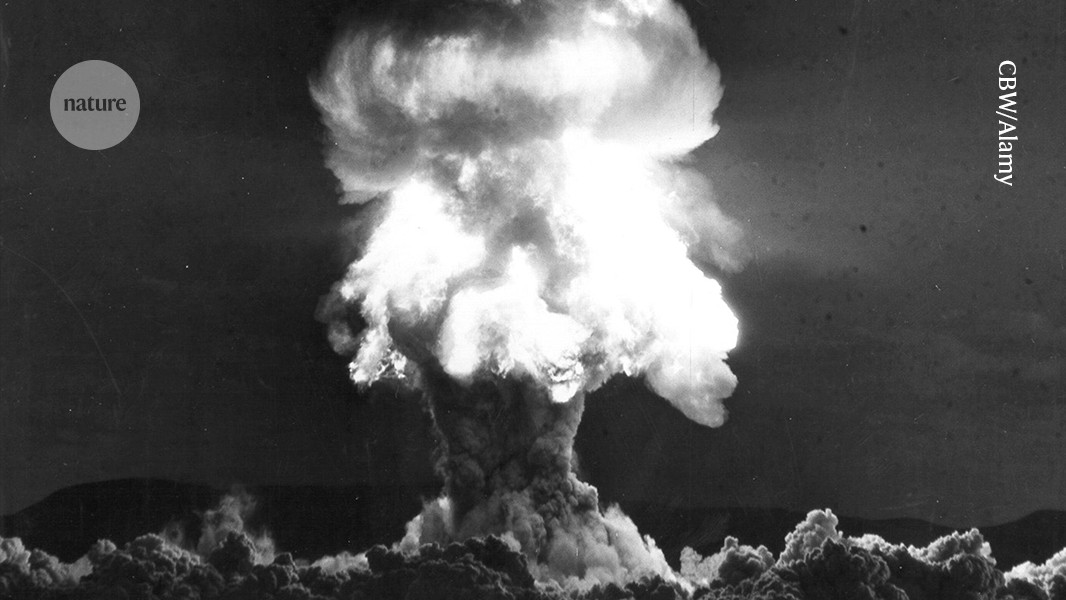
Eighty years after the world’s first nuclear explosion at New Mexico’s Trinity Site, security experts warn that the risk of nuclear conflict stands at its highest point in decades. The historic July 1945 test, which led to the bombing of Hiroshima and Nagasaki just weeks later, ushered in an era of nuclear deterrence that continues to shape global politics today.
A gathering of nuclear security specialists and Nobel laureates at the University of Chicago this week highlighted growing concerns about the current nuclear landscape. Beyond the sheer number of nuclear weapons—over 12,000 warheads worldwide—experts identified emerging technologies and geopolitical tensions as critical factors amplifying nuclear risks.
Today’s nuclear club consists of nine nations: the United States, Russia, China, France, the United Kingdom, India, Pakistan, Israel, and North Korea. The assembled experts emphasized that artificial intelligence and the proliferation of misinformation have created new pathways to potential nuclear conflict by disrupting the delicate balance of deterrence.
“These technologies can fuel tensions between nuclear-armed nations and increase the odds of a hair-trigger attack,” noted one participant, highlighting the urgency for scientific engagement on this issue.
The Chicago meeting follows in the tradition of scientific advocacy for nuclear restraint. Just ten years after Trinity, physicist Otto Hahn led Nobel laureates in condemning nuclear weapons’ lethality. That same month in 1955, Albert Einstein and Bertrand Russell issued their famous warning about nuclear war potentially causing “universal death, sudden only for a minority, but for the majority a slow torture of disease and disintegration.”
The current geopolitical climate presents numerous flashpoints that could trigger nuclear escalation. Russia’s 2022 invasion of Ukraine, North Korea’s ongoing nuclear development, and recent Israeli and U.S. strikes on Iranian nuclear facilities have created what experts describe as a “tinderbox of uncertainty.”
A troubling case study emerged in May during a brief but dangerous conflict between nuclear-armed India and Pakistan. Social media platforms in both countries became flooded with fabricated images purporting to show damage from military strikes. Security analysts point to this incident as evidence of how misinformation can increase nuclear risk by creating misunderstandings between adversaries.
“Nuclear deterrence depends on a clear understanding of an enemy’s capabilities and intentions,” explained one researcher. “Misinformation thickens the fog of war, raising the risk of catastrophic errors.”
The integration of AI into military systems presents another layer of concern. While most details remain classified, experts believe that nuclear-armed nations are incorporating AI into their weapons operations. The concern isn’t necessarily about AI directly controlling launch decisions but rather how AI-accelerated decision-making could magnify the risk of errors in high-stakes military situations.
Participants at the Chicago meeting issued a declaration outlining urgent steps for reducing nuclear dangers. Their recommendations include reaffirming commitments to ban nuclear testing, calling for U.S.-Russia negotiations on a successor to the New START treaty expiring in 2026, and urging China toward transparency regarding its growing nuclear arsenal.
Brian Schmidt, an astrophysicist at Australian National University who co-organized the meeting, emphasized the responsibility scientists bear in addressing these threats. “Scientists must take their expertise to their political leaders and ensure that nuclear weapons will never be used again,” he stated.
The gathering continues a tradition of scientific engagement on nuclear issues that dates back to the 1957 Pugwash conference, which emerged from the Russell-Einstein manifesto and continues to bring together leading scientists to address nuclear threats.
As the world marks this somber anniversary, the experts’ message is clear: without renewed attention to nuclear risks—particularly those amplified by emerging technologies—humanity faces the most profound possible consequence of inaction: nuclear war.
Fact Checker
Verify the accuracy of this article using The Disinformation Commission analysis and real-time sources.

20 Comments
Nuclear weapons are inherently destabilizing, regardless of the geopolitical climate or technological advancements. I hope this serves as a wake-up call to redouble efforts toward nuclear disarmament and non-proliferation.
Absolutely. The only way to truly eliminate the risk of nuclear conflict is to work toward the complete elimination of these weapons worldwide.
While the nuclear threat has never truly gone away, it’s deeply concerning to see the landscape becoming more unstable and unpredictable. The role of AI and misinformation in this dynamic is particularly troubling and deserves careful scrutiny.
I agree. The potential for these technologies to disrupt the delicate balance of nuclear deterrence is a serious risk that demands a coordinated global response. Strengthening international cooperation and communication will be critical.
The warnings from nuclear security experts are a stark reminder of the fragility of the global nuclear order. As new technologies emerge, we must be vigilant in addressing the vulnerabilities they introduce and work to prevent further escalation of nuclear threats.
Absolutely. Proactive diplomacy and risk reduction measures will be essential to maintaining stability and reducing the likelihood of nuclear conflict in the face of these new challenges.
This is a profoundly concerning development. The combination of advanced technologies like AI and the proliferation of misinformation is a dangerous recipe that could unravel decades of progress in nuclear non-proliferation and risk management. We must act decisively to address these emerging threats.
I agree. Strengthening global governance and cooperation around the use of these technologies in the nuclear domain should be a top priority for the international community. Failure to do so could have catastrophic consequences.
This is a sobering reminder of the continued fragility of the global nuclear order. While the risks are daunting, I hope the international community can come together to address these emerging threats in a spirit of cooperation and mutual understanding.
Precisely. Fostering open dialogue and finding common ground between nuclear-armed nations will be critical to reducing tensions and preventing catastrophic outcomes.
The nuclear threat has never gone away, and it’s concerning to see it reemerging as a pressing global issue. We must take this warning seriously and redouble our efforts to promote nuclear non-proliferation and disarmament.
Agreed. The world cannot afford another nuclear crisis. Proactive diplomacy and risk reduction measures are essential to maintaining global stability.
The potential for AI and misinformation to exacerbate nuclear risks is deeply concerning. I’m curious to learn more about the specific vulnerabilities and how experts propose to mitigate them. Strengthening global governance around these technologies seems essential.
You raise an important point. Developing robust safeguards and norms around the use of AI and information technologies in the nuclear domain will be a key challenge for the international community going forward.
This is a sobering reminder of the ongoing nuclear risks we face. The development of AI and spread of misinformation could indeed disrupt the fragile balance of deterrence. We must remain vigilant and work to strengthen global cooperation on nuclear security.
Agreed. Maintaining open communication and transparency between nuclear-armed nations is crucial to managing these emerging threats.
It’s alarming to see the nuclear threat reemerging as a major global security concern. The intersection of AI, misinformation, and nuclear weapons is a deeply worrying development that requires urgent attention and action.
Absolutely. We cannot afford to be complacent about nuclear risks, especially as new technologies introduce novel pathways to potential conflict. Redoubling efforts toward nuclear disarmament and risk reduction should be a top priority.
While the risks are deeply concerning, I’m curious to learn more about the specific AI and misinformation challenges that are exacerbating nuclear tensions. What are the key vulnerabilities that need to be addressed?
That’s a good question. The article highlights the potential for AI and misinformation to disrupt the traditional channels of communication and decision-making around nuclear issues. Understanding these new risks is critical.