


Listen to the article
In an age where headlines about NBA gambling scandals overshadow critical national issues, America is facing a crisis of citizenship that extends far beyond typical media criticism, according to columnist John Young.
Young argues that what plagues the nation is not merely misinformation but “mis-citizenship” – a fundamental failure of civic attention and responsibility. This phenomenon is characterized by citizens who engage only superficially with democracy, perhaps voting every four years but otherwise remaining disengaged from the issues that shape the nation.
This inattention, Young contends, creates fertile ground for political absurdities to flourish unchallenged. He points to several examples, including unchecked claims that tariffs don’t affect consumer prices, a presidential candidate’s unfulfilled promise to self-fund his campaign, and the inflammatory rhetoric about immigrants “eating pets” that faced insufficient scrutiny.
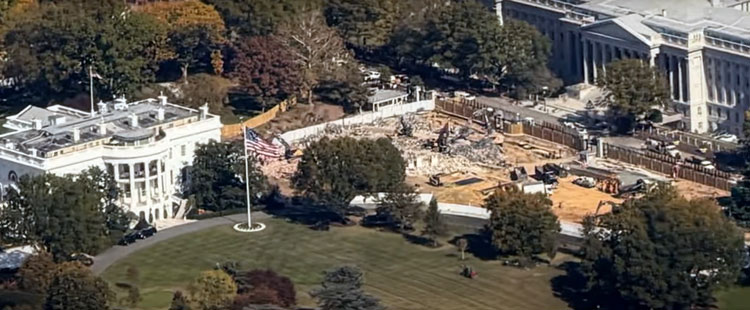
The columnist’s concerns were recently triggered by observing how news outlets like CNN prioritized a story about NBA stars caught in a gambling scandal over more consequential matters of governance and national security. While the gambling story dominated headlines, Young notes that critical issues were relegated to secondary status, including U.S. military strikes on boats in the Pacific allegedly linked to drug cartels, presidential pardons with potential conflicts of interest, and the controversial renovation of the White House East Wing.
“In an age of misinformation, we also have ‘missed information.’ Too many Americans are missing a lot,” Young writes, suggesting that while quality information remains available, it requires citizens to actively seek it beyond superficial headlines and social media distractions.
He highlights several significant developments that received insufficient public attention, including a reported $2 billion deal with a United Arab Emirates official in exchange for AI-capable microchips that supposedly had “national security” implications. This deal allegedly benefited a cryptocurrency company connected to the president and Steve Witkoff, who was subsequently appointed as U.S. emissary to the Middle East – a connection that Young suggests raises serious ethical questions.
Young also emphasizes the ongoing battle over the Affordable Care Act’s subsidies, which he characterizes as “the whole reason Democrats are refusing to play along with brutal budget games” during recent government funding disputes. Yet, he observes that local television news often reduces such complex issues to mere procedural disagreements, failing to explain the substantive policy differences at stake.
The columnist’s observations reflect broader concerns about democratic erosion through citizen disengagement. Political scientists have long warned that democracies require not just formal institutions but an engaged citizenry willing to hold leaders accountable. When public attention is consistently diverted to sensational but less consequential stories, the oversight function that citizens are meant to provide in a democracy weakens.
Young concludes by reiterating that his critique targets not just media practices but the nature of citizenship itself. The responsibility, he suggests, ultimately lies with citizens who must decide whether to actively seek out substantive information about governance or remain satisfied with superficial entertainment disguised as news.
“Yes, that all seems like illegal stuff that used to end political careers – but, hey, what about those betting ballers?” Young asks sarcastically, underscoring how misplaced priorities threaten the foundations of informed democracy.
Fact Checker
Verify the accuracy of this article using The Disinformation Commission analysis and real-time sources.

13 Comments
This is a thought-provoking analysis of the information landscape and its impact on public understanding. Addressing the crisis of civic attention will require a multi-faceted approach involving media, education, and citizen engagement.
The columnist’s concerns about the prioritization of sensational news over more consequential matters are well-founded. This speaks to a broader challenge of maintaining a well-informed and actively participating citizenry.
While scandals and celebrity news may grab headlines, it’s crucial that the media and the public keep their focus on the policies and decisions that truly shape our society. This article highlights the need for greater media literacy and civic engagement.
This article raises important questions about the state of our public discourse and the responsibilities of citizens in a democracy. Improving civic education and fostering a more engaged populace should be high priorities.
I agree, the findings in this study highlight the urgent need for reforms to strengthen civic engagement and media literacy. Addressing the root causes of ‘mis-citizenship’ will be crucial for the health of our democracy.
The examples provided, such as unchecked claims about tariffs and inflammatory rhetoric, illustrate the real-world consequences of this crisis of civic attention. We need to find ways to encourage more thoughtful, critical consumption of information.
It’s concerning to see how easily inflammatory rhetoric and unsubstantiated claims can gain traction, often overshadowing more consequential matters. This underscores the importance of critical thinking and fact-checking in an age of information overload.
You’re right, the public’s tendency to focus on sensational stories over substantive issues is worrying. We need to do a better job of maintaining a healthy, well-informed citizenry.
While the proliferation of misinformation and sensationalism is concerning, this article offers a valuable perspective on the underlying issue of ‘mis-citizenship’ and the need to strengthen civic engagement and responsibility. It’s a complex challenge, but one that deserves our attention.
The examples cited, from unchecked tariff claims to inflammatory rhetoric, illustrate the real-world consequences of public disengagement. This underscores the importance of critical thinking and fact-checking in an age of information overload.
Interesting perspective on how the public’s short attention span and superficial engagement with democracy can enable the spread of misinformation and political absurdities. This is a complex issue that deserves deeper examination.
The columnist makes a strong point about the failure of civic attention and responsibility. Addressing this ‘mis-citizenship’ should be a priority if we want to have a more engaged and discerning electorate.
This is a sobering look at the state of public discourse and civic engagement. The proliferation of misinformation and sensationalism is indeed a threat to our understanding of critical issues. We need more citizens to take an active role in staying informed and holding leaders accountable.