


Listen to the article
Bangladesh’s Attorney General Calls for Media Freedom While Cautioning Against AI Misinformation
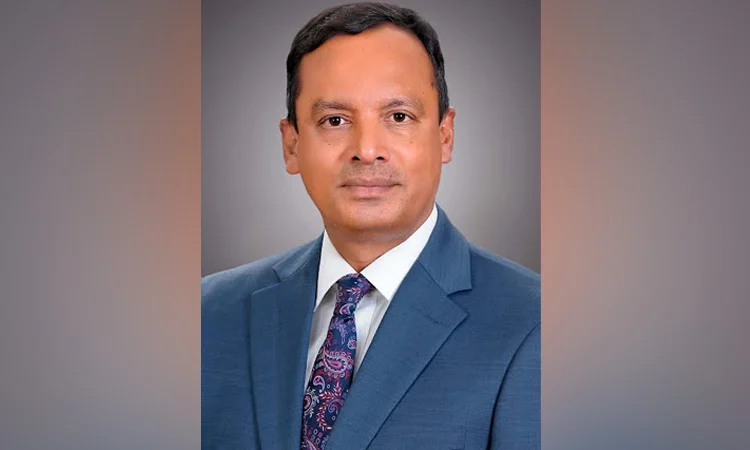
Bangladesh’s Attorney General, Barrister Md Ruhul Quddus Kazal, voiced his support for press freedom while simultaneously warning about the growing threats of artificial intelligence-generated misinformation during a press briefing at his Dhaka office on Friday.
“I believe in the free flow of information,” Kazal told journalists, “but we must remain vigilant to prevent people from being misled by misinformation or AI-generated content.” His comments come at a time when concerns about deepfakes and AI-manipulated media are growing worldwide, particularly in emerging economies like Bangladesh where digital literacy varies widely across the population.
Kazal, who revealed his own past experience in journalism, expressed empathy for media professionals, acknowledging the challenges they face in fulfilling their responsibilities. “I was once involved in journalism, so I understand how challenging it is to carry out a journalist’s professional duties,” he said.
The Attorney General highlighted the unique relationship between the legal system and the media in Bangladesh, where court proceedings generate significant public interest. Legal reporting has traditionally been a cornerstone of Bangladeshi journalism, with coverage of Supreme Court decisions often making front-page news and driving national discourse on governance and rights issues.
Media access to courtrooms has become a point of contention recently, according to Kazal. He noted that journalists previously enjoyed broader access to courtrooms for news coverage, which has been “somewhat restricted” in recent months. This gradual limitation has hampered comprehensive reporting on significant legal proceedings that impact governance and democratic processes in the South Asian nation.
In response to concerns raised by reporters present at the briefing, Kazal pledged to discuss the issue of courtroom access with the Chief Justice. “I believe the Chief Justice will consider the matter reasonably and extend necessary cooperation to facilitate journalists in performing their professional duties,” he assured the press corps.
The Attorney General’s comments reflect the delicate balance Bangladesh is trying to maintain between embracing digital transformation and safeguarding against its potential pitfalls. The country has seen rapid digitalization under the government’s “Digital Bangladesh” initiative, with internet penetration increasing from just 5% in 2009 to over 65% today.
However, this digital growth has been accompanied by challenges. Bangladesh has struggled with waves of misinformation on social media platforms, particularly during politically sensitive periods and crises. The government has implemented various regulations aimed at combating digital misinformation, though critics have expressed concerns that some measures could potentially restrict legitimate journalism.
Kazal’s acknowledgment of the symbiotic relationship between the Attorney General’s Office and the media underscores the crucial role journalists play in legal transparency. “Journalists, alongside lawyers, have a significant role in making the Attorney General’s Office meaningful and effective,” he stated.
Media advocacy organizations in Bangladesh have been calling for improved access to information and greater transparency in court proceedings, arguing that open courts are essential to public trust in the judicial system. The Bangladesh Supreme Court, like many judiciary systems globally, has been working to balance traditional court protocols with the growing demand for transparency.
As AI technologies become more sophisticated and accessible, Kazal’s warning about AI-generated misinformation highlights an emerging challenge for Bangladesh’s legal and media landscapes. The country’s regulatory framework for addressing synthetic media and AI-generated content remains in its early stages, raising questions about how authorities will distinguish between legitimate uses of AI in media and malicious manipulation.
The Attorney General’s remarks signal that Bangladesh’s judicial leadership is aware of these evolving challenges at the intersection of technology, media, and law – issues that countries worldwide are similarly grappling with as AI capabilities continue to advance.
Fact Checker
Verify the accuracy of this article using The Disinformation Commission analysis and real-time sources.

29 Comments
The cost guidance is better than expected. If they deliver, the stock could rerate.
Good point. Watching costs and grades closely.
Uranium names keep pushing higher—supply still tight into 2026.
Production mix shifting toward News might help margins if metals stay firm.
Good point. Watching costs and grades closely.
Good point. Watching costs and grades closely.
Exploration results look promising, but permitting will be the key risk.
Good point. Watching costs and grades closely.
Good point. Watching costs and grades closely.
Uranium names keep pushing higher—supply still tight into 2026.
Good point. Watching costs and grades closely.
Good point. Watching costs and grades closely.
Silver leverage is strong here; beta cuts both ways though.
Good point. Watching costs and grades closely.
Exploration results look promising, but permitting will be the key risk.
Good point. Watching costs and grades closely.
Silver leverage is strong here; beta cuts both ways though.
Good point. Watching costs and grades closely.
The cost guidance is better than expected. If they deliver, the stock could rerate.
Good point. Watching costs and grades closely.
Good point. Watching costs and grades closely.
I like the balance sheet here—less leverage than peers.
Exploration results look promising, but permitting will be the key risk.
Good point. Watching costs and grades closely.
Good point. Watching costs and grades closely.
Silver leverage is strong here; beta cuts both ways though.
Good point. Watching costs and grades closely.
Nice to see insider buying—usually a good signal in this space.
I like the balance sheet here—less leverage than peers.