


Listen to the article
Misinformation Surges Around Indian Elections and Pollution Crisis
A wave of political misinformation and false claims has flooded social media platforms this week, primarily targeting Indian political figures amid ongoing election cycles and environmental concerns. Fact-checking organizations have identified several high-profile cases of fabricated content that gained significant traction online.
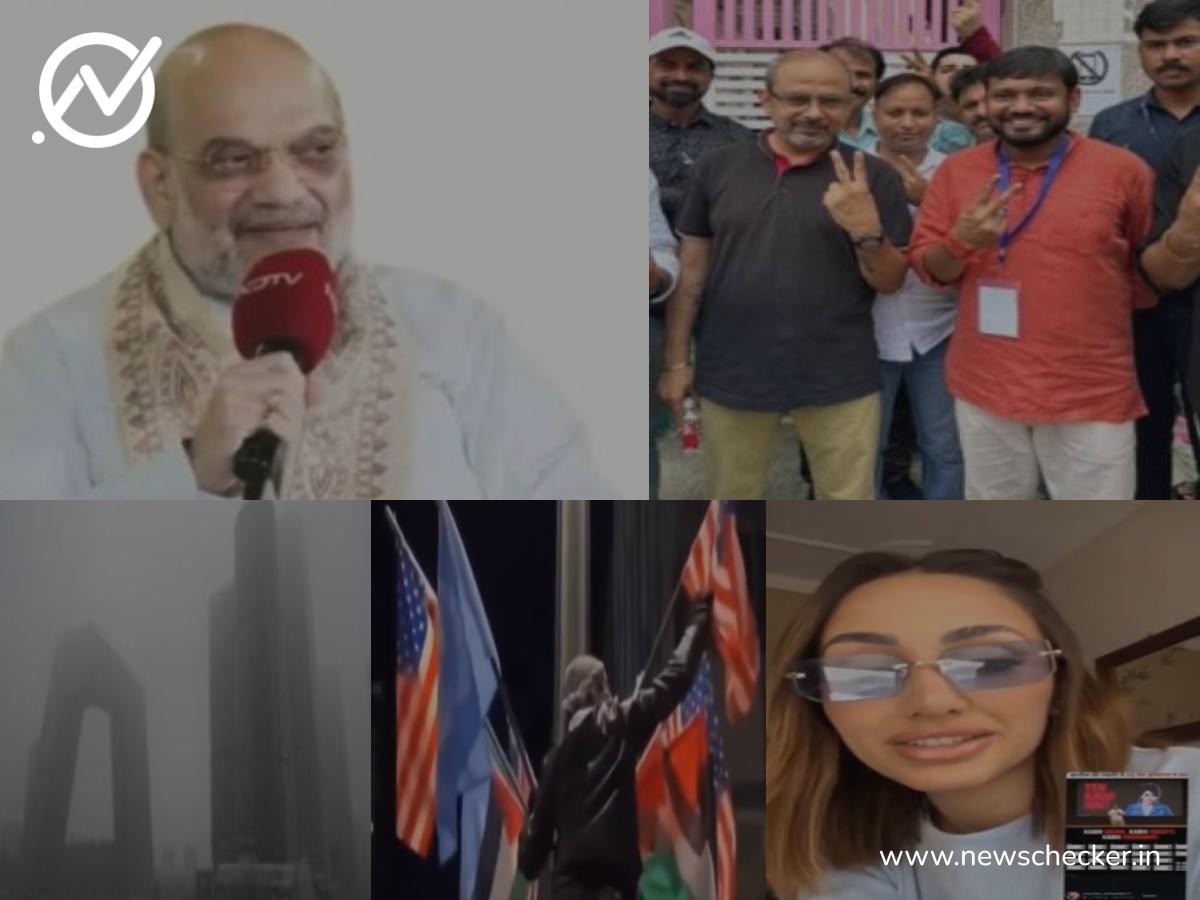
Among the most widely circulated falsehoods was a doctored NDTV news graphic purportedly quoting Home Minister Amit Shah as saying, “All the activists on social media, no matter which party they belong to, are surviving on our 5kg of ration!” The statement, which appeared designed to portray the senior BJP leader as dismissive of social media critics, was determined to be entirely fabricated after comprehensive verification efforts.
The opposition Congress Party also found itself targeted by misinformation campaigns. A manipulated video featuring Brazilian hairstylist Larissa Nery went viral with false captions suggesting she had mocked Rahul Gandhi as a “failed politician.” The manufactured controversy stemmed from a recent press conference where Gandhi had highlighted potential voter fraud in Haryana, using Nery’s image as an example of a foreign model’s photo allegedly being used in electoral manipulation.
The ongoing Bihar Assembly elections have similarly sparked misleading content aimed at discrediting candidates. Congress leader Kanhaiya Kumar became the subject of accusations claiming he had committed electoral fraud by voting both in Delhi during the 2024 Lok Sabha elections and again in the current Bihar polls. Fact-checkers determined these allegations to be baseless, explaining that the images used to support the claim were taken out of context and misrepresented.
Environmental misinformation has also proliferated as Delhi-NCR continues to battle severe air pollution. A series of dramatic photographs allegedly showing Noida and Faridabad shrouded in hazardous smog were widely shared across platforms. However, investigation revealed these images actually depict pollution events in Chinese cities, not India. This misattribution comes as Delhi’s air quality index consistently reaches “severe” levels, prompting health advisories and emergency measures in the capital region.
In international news with an Indian connection, a video falsely claimed to show a Muslim man removing the American flag in New York following Zohran Mamdani’s mayoral victory. Fact-checkers discovered the footage predates Mamdani’s election and has no connection to the Indian-American politician’s recent win.
These cases highlight a concerning pattern of misinformation surrounding political and environmental issues in India, particularly amplified during election seasons. Digital literacy experts note that fabricated quotes, manipulated images, and decontextualized videos remain powerful tools for spreading false narratives, especially when they align with existing political biases.
Media analysts point to the increasing sophistication of misinformation techniques, with creators often using authentic-looking news templates or carefully edited footage to lend credibility to false claims. The emergence of what some are calling “vote chori” (vote theft) allegations represents a particularly troubling trend that undermines trust in electoral processes.
As Bihar continues with its multi-phase assembly elections and environmental concerns grow in northern India, fact-checking organizations urge social media users to verify information through multiple credible sources before sharing content online. The pattern of misinformation targeting both ruling and opposition figures suggests that no political faction is immune to false narratives in India’s increasingly digital information ecosystem.
Fact Checker
Verify the accuracy of this article using The Disinformation Commission analysis and real-time sources.

14 Comments
This is concerning – misinformation can sway public opinion and undermine trust in institutions. It’s crucial that fact-checking organizations stay vigilant and quickly debunk false claims, especially around high-profile political figures.
Agreed. With elections on the horizon, we need reliable information more than ever to make informed decisions. Voters should be wary of fabricated content and look to authoritative sources.
Misinformation targeting political figures is particularly concerning, as it can sway public opinion and undermine trust in institutions. I’m glad to see fact-checkers working to quickly identify and debunk these false claims.
Misinformation surrounding elections and environmental issues is a serious problem that warrants close attention. I’m glad to see efforts to identify and correct false claims, but the perpetual battle against disinformation is concerning.
This is a concerning development that highlights the need for stronger media literacy education and more robust fact-checking efforts. Misinformation can have real-world consequences, and we must remain vigilant in combating its spread.
The proliferation of misinformation around elections and environmental issues is a troubling trend that threatens the integrity of the democratic process. Fact-checking organizations play a crucial role in maintaining an informed citizenry.
Absolutely. In an age of social media and instant information, the ability to critically evaluate online content is more important than ever. Voters must be vigilant and rely on authoritative sources to make informed decisions.
Fabricated content that appears to be from reputable news sources is particularly insidious. I’m glad the fact-checkers were able to quickly identify and debunk these false claims. Maintaining the integrity of the information ecosystem is vital for a healthy democracy.
The doctored news graphic and manipulated video sound like classic cases of political disinformation. It’s disheartening to see bad actors try to weaponize social media in this way. Kudos to the fact-checkers for setting the record straight.
Absolutely. Fact-checking is essential to combating the spread of misinformation, which can have real-world consequences. We must remain vigilant and call out these tactics whenever they emerge.
This is a worrying trend that highlights the need for robust media literacy education. Voters must be equipped to critically evaluate the information they encounter online and identify manipulated content. Fact-checking organizations play a vital role in this effort.
Agreed. In an age of ubiquitous social media and instant information, the ability to discern truth from fiction is an essential skill. Strengthening critical thinking and media literacy should be a priority for policymakers and educators.
This is a timely reminder of the importance of media literacy and critical thinking when consuming online content, especially around sensitive political topics. Fact-checking should be a routine part of the news consumption process.
Absolutely. We all have a responsibility to be discerning consumers of information and to call out falsehoods when we see them. Misinformation can have real-world impacts, so staying vigilant is crucial.