


Listen to the article
UAE Arrests 35 for Spreading Misinformation About Iranian Attacks on Social Media
The United Arab Emirates has launched a major crackdown on digital misinformation, with the Attorney-General ordering the arrest of 35 individuals from nine countries for sharing misleading content related to recent Iranian military actions against the UAE.
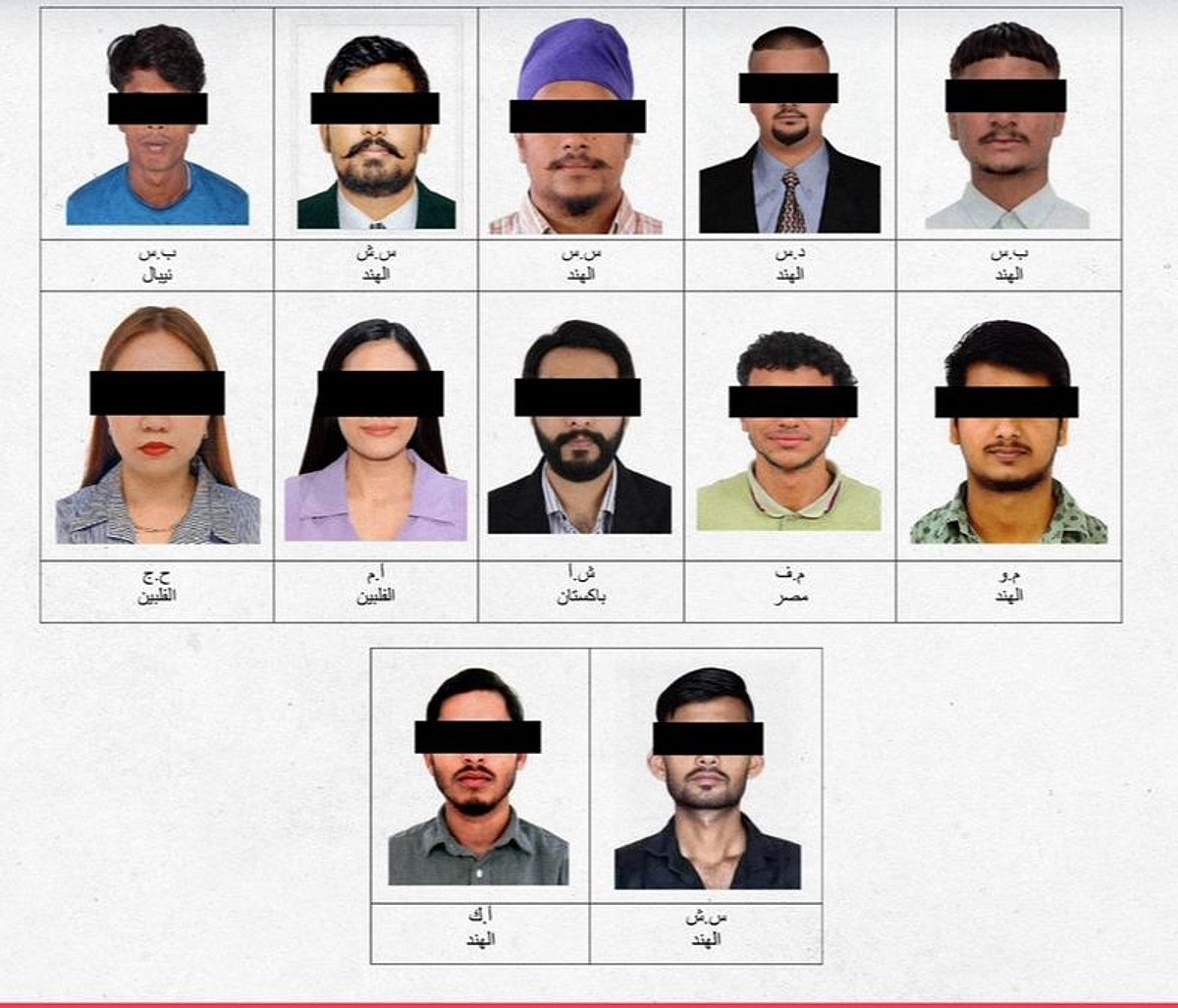
Dr. Hamad Saif Al Shamsi, the UAE’s Attorney-General, announced the first batch of 10 arrests on Saturday, March 14, followed by 25 more on Sunday, March 15. The arrests came after authorities monitored digital platforms during a period of heightened regional tensions and identified what they described as coordinated patterns of harmful content being widely shared online.
According to officials, those detained were accused of publishing video clips containing misleading and fabricated content that allegedly harmed national defense measures and glorified acts of military aggression against the UAE. The content included a mix of authentic footage of air defense systems intercepting attacks, as well as AI-generated material falsely suggesting explosions and strikes on prominent landmarks.
The 25 individuals arrested in the second wave were categorized into three distinct groups based on their alleged violations. The first group of 12 people, including nationals from Nepal, India, the Philippines, Pakistan, and Egypt, allegedly published authentic video clips showing missile interceptions in UAE airspace. Authorities claim these individuals added commentary and sound effects suggesting active aggression, potentially inciting public anxiety and exposing the country’s defensive capabilities.
The second group, comprising seven individuals primarily from South Asian countries, was accused of publishing AI-fabricated content showing synthetic scenes of explosions and missiles. These clips often featured national flags or specific dates to lend false credibility to the material.
The third group of six people allegedly published content glorifying what UAE authorities described as a “hostile state” and its political and military leadership, promoting its regional military actions as achievements. Officials said this included praising the leadership of that state and recirculating propaganda that serves hostile media discourse.
In a separate but related action, the Criminal Investigation Directorate at Abu Dhabi Police detained 45 additional individuals of various nationalities for filming locations during ongoing incidents and publishing the footage online alongside inaccurate information. Police stated that these posts could provoke public concern and spread rumors within the community.
“Publishing such clips, whether real or fabricated, could affect public security and create confusion, in addition to providing hostile media with material that could be used to distort facts, undermine confidence in the competent authorities and potentially reveal aspects of the country’s defensive capabilities,” the Attorney-General explained in a statement.
The legal consequences for these actions are severe. Under UAE law, the offenses carry a prison sentence of no less than one year and a fine of at least 100,000 dirhams (approximately $27,000). The Public Prosecution has ordered all 35 defendants remanded in custody and referred to expedited trial.
This crackdown represents one of the most significant actions against digital misinformation in the UAE in recent years. It reflects the government’s growing concern about the impact of social media during sensitive security situations, particularly as regional tensions in the Middle East continue to escalate.
The UAE authorities have been warning against filming and circulating incidents related to the conflict since the early days of what they term “Iranian aggression” against the country. Dr. Al Shamsi emphasized that “the competent authorities will continue to monitor such practices and take firm legal action against those responsible,” adding that the Public Prosecution “will not tolerate any attempt to exploit cyberspace or modern technologies to spread misleading information or fabricated content that affects the security of the state or disturbs public order.”
The arrests highlight the delicate balance between security concerns and information sharing during times of conflict, as well as the growing challenge of combating AI-generated misinformation that can rapidly spread across borders through social media channels.
Fact Checker
Verify the accuracy of this article using The Disinformation Commission analysis and real-time sources.

10 Comments
Spreading misinformation that could harm national defense is a serious offense. I’m curious to learn more about the specific charges and potential consequences the arrested individuals are facing.
The use of AI-generated content to create false narratives is very concerning. I wonder if the authorities have identified any links between the arrested individuals and foreign actors or organizations seeking to destabilize the region.
Yes, the potential involvement of foreign entities is worrying. Robust international cooperation may be needed to fully understand and address the scope of this issue.
It’s good to see the UAE taking a strong stance against the spread of harmful misinformation. Maintaining public trust and security is critical, especially during heightened regional tensions. I hope these arrests serve as a deterrent for others considering similar activities.
It’s important for governments to take decisive action against the spread of digital misinformation, especially when it involves sensitive security matters. I hope these arrests send a strong message and deter future attempts to undermine public trust and national security.
Coordinated online campaigns to undermine national defense are a serious threat. I’m curious to learn more about the specific tactics and narratives these arrested individuals were pushing. Transparent investigations into digital misinformation are important.
Interesting that the UAE is cracking down on digital misinformation. Spreading false claims about military actions can be quite dangerous and undermine national security. I wonder what specific content was being shared that prompted these arrests.
Yes, it’s concerning how easily misinformation can spread online, especially around sensitive security issues. Glad to see the authorities taking action to address this problem.
The use of AI-generated content to spread disinformation is a worrying trend. I hope the authorities are able to identify the source of these misleading videos and take appropriate legal action.
Agreed, the combination of authentic footage and fabricated content is a concerning tactic. Fact-checking and media literacy are crucial to combat this kind of manipulation.