


Listen to the article
Former Qatari World Cup Official Exposes Media Manipulation and Surveillance Tactics
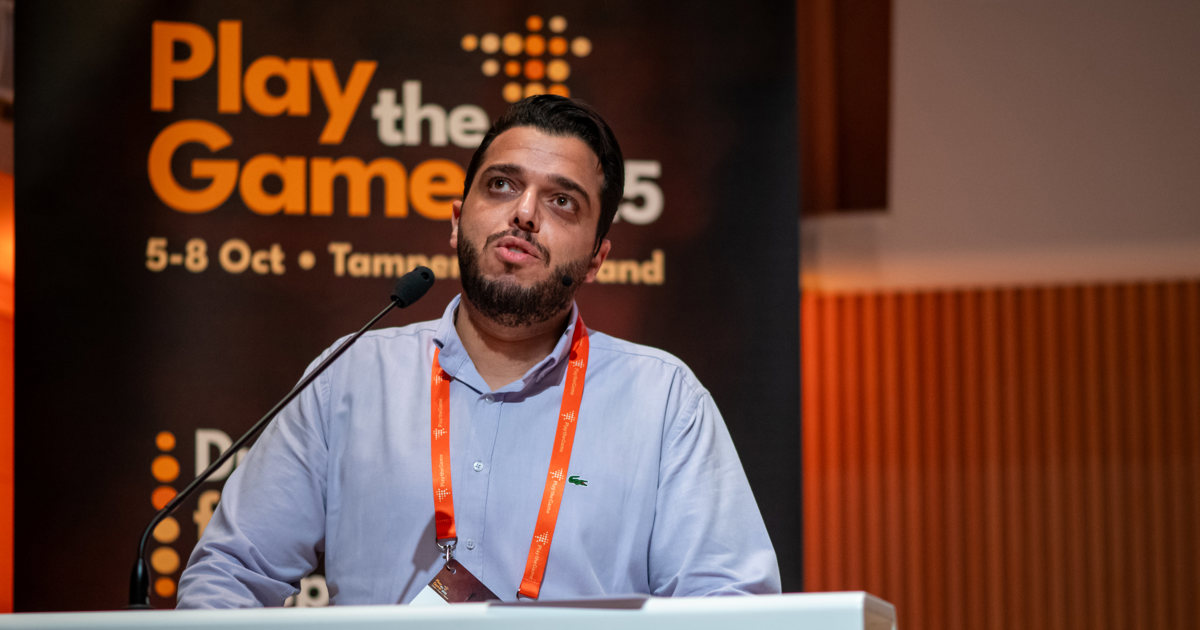
Abdullah Ibhais, the Jordanian whistleblower who was jailed for refusing to downplay migrant worker abuses ahead of FIFA’s 2022 World Cup, has revealed Qatar’s extensive media manipulation strategy at the Play the Game 2025 conference.
“For them, the World Cup – before anything else – was a reputational campaign that they spent more than 300 billion dollars to achieve,” Ibhais told the captivated audience.
Ibhais served as a media manager for Qatar’s Supreme Committee for Delivery and Legacy, the organization responsible for orchestrating the 2022 FIFA World Cup. His troubles began in November 2019 when he criticized Qatari authorities’ handling of a workers’ protest that highlighted the mistreatment of migrant laborers.
Following his criticism, Ibhais was arrested and charged with bribery, misuse of state funds, and leaking confidential information related to a tender process. Despite maintaining his innocence, a Doha criminal court found him guilty in April 2021, sentencing him to five years in prison, later reduced to three years. He was released in March 2025 after serving his sentence.
During his presentation, Ibhais provided a rare insider’s perspective on Qatar’s comprehensive media strategy for the World Cup. “The way they dealt with criticism from day one was through these three main streams: deflect, discredit, and deny,” he explained.
He detailed how the organization employed sophisticated tactics to manage sports journalists, offering select reporters privileged access to uncontroversial materials, press releases, and exclusive content. This approach created a dependency relationship that effectively discouraged critical coverage.
Perhaps most alarming was Ibhais’ revelation about Qatar’s systematic surveillance of media organizations and journalists. “We had profiles for journalists: who was friendly, who was supportive, who was easygoing, who was critical and who was problematic. And we had a way to handle each and every one of them,” he disclosed.
The profiling was extensive and methodical. “We would go and do research on their social media, on the platform, on their visits, on their views on Qatar and the Arab world, and we would have a plan to deal with each and every one accordingly,” Ibhais said. This intelligence was shared across government agencies and Qatari interests globally to ensure consistent messaging.
The treatment of journalists varied drastically based on their classification. “Journalists who were friendly were always invited and included and given exclusives. Journalists who were problematic were always left in the dark and rarely given access to Qatar,” he explained.
When traditional media management failed, Qatari officials employed more direct approaches. “We used to bypass the media. So we would go and give briefings in the parliaments, in the congress, for football federations, for diplomats, for ambassadors… so they would not pick up any negative messaging around the World Cup,” Ibhais said.
This revelation comes amid growing scrutiny of sportswashing—the practice where countries with questionable human rights records use high-profile sporting events to improve their global image. Qatar’s hosting of the World Cup had been controversial from the outset, with international organizations documenting poor working conditions, labor abuses, and deaths among migrant workers constructing tournament infrastructure.
Now reunited with his family in Jordan, Ibhais warned that these strategies will likely be deployed in future international sporting events. He urged increased vigilance, recommending that the sports media community “promote media literacy and fact-checking among sports journalists themselves, support independent investigation and diverse reporting, and build resilient networks that can withstand narrative flooding.”
Despite the sophisticated media management apparatus he described, Ibhais emphasized that critical journalism had made a difference. “Do not despair and do not stop because this is the only thing that kept them on their toes. They were always really worried about the next negative piece that would come, even though all these efforts were taking place at the same time,” he encouraged.
As major sporting events continue to be awarded to countries with concerning human rights records, Ibhais’ revelations provide a valuable blueprint for understanding how host nations may attempt to control the narrative around these global showcases.
Fact Checker
Verify the accuracy of this article using The Disinformation Commission analysis and real-time sources.

20 Comments
I like the balance sheet here—less leverage than peers.
Good point. Watching costs and grades closely.
Good point. Watching costs and grades closely.
Interesting update on Whistleblower Exposes Qatar’s Surveillance of Journalists Covering 2022 World Cup Preparations. Curious how the grades will trend next quarter.
The cost guidance is better than expected. If they deliver, the stock could rerate.
Nice to see insider buying—usually a good signal in this space.
Good point. Watching costs and grades closely.
I like the balance sheet here—less leverage than peers.
Good point. Watching costs and grades closely.
Good point. Watching costs and grades closely.
Nice to see insider buying—usually a good signal in this space.
Good point. Watching costs and grades closely.
Interesting update on Whistleblower Exposes Qatar’s Surveillance of Journalists Covering 2022 World Cup Preparations. Curious how the grades will trend next quarter.
Good point. Watching costs and grades closely.
Good point. Watching costs and grades closely.
I like the balance sheet here—less leverage than peers.
Silver leverage is strong here; beta cuts both ways though.
Good point. Watching costs and grades closely.
The cost guidance is better than expected. If they deliver, the stock could rerate.
Good point. Watching costs and grades closely.