


Listen to the article
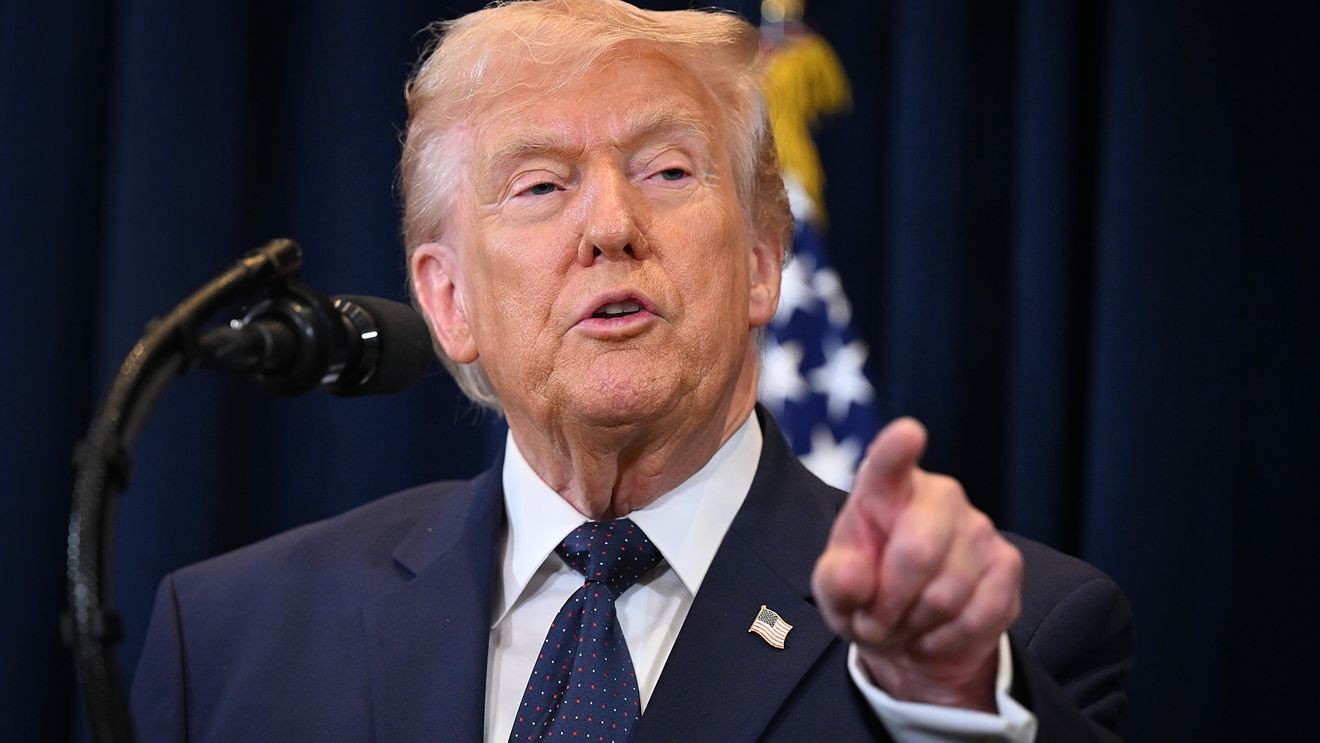
President Trump escalated his criticism of American news media Monday, suggesting the Federal Communications Commission (FCC) should review the licenses of news organizations and accusing Iran of being a “master of media manipulation.”
The remarks came during a period of heightened tension between the administration and mainstream media outlets, which Trump has repeatedly labeled as “fake news” throughout his presidency. This latest statement represents one of his most direct challenges to press freedoms since taking office.
“The FCC should examine the licenses of certain news networks that consistently report false information,” Trump said during a campaign stop in Pennsylvania. “We need accountability in our media, not propaganda.”
Communications experts and First Amendment advocates immediately raised concerns about the constitutional implications of such a review. The FCC, an independent government agency, oversees broadcast licenses but has traditionally maintained a hands-off approach regarding content decisions, except in cases involving obscenity or other specific violations.
Former FCC Commissioner Michael Copps called the president’s statement “deeply troubling” and noted that license challenges based on news content would represent a significant departure from established regulatory precedent. “The commission isn’t supposed to function as a political arm of any administration,” Copps said.
The White House later attempted to clarify the president’s remarks, with Press Secretary Kayleigh McEnany stating that Trump was expressing frustration with “demonstrably false reporting” rather than calling for specific regulatory action. However, this explanation did little to quell concerns among media organizations and civil liberties groups.
In the same speech, Trump turned his attention to Iran, accusing the country of being a “master of media manipulation” that has successfully influenced American news coverage of Middle East affairs. He specifically referenced recent reporting on Iranian nuclear capabilities and regional military activities.
“They’ve figured out how to play our media like a fiddle,” Trump claimed. “Stories about their nuclear program get buried while every minor action we take gets scrutinized.”
International relations experts note that the timing of Trump’s comments coincides with increased diplomatic tensions between Washington and Tehran. The Biden administration recently reimposed certain sanctions that had been lifted under the previous nuclear agreement, while Iran has announced plans to increase uranium enrichment activities.
“The president is attempting to control the narrative on Iran by discrediting media coverage that doesn’t align with his administration’s stance,” said Dr. Suzanne Maloney, a Middle East policy expert at the Brookings Institution. “It’s a concerning pattern of attempting to delegitimize both domestic media and international perspectives that don’t support his policy positions.”
Media watchdog organizations quickly condemned Trump’s statements. The Committee to Protect Journalists called the licensing remarks “a clear threat to press freedom” and noted that similar rhetoric has been used by authoritarian regimes to justify media crackdowns.
“When a president suggests using regulatory powers to target news organizations, it creates a chilling effect throughout the industry,” said Alexandra Ellerbeck, North America program coordinator for the Committee to Protect Journalists. “This type of language undermines public trust in journalism at a time when independent reporting is essential.”
The controversy highlights ongoing tensions between the administration and news media that have characterized much of Trump’s political career. Throughout his first term and current campaign, Trump has frequently attacked journalists and news organizations, particularly those whose coverage he views as unfavorable.
Legal experts point out that any attempt to use the FCC to target specific news outlets would likely face significant court challenges. The Supreme Court has consistently upheld broad First Amendment protections for news organizations, particularly regarding political speech and coverage of public officials.
As the presidential campaign intensifies, observers expect Trump’s media criticism to remain a central theme of his messaging strategy, particularly when addressing his political base, which has demonstrated receptiveness to his “fake news” narrative in past elections.
Fact Checker
Verify the accuracy of this article using The Disinformation Commission analysis and real-time sources.

7 Comments
While the media landscape is complex, with valid concerns about bias and accuracy, the solution is not government interference in licensing. Rigorous journalistic standards, not political retribution, should be the focus.
Concerns about media bias and manipulation are understandable, but reviewing broadcast licenses based on content would set a worrying precedent. The FCC must remain impartial and uphold the principles of a free press.
Exactly. Maintaining the independence and integrity of regulatory bodies like the FCC is crucial to protecting democratic institutions.
This latest threat against media outlets is a disturbing escalation in the administration’s ongoing feud with the press. Undermining the freedom of the media is a hallmark of authoritarian regimes, not democracies.
Trump’s criticisms of ‘media manipulation’ seem hypocritical coming from someone who frequently shares misinformation on social media. A free and independent press is essential for a healthy democracy.
I agree. Attempts to undermine media credibility and freedom of the press are deeply troubling, regardless of political affiliation.
This is a concerning development for press freedoms. The FCC should maintain its independence and avoid political interference in licensing decisions. Calls to review licenses based on perceived bias or ‘fake news’ would set a dangerous precedent.