


Listen to the article
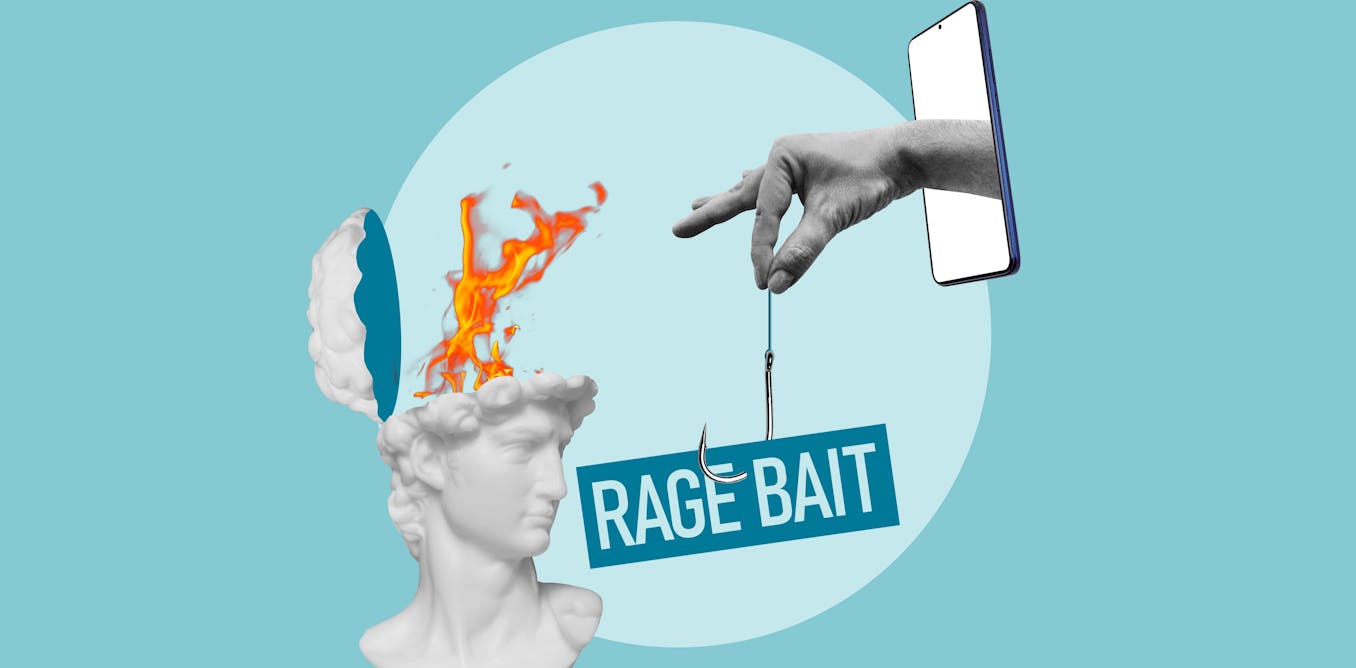
In a notable linguistic development, Oxford University Press has declared “rage bait” as the word of the year, defining it as social media content deliberately crafted to provoke strong negative reactions from users.
This recognition highlights a growing trend in digital media strategy that may seem counterintuitive at first glance. Content creators are increasingly designing posts to antagonize audiences, not despite the negative reactions they generate, but precisely because of them.
The financial incentive behind this approach is clear: social media influencers earn revenue based on engagement metrics rather than positive sentiment. A controversial post that draws thousands of angry comments can be more profitable than one receiving moderate positive feedback but fewer interactions overall.
Social media algorithms further reinforce this behavior by prioritizing content that generates engagement of any kind. These systems don’t distinguish between positive and negative reactions when determining what to show users, instead learning from all interactions to serve similar content in the future.
The effectiveness of rage bait stems partly from fundamental aspects of human psychology. Research indicates that negative emotions, particularly anger, propagate more rapidly and intensely through social networks than positive ones. This phenomenon reflects our evolutionary heritage – a negativity bias that primes us to pay special attention to potential threats or social conflict.
“From an evolutionary perspective, anger signals that action is required to address a problem, while happiness suggests everything is fine,” explained researchers studying this trend. “We’re naturally attuned to information that indicates potential threats within our social groups.”
The global reach of social media has significantly amplified this effect. Whereas our ancestors might have only needed to monitor threats within their immediate community, today’s connected world exposes us to potential sources of outrage from across the globe, creating far more opportunities for rage to reach us.
Social psychology research has identified another concerning dynamic: people tend to quickly align with others against a common target of negative emotion. This provides a sense of community and safety in numbers – with the rage bait creator serving as a convenient “villain” for the audience to unite against.
The constant availability of social media has exacerbated these issues. Unlike previous eras when people could take breaks from sources of anger, today’s always-on connectivity means there’s rarely time to reflect and cool down before encountering the next provocation.
Experts suggest several strategies for dealing with rage bait effectively. Understanding the profit motivation behind these posts is crucial, as it helps users recognize when they’re being manipulated for financial gain. Viewing content creators as performers seeking attention rather than individuals expressing genuine beliefs can also help maintain emotional distance.
A 2020 study demonstrated that educating people about media manipulation techniques significantly enhanced their ability to resist such tactics. “Think of these posters as actors playing characters driven more by a desire for notoriety than by personal conviction,” suggested media literacy experts.
The most powerful tool available to users is selective engagement. Social media algorithms respond to user behavior, so consistently avoiding interaction with rage-inducing content gradually reduces its appearance in one’s feed. Unlike traditional broadcast media, social platforms offer users the ability to shape their experience through conscious choices about what content they engage with.
Despite the concerning spread of rage bait, recent research offers reasons for optimism. Studies suggest that prompting people to reflect before responding to provocative content can significantly reduce its impact. The public nature of social media interactions also enables researchers to better understand these phenomena and develop effective countermeasures.
As social media continues to evolve, understanding the mechanics behind rage bait represents an important step toward helping users maintain control over their digital experiences and emotional well-being in an increasingly connected world.
Fact Checker
Verify the accuracy of this article using The Disinformation Commission analysis and real-time sources.

13 Comments
The recognition of ‘rage bait’ as the word of the year is a sobering reflection of the current state of social media. It’s deeply concerning that content creators are actively incentivized to produce antagonistic material. We need to fundamentally rethink how these platforms operate.
The ‘rage bait’ phenomenon is a concerning development. While I understand the business rationale, I worry about the societal impact of this content. We need to find ways to encourage more constructive and less divisive online discourse.
The psychology behind rage bait is fascinating but concerning. Deliberately antagonizing users to drive engagement is a disturbing strategy, even if it is profitable in the short term. I hope we can find ways to steer social media in a more constructive direction.
As someone who uses social media, I’ve noticed this trend of inflammatory content. It’s troubling to learn that the algorithms actively reinforce it. We need to rethink how these platforms are designed to incentivize more civil and nuanced discourse.
I agree completely. The current system is broken and prioritizes outrage over meaningful exchange of ideas. Fundamental changes are needed to realign social media with the public good rather than just maximizing engagement.
This article provides valuable insight into the dynamics behind inflammatory social media content. The profit incentives and algorithmic prioritization of engagement over sentiment are deeply problematic. I hope we can work towards reforming these platforms to better serve the public interest.
Well said. The current system is clearly flawed and promoting unhealthy behaviors. Meaningful reform is needed to realign social media with constructive discourse and the public good, rather than just maximizing profits through outrage.
I agree, the profit motive has led social media platforms down an extremely troubling path. Addressing these issues will require significant changes to the underlying business models and algorithmic design. It’s an important challenge that needs to be tackled head-on.
Interesting insights into the psychology behind inflammatory social media content. It’s concerning that algorithms prioritize engagement over sentiment, incentivizing creators to produce divisive ‘rage bait’ for profit. We need to rethink how these platforms are designed.
Absolutely. The profit motive is warping social media in troubling ways, prioritizing outrage and conflict over nuanced discussion. Reforms are needed to realign these platforms with the public interest.
So ‘rage bait’ is the word of the year – that says a lot about the current state of social media. It’s a shame that financial incentives have led to the spread of deliberately antagonistic content. We need to find ways to reward more constructive online discourse.
This is a worrying trend. While I understand the business incentives, I’m concerned about the societal impact of optimizing for outrage and negativity on social media. We should explore ways to realign these platforms with the public good, not just profits.
Agreed. The current model is clearly problematic and erodes meaningful discourse. Reforms are needed to incentivize more positive and constructive content, not just maximizing engagement at any cost.