


Listen to the article
The rise of social media and technology platforms has dramatically transformed how financial information flows through markets, creating both unprecedented access and new risks for manipulation, according to financial researchers Erhan Kilincarslan and Jiafan Li. Their analysis warns that younger generations’ reliance on digital influencers for investment advice may be opening doors to sophisticated manipulation strategies.
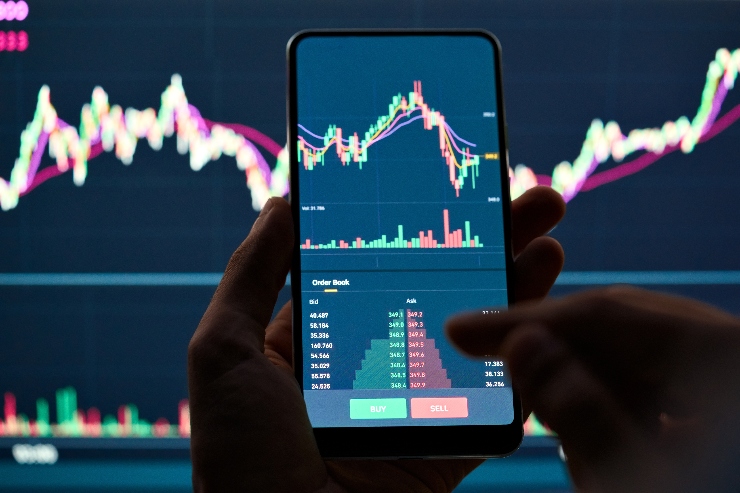
Stock market technologies have evolved significantly across generations. While Gen X witnessed traders checking ticker tape and using telephone orders in the 1970s and 1980s, Gen Y experienced the transition to electronic trading with the growth of the internet in the 1990s and 2000s. Now, Gen Z trades with a simple screen touch in the era of ChatGPT and mobile apps.
Yet despite technological advancements since the establishment of Amsterdam’s first stock exchange in 1602, market manipulation remains a persistent challenge. What has changed are the channels through which misinformation spreads, with social media and technological innovations presenting new vulnerabilities.
Social media platforms have become critical information sources for investors. According to UK media watchdog Ofcom, individuals from Generations X, Y, and Z spend an average of 151 minutes daily on social media for socializing and accessing news, with Gen Z showing particularly high engagement.
Different generations approach investment information through distinct channels. Gen X and Y often turn to copy trading platforms where they can replicate the trades of more experienced investors in real-time. After ChatGPT’s 2023 launch, trading activity in AI stocks increased 60 percent among investors over 55 years old. Meanwhile, Gen Z primarily seeks financial advice through TikTok and Instagram.
This shift creates significant risks, especially for those lacking financial literacy. The researchers note that inexperienced investors can be easily drawn to “fantasy worlds” promoted by influencers whose credentials and intentions may be questionable, particularly when dispensing advice on high-risk investments like cryptocurrency.
“The passion and worship of Gen X, Y and Z towards influencers or gurus may lead to new potential manipulation strategies,” the researchers warn. Regulators are already responding – in 2022, the SEC charged eight social media influencers with participating in a $100 million stock manipulation scheme conducted through Discord and Twitter.
The scale of this potential problem is massive. Global influencer marketing spending reached $38.08 billion in 2023, targeting nearly 4.9 billion social media users worldwide – a number projected to grow to 5.85 billion by 2027. This expanding influence creates more opportunities for hidden manipulation tactics.
Even major corporations are leveraging these channels. Shell reportedly allocated $270 million in 2023 toward online games and social media influencers to promote traditional fuels among driving-age Gen Z individuals, potentially influencing public perception of climate change and stabilizing share prices. The researchers note that regulatory oversight has not kept pace with these developments.
Technological advancement represents another dimension of the challenge. While trading barriers have fallen and commission-free platforms have democratized market access, these innovations also transfer risk to individual traders, often without adequate disclosure. Gen Y typically prefers traditional stock trading through platforms like Robinhood, while Gen Z gravitates toward cryptocurrency exchanges like Coinbase, seeking higher returns.
The UK Financial Conduct Authority has found that trading apps frequently push users toward riskier investments through notifications and promotional messages. AI systems can analyze users’ trading patterns and emotional responses, raising questions about how this data is being utilized and creating additional opportunities for market manipulation.
The researchers emphasize that while market access has never been easier, the responsibility for sound investment decisions remains with individuals. “Free and accessible information does not guarantee good investment and return, because there is no such thing as a free lunch,” they conclude, urging investors of all generations to exercise careful judgment when navigating today’s information-saturated financial landscape.
Fact Checker
Verify the accuracy of this article using The Disinformation Commission analysis and real-time sources.

11 Comments
This article highlights an important issue that needs more attention. While technological advancements have democratized access to financial markets, they’ve also opened the door to exploitation and manipulation. Safeguarding investors, especially the young and inexperienced, should be a key focus.
Agreed. The rapid pace of fintech innovation has outpaced the ability of regulators to keep up. Finding the right balance between promoting innovation and protecting consumers will be critical going forward.
The points raised in this article underscore the need for robust investor education and protection measures. While technological advancements have democratized finance, they’ve also exposed new vulnerabilities that bad actors can exploit. Careful oversight and proactive steps will be crucial.
This is a troubling trend that deserves more scrutiny. The democratization of finance through technology is a positive development, but it has also created new avenues for abuse. Striking the right balance between innovation and oversight will be a major challenge for policymakers.
Well said. Maintaining market integrity in the digital age requires a delicate balancing act. Regulators will need to stay nimble and work closely with the tech industry to address these evolving risks.
The shift towards social media and mobile trading apps is concerning from a market integrity standpoint. Regulators will need to closely monitor how emerging technologies are being leveraged for manipulation and fraud. Investor education will also be key to mitigating these risks.
This is a concerning trend that highlights the dark side of financial technology innovation. While the democratization of finance is positive, the increased risk of manipulation is troubling. Regulators will need to stay ahead of the curve to safeguard market integrity.
Absolutely. The speed and scale at which misinformation can spread on social media platforms poses a serious threat. Policymakers will need to work closely with the tech industry to develop effective solutions.
Interesting insights on how technology has transformed financial markets and enabled new manipulation tactics. It’s concerning to see how younger investors may be especially vulnerable to misinformation spread through digital channels. Maintaining transparency and protecting investors should be a top priority.
You’re right, the rise of social media and AI-powered platforms has created new challenges in ensuring market integrity. Regulators will need to stay vigilant and adapt their approach to address these evolving risks.
The article raises valid points about the risks posed by the convergence of technology, social media, and financial markets. While progress is inevitable, the potential for abuse and manipulation is concerning. Proactive measures to protect investors, especially younger generations, should be a top priority.