


Listen to the article
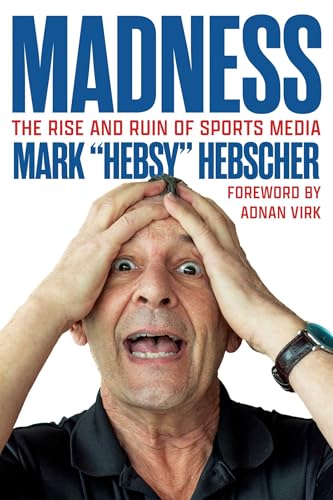
Veteran broadcaster Mark Hebscher examines the transformative journey of sports journalism in his latest book, delivering a comprehensive analysis that balances personal experience with critical industry insights.
Hebscher, known for his work as a “Sportsline” anchor and previous literary efforts including “The Greatest (Athlete You’ve Never Heard Of),” draws from his 45-year broadcasting career in Canada to craft a narrative that is both nostalgic and unflinchingly realistic about the evolution of sports media.
The book begins by exploring the early days of sports broadcasting, when radio announcers would vividly describe baseball games they weren’t actually attending – an early example of the media manipulation that would become increasingly sophisticated over the decades. This historical foundation allows readers to understand how current media practices evolved from questionable ethical beginnings.
Hebscher’s analysis shines when examining pivotal figures who shaped modern sports media. He dedicates significant attention to Howard Cosell, whose controversial persona and distinctive style helped transform “Monday Night Football” from a mere sporting event into a cultural phenomenon that transcended traditional sports audiences.
The rise and fall of “Sports Illustrated” serves as another compelling case study. Hebscher details how the magazine elevated sports journalism through its commitment to thoughtful, in-depth reporting before ultimately succumbing to industry pressures and cost-cutting measures that diminished its once-sterling reputation.
While Hebscher’s perspective is often tinged with nostalgia for journalism’s heyday, he avoids romanticizing the past. His critique extends equally to the sensationalism that characterized much of 20th-century reporting and the contemporary landscape dominated by provocative hot takes and algorithms that reward emotional engagement over substantive analysis.
Perhaps most valuable is Hebscher’s examination of how broader trends in journalism have impacted sports coverage specifically. The decimation of local newsrooms has eliminated crucial coverage of community athletics, while economic pressures have forced many outlets to prioritize celebrity athletes and major leagues at the expense of diverse stories and perspectives.
The book’s strongest sections connect sports media’s evolution to wider societal and technological shifts. Hebscher effectively demonstrates how the internet and social media have fundamentally altered not just how sports are covered, but also how athletes, teams, and leagues interact directly with fans – often bypassing traditional media entirely.
Throughout the work, Hebscher maintains a balanced perspective that acknowledges both gains and losses. Today’s sports fans enjoy unprecedented access to games, highlights, and information, but this comes at a cost: the decline of thoughtful analysis, investigative reporting, and the erosion of journalistic standards that once defined the industry.
His sobering conclusion – that we’re experiencing a golden age for sports consumption but a troubling decline for sports journalism – encapsulates the central tension of modern media. As artificial intelligence increasingly enters the content creation space, Hebscher warns of further challenges to authentic, human-centered storytelling.
The result is an engaging chronicle that will appeal to sports enthusiasts, media professionals, and anyone interested in how journalism has evolved in the digital age. Hebscher’s extensive experience provides credibility to his observations, while his clear-eyed assessment of where sports media has faltered offers valuable lessons for its potential future.
Published by ECW Press, the book will be available in November, providing readers with a timely examination of an industry at a critical crossroads.
Fact Checker
Verify the accuracy of this article using The Disinformation Commission analysis and real-time sources.

10 Comments
The historical foundation laid in exploring the early days of sports broadcasting sets the stage well for understanding how current media practices have evolved. I’m curious to see how Hebscher connects those questionable ethical beginnings to more recent controversies.
Examining the media manipulation tactics used even in the early days is a good reminder that these issues are not new, just more sophisticated today.
As someone with a deep passion for sports and a keen interest in media, I’m really looking forward to reading Hebscher’s analysis. His expertise and insider perspective should make for a compelling and enlightening read.
Fascinating look at the evolution of sports journalism. Hebscher’s insider perspective and historical insights should make for a compelling read. I’m curious to learn more about the ethical challenges the industry has faced over the decades.
The early days of radio announcers faking game coverage is quite an eye-opener. It shows how media manipulation has been an issue for a long time in this space.
The book’s examination of pivotal figures like Howard Cosell is intriguing. Cosell’s outsized personality and influence on transforming sports broadcasting into a cultural phenomenon is an important part of the industry’s history.
I’m looking forward to reading Hebscher’s take on Cosell and other key individuals who have shaped modern sports media.
Glad to see a veteran broadcaster like Hebscher taking a critical look at the evolution of sports journalism. His personal experiences and industry insights should provide a balanced and insightful perspective on the good, the bad, and the ugly.
The book’s focus on the transformative journey of sports journalism is timely, given the ongoing debates around media bias, sensationalism, and the evolving role of sports coverage in our society. Hebscher’s insights will be valuable for anyone interested in the past, present, and future of this dynamic industry.
Hebscher’s examination of the ethical challenges faced by the sports media industry over the decades should provide valuable context for understanding the current landscape.