


Listen to the article
The tenacious watchdog of American power continues his crusade in new documentary
In the recordings of Richard Nixon’s White House phone conversations, there is a moment when the US president reluctantly admits, “He may be a son of a bitch and all that, but he’s never wrong!” The object of Nixon’s grudging respect was Seymour Hersh, a towering figure in American investigative journalism whose influence continues to reverberate through newsrooms worldwide.
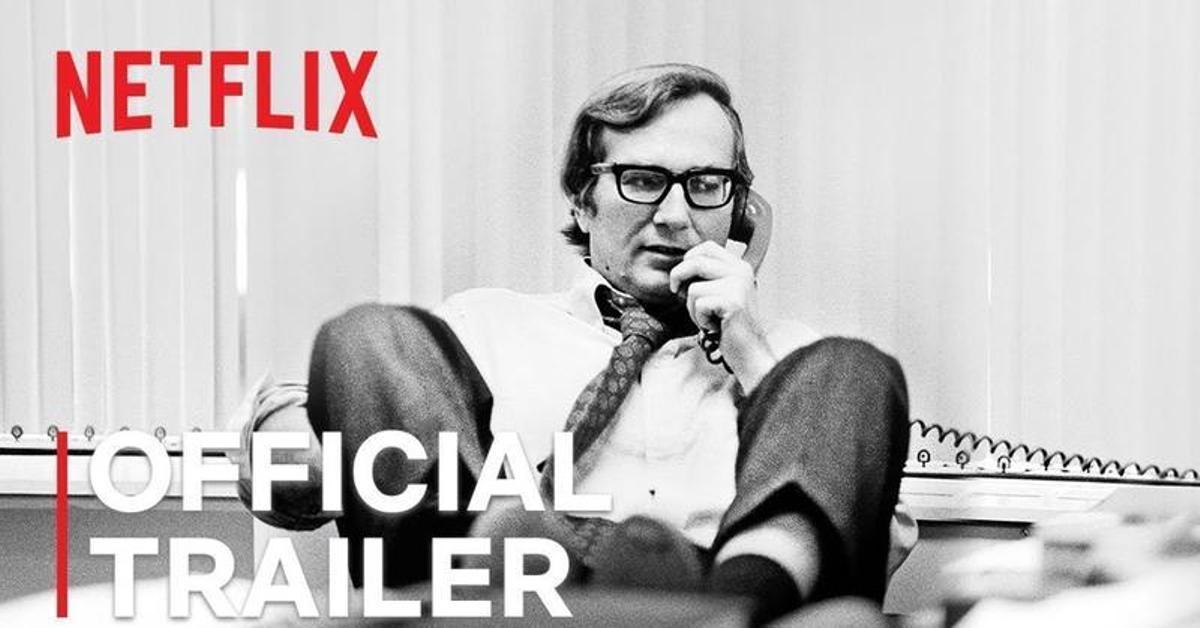
Netflix’s newly released documentary “Cover-up” offers viewers an intimate look at Hersh’s remarkable career, one defined by a relentless commitment to exposing government misconduct and holding power accountable regardless of the consequences.
Hersh’s journalistic legacy reads like a catalog of America’s most uncomfortable truths. He won the Pulitzer Prize for revealing the My Lai massacre in Vietnam, where US soldiers murdered hundreds of civilians while military leadership attempted to suppress the story. His investigative work played a critical role in uncovering the full dimensions of the Watergate scandal in the 1970s, which ultimately led to Nixon’s resignation.
Throughout his career, Hersh has consistently challenged official narratives. He documented the United States’ active role in General Augusto Pinochet’s violent coup in Chile, exposed US military chemical weapons testing, denounced media manipulation surrounding Iraq’s alleged weapons of mass destruction, and revealed that the Abu Ghraib torture scandal of 2004 wasn’t the work of a few rogue soldiers but rather government-sanctioned abuse.
The documentary, co-directed by Laura Poitras, doesn’t follow a typical chronological format. Instead, it offers a nuanced examination of Hersh’s journalistic methods and the impact of his most significant investigations. Poitras first proposed the project in 2005, but it took nearly two decades for Hersh to agree to participate.
“Cover-up” doesn’t shy away from portraying the more controversial aspects of Hersh’s personality. In one revealing scene, the now 88-year-old journalist becomes visibly angry when discovering that the documentary’s directors accessed names from his personal notes, despite having previously granted them permission to consult his archives.
The film portrays a more isolated Hersh in recent years, working with less institutional support than during his heyday at major publications like The New York Times. Yet despite operating in increasingly precarious and solitary conditions, Hersh maintains his signature energy and unwavering commitment to exposing war crimes, including his recent work covering the Gaza conflict.
Beyond profiling a journalistic legend, “Cover-up” serves as a reflection on the state of modern journalism itself. It highlights the contrast between Hersh’s approach—which demands time, commitment, and significant personal and professional sacrifices—and the current political, economic, and social pressures facing media organizations today.
The documentary captures the moral perspective that has guided Hersh throughout his career. In one poignant moment, when asked why he continues his work despite the obstacles and personal costs, Hersh responds with characteristic bluntness: “Because you can’t have a country that does all this.”
This response encapsulates Hersh’s view of journalism as not merely a profession but a civic duty—a necessary check against the abuse of power and government overreach. His career stands as a testament to the vital importance of a free press willing to question authority and pursue uncomfortable truths.
For viewers interested in journalism’s inner workings and the complex dynamics of power in American society, “Cover-up” offers a compelling examination of both. As traditional media outlets face declining resources and increasing political polarization, Hersh’s uncompromising approach to investigative reporting provides a powerful reminder of journalism’s essential role in a functioning democracy.
Fact Checker
Verify the accuracy of this article using The Disinformation Commission analysis and real-time sources.

12 Comments
Hersh’s career serves as a powerful reminder of the essential role journalism plays in a healthy democracy. Exposing government misconduct and pushing for transparency are crucial, even when it’s politically inconvenient.
Journalists who are willing to take on the establishment and challenge the status quo deserve our admiration and support. Their work benefits us all.
Investigative journalism that uncovers government misconduct is essential, even if it comes at a personal cost to the reporters involved. Hersh’s work demonstrates the power of relentless, principled reporting.
It’s troubling to see how government leaders try to suppress stories that expose their wrongdoing. Journalists must continue to push forward and fulfill their watchdog role.
This documentary highlights the lasting impact that courageous journalists like Seymour Hersh can have on society. Their commitment to uncovering the truth, no matter the consequences, is truly admirable.
While the media landscape has changed significantly, the core mission of journalism – to hold the powerful accountable – remains as important as ever.
This documentary seems like a timely reminder of the vital role journalism plays, especially in an era of increasing misinformation and attempts to erode public trust in the media. Hersh’s career is an inspiration.
While not all journalists may reach Hersh’s level of impact, their collective efforts to uncover the truth and shine a light on injustice are indispensable.
It’s concerning to see how government leadership often tries to suppress stories that expose their wrongdoing. Journalists like Hersh play a crucial part in ensuring the public has access to the full truth.
Even when facing backlash, principled journalists must persist in their mission to hold the powerful accountable. Their work is essential for a healthy, functioning democracy.
Journalism plays a vital watchdog role in society, holding power accountable and exposing uncomfortable truths. This documentary on Seymour Hersh’s remarkable career highlights the essential work of intrepid investigative reporters.
Hersh’s groundbreaking reporting on the My Lai massacre and Watergate scandal demonstrated the profound impact journalism can have in uncovering government misconduct.