


Listen to the article
NATO Experiment Reveals Ongoing Vulnerabilities in Social Media Platforms to Manipulation
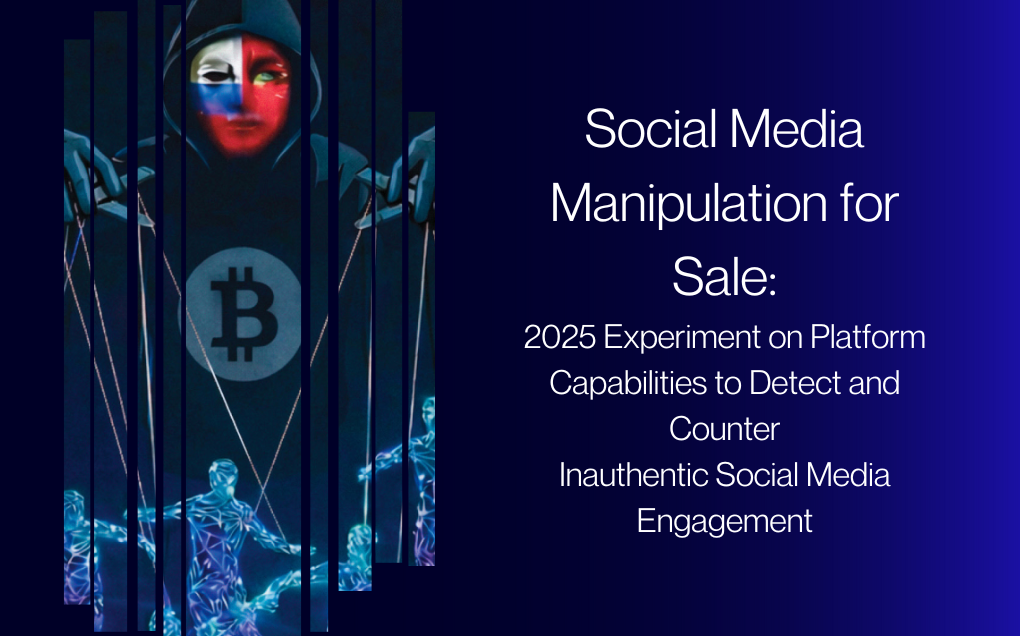
A groundbreaking NATO experiment has revealed alarming evidence that commercial entities continue to exploit vulnerabilities in social media platforms through inauthentic engagement tactics. The comprehensive study, released by NATO in 2025, offers the most detailed analysis to date of how paid manipulation services can circumvent security measures on major social media platforms.
The experiment tested various platforms’ abilities to detect and counter artificially generated engagement, including fake likes, shares, comments, and follower networks. Researchers purchased manipulation services from various vendors to assess how effectively platforms could identify and remove such inauthentic activity.
“What we found was concerning, though not entirely surprising,” said a NATO cybersecurity expert involved in the study. “Despite years of public promises to tackle manipulation, most platforms still struggle to distinguish between authentic user engagement and paid-for inauthentic activity.”
The study found that low-cost manipulation services, often starting at just a few dollars, successfully delivered likes, shares, and follows that remained active on platforms for weeks. In some cases, the artificial engagement persisted for the entire duration of the experiment.
Most concerning to security experts was the ease with which researchers could target specific demographic groups and geographic regions with manipulated content. This capability has significant implications for national security, especially in NATO member countries facing ongoing information warfare from hostile states.
“The ability to artificially amplify specific narratives to targeted audiences represents a clear threat to democratic discourse,” explained Dr. Maria Fernandez, an information security analyst who reviewed the findings. “When combined with sophisticated disinformation campaigns, these manipulation services can significantly distort public perception on critical issues.”
The experiment also revealed that while some platforms performed better than others at identifying inauthentic activity, none demonstrated consistent effectiveness across all tested metrics. Larger, more established platforms generally showed better detection capabilities than newer or smaller social media services.
Industry response to the NATO findings has been mixed. Several major platforms issued statements reaffirming their commitment to combating manipulation, with some pointing to recent improvements in their detection systems. However, critics argue that platforms have economic incentives to overlook some forms of inauthentic engagement since it can inflate user activity metrics important to advertisers.
“There’s an inherent conflict of interest,” noted tech policy expert James Chen. “Platforms benefit from high engagement numbers, which makes aggressive enforcement against fake engagement a potential threat to their business model.”
The NATO experiment also highlighted the global nature of the manipulation services market. Many providers operate from jurisdictions with limited regulatory oversight, making legal enforcement challenging. Services frequently rebrand or relocate when facing increased scrutiny, creating a persistent “whack-a-mole” problem for authorities.
For consumers and businesses, the findings raise important questions about the reliability of social media metrics. Marketing professionals in particular should exercise caution when evaluating influence based solely on follower counts or engagement rates, as these can be artificially manipulated at relatively low cost.
NATO has used the experiment results to develop new training programs for member nations on identifying and responding to coordinated inauthentic behavior on social media. The alliance plans to share technical indicators with platform operators to improve detection capabilities.
“This isn’t just about fake likes or follows,” concluded the NATO report. “It’s about protecting the integrity of public discourse in democratic societies. When malicious actors can artificially amplify certain viewpoints, it undermines the fundamental premise of open debate.”
The full findings and technical details of the experiment are available to security researchers and platform operators through NATO’s cybersecurity cooperation framework.
Fact Checker
Verify the accuracy of this article using The Disinformation Commission analysis and real-time sources.

24 Comments
I’m curious to see the full details of this NATO study. Analyzing the scale and methods used by vendors to bypass platform security measures could yield valuable insights.
Absolutely. Understanding the specific techniques that allow inauthentic activity to proliferate is key to developing more robust counter-measures.
Tackling paid manipulation is crucial, but the underlying incentives also need to be addressed. Platforms’ business models often reward engagement regardless of authenticity.
Good point. Realigning platform incentives to prioritize genuine user interactions is essential to curbing the proliferation of inauthentic activity.
While disappointing, this NATO experiment underscores the need for ongoing vigilance and innovation in the fight against social media manipulation. There’s still much work to be done.
Agreed. This is a complex, ever-evolving challenge that will require a sustained, multi-faceted effort from platforms, researchers, and policymakers.
While discouraging, I’m hopeful this NATO experiment will spur more robust industry standards and best practices for detecting and removing paid manipulation.
Yes, clear guidelines and shared accountability could be a game-changer in the fight against inauthentic engagement on social media platforms.
While disappointing, this NATO experiment highlights an ongoing arms race between platforms and bad actors. Continued innovation and vigilance will be required to stay ahead of the curve.
Definitely. Platforms must continually adapt their detection algorithms and invest heavily in this area to maintain the integrity of their networks.
While disappointing, I’m not surprised platforms continue struggling with this issue. Identifying and removing paid engagement at scale is an immense technical challenge.
True, but platforms must make this a top priority. Public trust and the integrity of online discourse depend on their ability to curtail manipulation.
This study underscores the need for greater transparency and accountability from social media companies. Platforms should publicly report on their anti-manipulation efforts and results.
Exactly. Increased disclosure would allow independent scrutiny and help drive more effective solutions to combat inauthentic engagement.
This is a sobering reminder that the battle against manipulation on social media is far from won. Platforms must remain vigilant and committed to this critical issue.
Absolutely. The stakes are high, as inauthentic engagement can distort public discourse and undermine democratic processes. Platforms must rise to the challenge.
This study is a wake-up call for social media companies. They must prioritize user authenticity and transparency, even if it comes at the expense of short-term engagement metrics.
Exactly. Platforms need to put the integrity of their networks ahead of growth at all costs. Maintaining public trust should be the top priority.
I’m glad NATO is taking this issue seriously and conducting such a comprehensive analysis. Inauthentic engagement is a threat to democratic discourse that can’t be ignored.
Definitely. This study provides a crucial foundation for developing more effective solutions to combat manipulation and strengthen the online information ecosystem.
I hope this NATO study will spur greater coordination and information-sharing among platforms, researchers, and policymakers to develop more effective solutions.
Agreed. A collaborative, multi-stakeholder approach is essential to combating the complex challenge of inauthentic engagement on social media.
This is an important experiment to shed light on the ongoing challenges platforms face in combating inauthentic engagement. It’s crucial they continue improving their detection capabilities to maintain integrity.
Agreed. Paid manipulation services remain a major vulnerability that platforms must address to uphold authenticity and transparency on their networks.