


Listen to the article
In the wake of French President Emmanuel Macron’s announcement that France intends to recognize a Palestinian state, analysts are questioning the feasibility and legitimacy of such a move amid the complex geopolitical reality of the Israeli-Palestinian conflict.
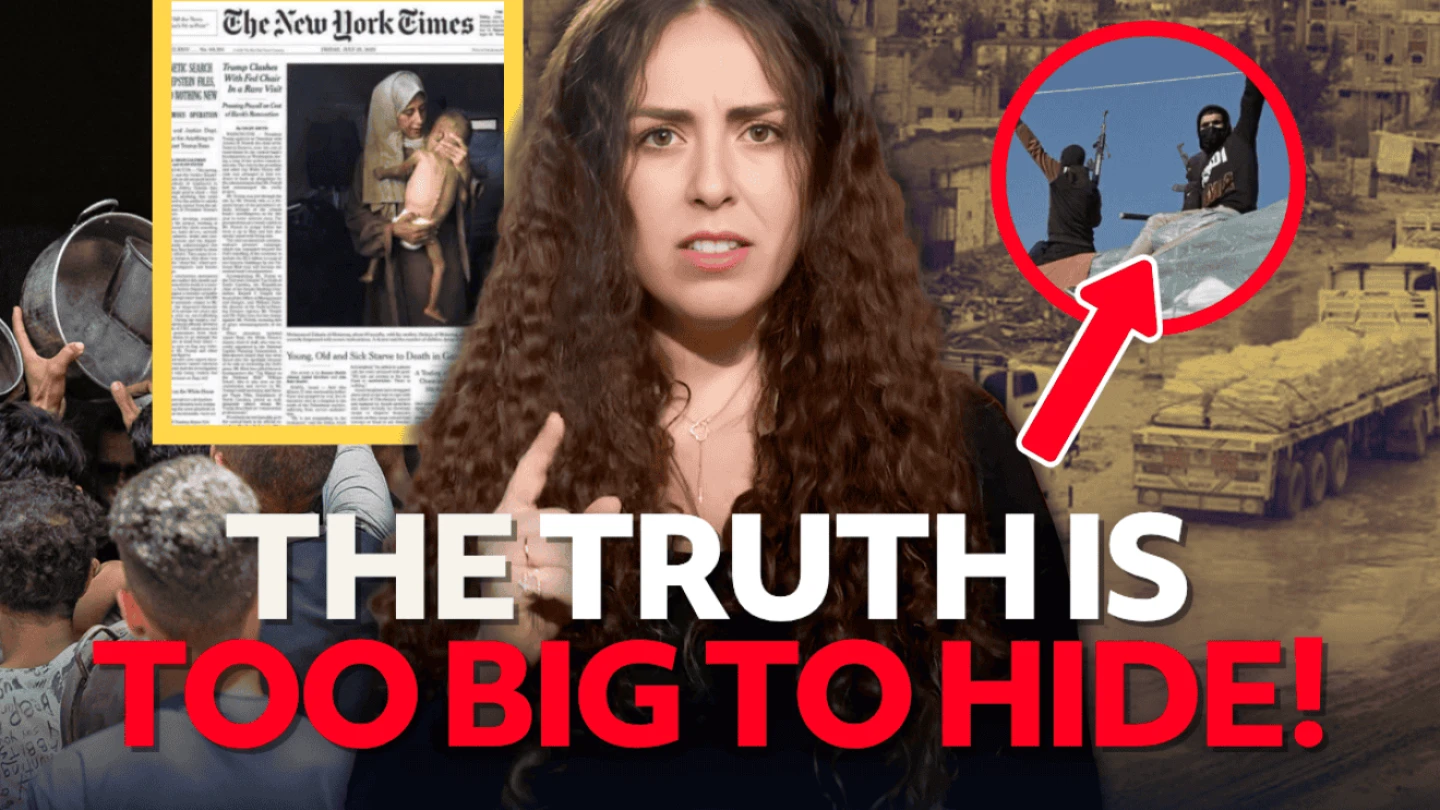
Political commentator Meira has emerged as a vocal critic of Macron’s stance, arguing that recognition of a Palestinian state under current circumstances lacks legitimate foundation. Her analysis suggests that Western media outlets and Qatari influence play outsized roles in shaping global narratives around the Israeli-Palestinian issue, potentially distorting international policy decisions.
“What we’re witnessing is a form of narrative warfare,” Meira explained during a recent broadcast. “The global perception of Israel is being manipulated through coordinated media campaigns that often ignore historical context and current security concerns.”
The discussion around Palestinian statehood has intensified focus on Judea and Samaria, areas commonly referred to as the West Bank. These territories represent the geographical heart of the debate, with questions surrounding Israeli sovereignty and settlement policies remaining contentious on the international stage.
Israel maintains that these areas hold deep historical and security significance. Critics of Palestinian statehood initiatives point to governance concerns, noting the current division between the Palestinian Authority in the West Bank and Hamas in Gaza as evidence of institutional challenges that would complicate state formation.
Media influence on public opinion has emerged as a crucial battleground in this conflict. Observers note that coverage often follows predictable narratives that can simplify the complex historical and security dimensions of the situation. This media framing, according to some analysts, contributes to policy decisions that may not reflect the full complexity of regional dynamics.
The involvement of prominent Western commentators in the debate has added another layer of complexity. Figures from across the political spectrum have weighed in, with some conservative voices like Tucker Carlson and Candace Owens adopting positions that Israeli advocates find concerning. Their participation illustrates how the Israeli-Palestinian conflict transcends traditional political alignments in Western discourse.
Simultaneously, Europe faces its own internal challenges related to immigration and religious integration. Some analysts have drawn connections between European policies toward Israel and domestic concerns about the rise of radical Islam within European borders. This intersection of foreign and domestic policy considerations complicates the diplomatic landscape.
“European leaders like Macron are navigating complex domestic politics while making statements about the Middle East,” said Dr. Avraham Cohen, a political scientist specializing in European-Middle Eastern relations. “These statements often reflect internal political calculations as much as they do principled foreign policy positions.”
The debate surrounding Palestinian statehood also raises questions about international law and sovereignty principles. Supporters of Palestinian statehood cite numerous UN resolutions and the right to self-determination, while Israel’s defenders point to security concerns, historical claims, and the absence of stable Palestinian governance structures.
Regional dynamics further complicate the picture. Iranian influence, the Abraham Accords normalizing relations between Israel and several Arab states, and ongoing security threats from militant groups all factor into the broader context surrounding discussions of Palestinian statehood.
As international pressure mounts regarding the future of the Palestinian territories, Israel faces difficult decisions about how to address both security requirements and diplomatic considerations. The current conflict in Gaza following the October 7th Hamas attacks has intensified scrutiny of Israeli policies while also highlighting the security threats the country faces.
Analysts suggest that any viable path forward will require addressing fundamental issues including security arrangements, governance structures, economic development, and the status of Jerusalem – challenges that have frustrated previous peace efforts for decades.
Fact Checker
Verify the accuracy of this article using The Disinformation Commission analysis and real-time sources.

9 Comments
The debate around Palestinian statehood highlights the need for a balanced, nuanced approach that considers the full historical and security context. Simplistic narratives often obscure the complexities involved. I hope the international community can work towards a just and lasting peace in the region.
While the desire for Palestinian statehood is understandable, unilateral recognition without a comprehensive peace agreement seems premature and potentially counterproductive. I hope the international community can facilitate constructive dialogue and negotiation between the parties involved.
It’s encouraging to see efforts towards resolving the Israeli-Palestinian conflict, but I share the concerns about the potential for media manipulation and distortion of the facts. Any progress will require open and honest dialogue between all stakeholders. I’m curious to hear more perspectives on this issue.
This is a complex geopolitical issue with deep historical roots. I appreciate the desire for progress, but any moves towards Palestinian statehood will need to carefully balance the legitimate concerns and security interests of all stakeholders. Thoughtful, nuanced diplomacy will be crucial.
The West Bank is indeed at the heart of this long-standing dispute. I wonder how the dynamics around Israeli sovereignty and settlement policies will factor into any future negotiations or diplomatic moves. Achieving a sustainable solution will require carefully balancing the interests and security concerns of both sides.
You raise a good point. The settlement issue is highly contentious and will be a major sticking point in any peace process. Navigating that will require tremendous political will and compromise from all parties involved.
This is a complex and politically charged issue. While I appreciate the desire for progress, I’m not sure unilateral recognition of a Palestinian state is the right approach given the realities on the ground. Careful diplomacy and negotiation will be key to finding a sustainable solution.
Narrative warfare is an apt description of the dynamics at play here. It’s crucial that international decision-makers seek to understand the full context and avoid being unduly influenced by coordinated media campaigns or biased reporting. A measured, evidence-based approach is needed.
I agree, the role of media and global perceptions is a key factor that shouldn’t be overlooked. Cutting through the noise to get to the heart of the matter will be essential for any meaningful progress.