


Listen to the article
Israeli Panel Challenges Gaza Humanitarian Crisis Narratives Amid Diplomatic Tensions
A high-profile panel led by Israeli innovation envoy Fleur Hassan-Nahoum recently convened to address what participants described as misleading international narratives surrounding the humanitarian situation in Gaza. The discussion, dubbed “The Quad,” brought together prominent voices to examine claims of starvation in Gaza, Hamas propaganda tactics, and Western diplomatic responses to the ongoing conflict.
Journalist and human rights activist Emily Schrader shared firsthand observations from her recent visit to the Gaza border, describing large quantities of humanitarian aid that remain undelivered due to what she characterized as United Nations inaction and deliberate interference by Hamas. These on-the-ground insights formed the foundation for a broader examination of who bears responsibility for Gaza’s humanitarian challenges.
“What we’re seeing is a deliberate misrepresentation of the situation,” said Schrader during the panel. “Aid is flowing into Gaza, but the distribution mechanisms are being compromised, and that story isn’t being accurately told in international media.”
Panel members, including Shoshana Keats-Jaskoll, founder of women’s rights organization Chochmat Nashim, and Lebanese-born columnist Jonathan Elkhoury, challenged what they described as a “starvation blood libel” directed at Israel. They argued that accusations of Israeli-imposed starvation in Gaza echo historical antisemitic tropes while obscuring Hamas’s role in the crisis.
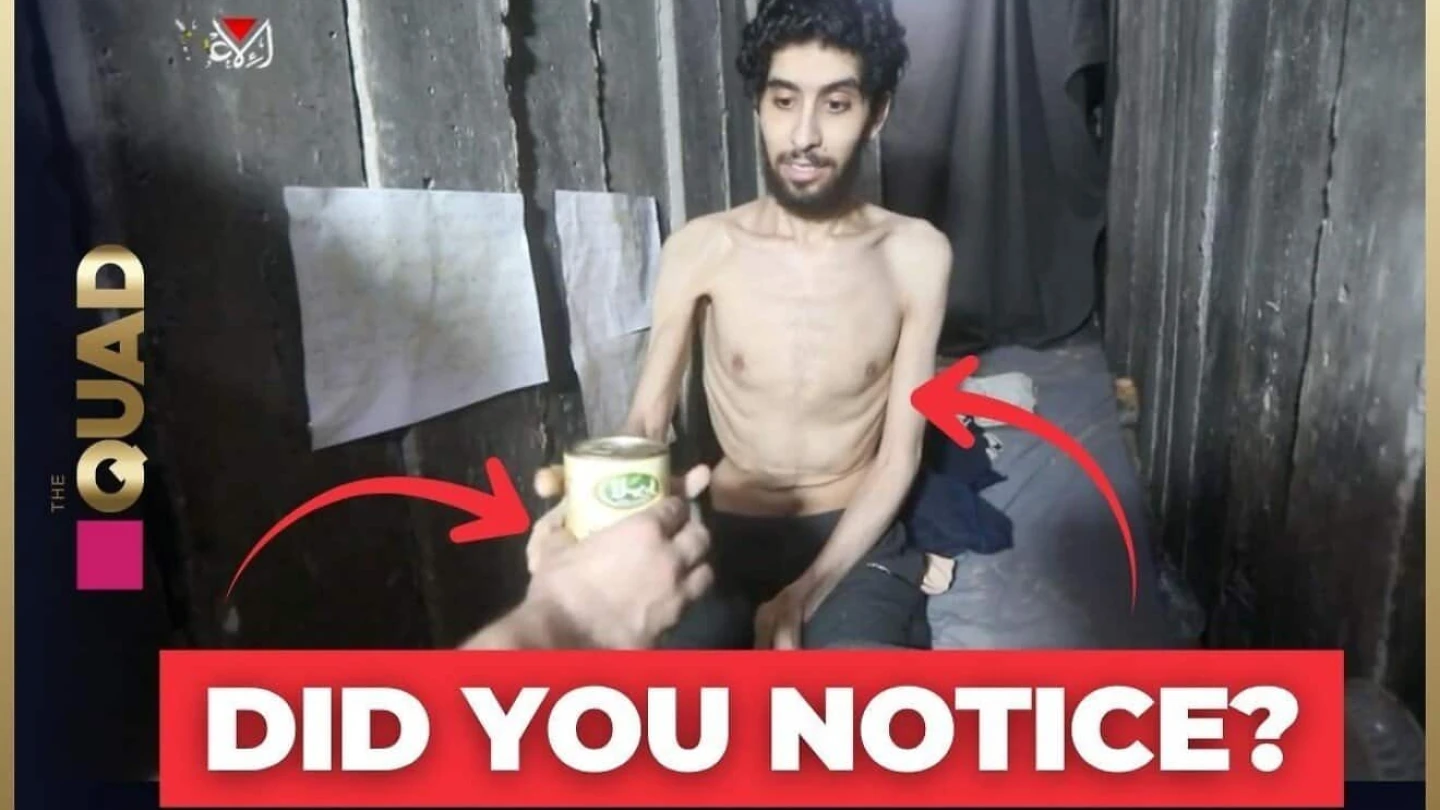
The discussion took an emotional turn when panelists highlighted the condition of Israeli hostages still held in Gaza, specifically pointing to 24-year-old Evyatar David, who appeared visibly emaciated in recent videos released by Hamas. The panel contrasted international outrage over Gaza’s humanitarian situation with what they described as insufficient attention to the plight of these hostages, who have been in captivity since the October 7 attacks.
Media representation formed another critical thread in the conversation, with participants analyzing what they view as manipulative imagery used to shape international opinion. Keats-Jaskoll noted how certain images from Gaza are amplified while others are suppressed, creating what she called “a distorted picture that serves a predetermined narrative.”
The panel expressed particular concern about recent diplomatic developments, as countries including France, the United Kingdom and Canada have signaled intentions to recognize a Palestinian state. Panelists questioned the timing and implications of such recognition, arguing it effectively rewards terrorism without addressing fundamental governance issues.
“How can you recognize a state with no clear borders, divided leadership, and an active terrorist organization controlling significant territory?” Hassan-Nahoum asked. “These moves seem more like political posturing than genuine steps toward peace.”
The conversation expanded to examine broader regional dynamics, including shifting political landscapes in Lebanon and what participants described as failed Western diplomatic efforts. Elkhoury, drawing on his Lebanese background, offered perspective on how the conflict is viewed across different segments of Middle Eastern society.
The panel situated the current crisis within historical contexts, suggesting that Hamas’s strategy deliberately creates humanitarian suffering to generate international pressure against Israel. They cited instances where Hamas reportedly seized aid shipments or prevented their distribution to civilians to maintain this narrative.
As international bodies continue debating responses to Gaza’s humanitarian situation, “The Quad” discussion represented an attempt to introduce competing perspectives into what participants view as an increasingly one-sided global conversation.
The panel concluded by emphasizing that genuine humanitarian concern must include accurate assessment of causality and responsibility, arguing that solutions can only emerge when the complex realities on the ground are acknowledged rather than simplified for political convenience.
Fact Checker
Verify the accuracy of this article using The Disinformation Commission analysis and real-time sources.

14 Comments
The claim that aid is being deliberately obstructed is quite serious. I’d like to see more independent verification of the facts before drawing conclusions. Ensuring humanitarian needs are met should be the top priority.
Absolutely, objective reporting and fact-finding will be crucial in understanding the full context here. Politicizing the humanitarian crisis risks obscuring the real issues.
This is a complex and sensitive issue. It’s concerning to hear allegations of Hamas obstructing aid distribution in Gaza. I’d be curious to learn more about the nuances and challenges around humanitarian efforts in the region.
Agreed, it’s critical that aid reaches those in need, regardless of political affiliations. Transparency from all parties involved would help shed light on the situation.
The allegations of Hamas obstructing aid distribution are quite serious. I’d be curious to see independent verification of the facts from reputable sources before drawing any firm conclusions.
Agreed, it’s important to get a clear, unbiased understanding of the situation on the ground. Politicizing the humanitarian crisis could undermine efforts to help those in need.
This sounds like a complex geopolitical situation with significant humanitarian implications. I hope all sides can work constructively to address the needs of the Gazan people, regardless of political affiliations.
Well said. Maintaining an impartial, solutions-oriented approach is key to making progress on such a delicate issue.
The allegations of aid obstruction are certainly concerning. However, I’d want to see corroborating evidence from credible, independent sources before forming a firm opinion on who is responsible. Maintaining an impartial, fact-based approach is key.
Agreed. Avoiding politicization and focusing on the humanitarian needs of Gazans should be the priority, regardless of which party is ultimately found responsible.
This is a complex and sensitive issue. I appreciate the effort to examine different perspectives, but would caution against jumping to conclusions without thorough, impartial investigation. The humanitarian needs of the Gazan people should be the top priority.
Well said. Maintaining objectivity and a focus on solving the real-world challenges facing Gaza’s residents will be crucial as this situation unfolds.
This sounds like a complex situation with significant humanitarian implications. I hope all parties involved can work together constructively to ensure aid reaches those in need, without regard for political affiliations. Objective, fact-based reporting will be crucial.
Well said. Maintaining an impartial, solution-oriented approach focused on the welfare of Gazan residents should be the top priority here.