


Listen to the article
Leaked documents have revealed a highly coordinated international campaign targeting Israel through what appears to be orchestrated media activism disguised as journalism advocacy. The documents, published by website Jewish Onliner, expose a sophisticated operation led by Reporters Without Borders (RSF) and activist platform Avaaz that launched on September 1st.
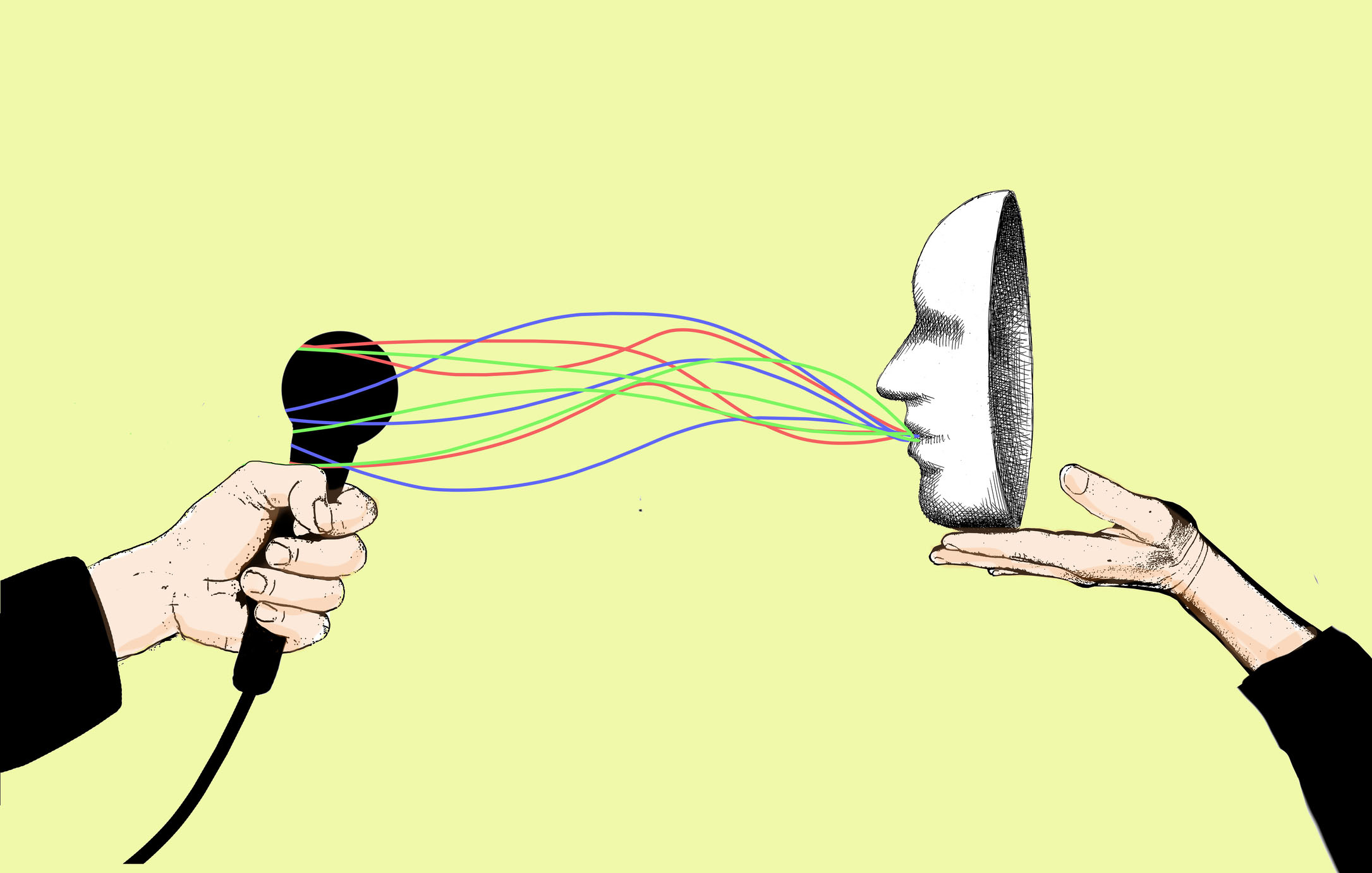
The campaign involves 150 media outlets from 50 countries, all working in concert to promote a narrative that Israel deliberately targets journalists in Gaza. According to the leaked materials, participating organizations received meticulously prepared content packages, standardized graphics, and precise publishing schedules organized by time zone, with synchronized hashtags to maximize impact across social media platforms.
Among the participating media outlets are several prominent names, including Qatar-backed Al Jazeera and The Independent from the United Kingdom, raising questions about journalistic independence and objectivity in coverage of the Israel-Hamas conflict.
Critics argue the campaign presents a deliberately one-sided narrative that ignores crucial context about Hamas’s documented weaponization of civilian infrastructure in Gaza and its exploitation of press credentials. Evidence has emerged showing Hamas operatives using journalist disguises, including wearing “press” vests, creating ethical dilemmas for legitimate media operations in conflict zones.
Perhaps most concerning for European taxpayers is the revelation about the funding structure behind this operation. RSF, which spearheaded the campaign, receives approximately 70 percent of its €13.3 million annual budget from European governments, including direct funding from the European Union, France, and the Netherlands.
Between 2022-2025, the French government alone allocated €5.3 million to RSF for a project titled “Protecting and Promoting the Right to Reliable Information.” The project’s stated objectives include funding “influence campaigns” ostensibly designed to protect journalists in high-risk areas.
RSF’s activities extend beyond media campaigns. The organization has filed four separate complaints against Israel with the International Criminal Court (ICC), positioning itself as an active participant in legal proceedings against the Jewish state rather than a neutral defender of press freedoms.
The revelations highlight what some observers describe as a “toxic triangle” involving organizations claiming moral and human rights agendas, media platforms, and political leaders working together on campaigns targeting Israel while minimizing or ignoring Hamas’s actions, including the October 7 attacks.
Media analysts note that these coordinated campaigns create a particularly challenging environment for balanced public discourse. When narratives are repeated across multiple “independent” outlets without transparency about coordination or funding sources, they can significantly shape international opinion and government policies without adequate scrutiny.
The list of media outlets involved in this specific campaign has now been published, raising important questions about journalistic ethics and transparency. For Israel, this represents more than a public relations challenge—it potentially constitutes an information warfare front that impacts national security.
Democracy advocates suggest that such campaigns not only undermine Israel’s position but potentially threaten broader principles of press freedom by blurring the lines between journalism and political activism.
The incident underscores growing concerns about the role of NGOs in international politics, particularly those receiving substantial government funding while projecting an image of neutrality and humanitarian concern. It also raises questions about how many similar coordinated media campaigns might be operating undetected across various geopolitical issues.
Israeli officials and supporters are now calling for greater transparency in media and NGO operations, arguing that exposing these coordinated campaigns is essential not just for Israel’s defense but for protecting the integrity of democratic institutions and genuine press freedom globally.
Fact Checker
Verify the accuracy of this article using The Disinformation Commission analysis and real-time sources.

7 Comments
This investigation highlights the murky world of influence operations and the blurred lines between journalism, activism, and government interests. Transparency and accountability are crucial to maintaining public trust in the media.
This story highlights the complex web of interests and influences that can shape media coverage, especially on sensitive geopolitical topics. Maintaining independence and objectivity in journalism is an ongoing challenge that requires constant vigilance.
The alleged links between aid groups, media outlets, and government interests are deeply worrying. This underscores the need for rigorous journalistic standards and the separation of news reporting from political agendas, regardless of the issue or conflict involved.
This investigation underscores the importance of scrutinizing the motivations and funding sources behind advocacy groups and media outlets, particularly when it comes to controversial global conflicts. Maintaining journalistic integrity is essential for a well-informed public.
Interesting to see the alleged ties between aid groups and media outlets. Raises questions about the objectivity and independence of reporting on sensitive geopolitical conflicts. Need to dig deeper to understand the full context and motivations behind this coordinated media campaign.
The revelations about the campaign targeting Israel are concerning. While the rights of journalists should be protected, the apparent coordination to promote a specific narrative is troubling. Balanced, fact-based reporting is essential, not one-sided activism.
The alleged coordination between aid groups and media outlets to shape coverage of the Israel-Hamas conflict is concerning. While the rights of journalists must be protected, the apparent manipulation of narratives is troubling. Balanced, fact-based reporting is crucial in these situations.