


Listen to the article
Former Executive Cleared in College Admissions Scandal Alleges Prosecutorial Abuses in New Book
A former business executive acquitted in the high-profile “Varsity Blues” college admissions scandal has published a book alleging serious prosecutorial misconduct and media manipulation led to his wrongful conviction.
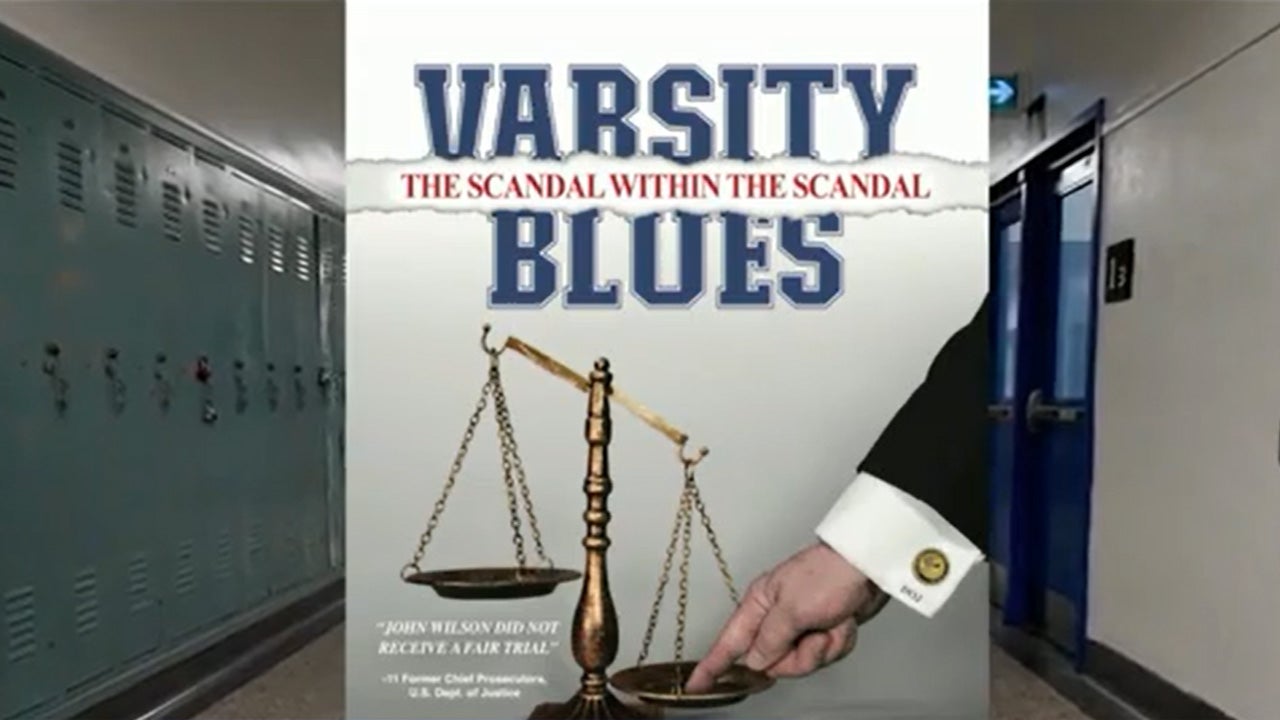
John Wilson, whose conviction was ultimately overturned by an appeals court, details his harrowing experience in “Varsity Blues: The Scandal Within the Scandal,” which hit shelves this month.
“We wrote our book to share our untold story and to disclose the outrageous prosecutorial misconduct that happened in our case,” Wilson said in a recent interview. His account offers a rare perspective from someone who faced the full force of the federal justice system in a case that captivated national media.
Wilson claims federal prosecutors employed extreme pressure tactics, including stacking nine felony charges that potentially carried a staggering 180-year prison sentence. According to Wilson, this overwhelming legal threat was designed to coerce him into pleading guilty rather than fighting the charges in court.
When he chose to stand trial, Wilson alleges the deck was further stacked against him when the presiding judge blocked the admission of key evidence for his defense. These judicial decisions, Wilson contends, prevented jurors from hearing the complete story.
The 2019 college admissions scandal, nicknamed “Operation Varsity Blues” by federal authorities, implicated dozens of wealthy parents, including celebrities Felicity Huffman and Lori Loughlin, in a scheme to secure their children’s admission to elite universities through bribes and falsified credentials. The investigation revealed a network orchestrated by college counselor Rick Singer, who collected millions from parents to facilitate fraudulent admissions.
While many defendants accepted plea deals, Wilson maintained his innocence and fought the charges, insisting his children were qualified applicants who deserved their university placements on merit alone. His book directly challenges the prosecution’s narrative that his children were undeserving applicants who gained admission only through illegal means.
The personal and financial toll on Wilson has been devastating. Following his arrest and initial conviction, he lost his executive position and was removed from various corporate boards. Legal fees drained what he describes as his family’s life savings, creating significant financial hardship despite his previous success in business.
Beyond the financial impact, Wilson details the emotional distress suffered by his family throughout the prolonged legal battle. His children, who became unwitting subjects of public scrutiny, faced their own challenges as their academic credentials were questioned in the national spotlight.
The University of Southern California also features prominently in Wilson’s accusations. He alleges that USC officials worked with prosecutors in ways that compromised his right to a fair trial, though the university has previously denied any improper conduct related to the admissions scandal cases.
Wilson’s case represents one of the few successful appeals to emerge from the sprawling Varsity Blues prosecution. Legal experts note that his experience highlights potential systemic issues within high-profile federal prosecutions, where media attention and public outrage can sometimes influence the pursuit of justice.
The book appears targeted not only at clearing Wilson’s name but also at sparking broader discussion about prosecutorial power and media influence in high-profile criminal cases. Wilson frames his story as a cautionary tale about how the justice system can sometimes falter, even for those with resources to mount a strong defense.
As the final chapter in the Varsity Blues saga continues to unfold, Wilson’s account adds a controversial perspective to a scandal that has already prompted significant soul-searching about privilege, merit, and fairness in American higher education.
Fact Checker
Verify the accuracy of this article using The Disinformation Commission analysis and real-time sources.

10 Comments
Allegations of prosecutorial misconduct and media manipulation are very serious. If true, it would undermine public trust in the justice system. I’m curious to learn more about Wilson’s specific claims and whether they hold up under scrutiny.
Absolutely, these are important issues that deserve a thorough and objective investigation. The public deserves to know the full truth.
This is a complex and contentious case, and it’s good to see different perspectives emerging. While the initial headlines were sensational, it’s crucial that we examine the details and potential abuses of power. Wilson’s account seems to offer a counterbalance to the dominant media narrative.
I agree, a nuanced understanding of this scandal is important. It will be valuable to read Wilson’s firsthand account and assess the validity of his claims.
Prosecutors using extreme pressure tactics to coerce guilty pleas is quite concerning, if true. The justice system should be focused on uncovering the truth, not just securing convictions. I look forward to reading more about Wilson’s account in his book.
Absolutely, the integrity of the legal process is crucial. It’s good that Wilson is speaking out about these alleged abuses.
This is an interesting perspective on the college admissions scandal. It’s good to hear from someone who was acquitted, as the media often focuses on the sensational aspects rather than the details of the cases. I’m curious to learn more about the alleged prosecutorial misconduct.
Agreed, the media narrative around this scandal has been very one-sided. It will be valuable to get a more nuanced understanding of what really happened.
The college admissions scandal has been a complex and controversial issue. While the initial headlines were shocking, it’s important to examine the nuances and potential overreach by authorities. Wilson’s perspective adds an important counterpoint to the dominant media narrative.
Agreed, these high-profile cases often lack the full context. It will be enlightening to read Wilson’s first-hand account of what transpired.