


Listen to the article
The Fórum Canario Saharaui has issued a sharp rebuke against recent European parliamentary delegations visiting Western Sahara, characterizing their trips as misleading propaganda efforts rather than legitimate human rights monitoring missions.
In a strongly-worded statement, the Forum condemned what it described as “media campaigns that seek to distort reality” in the region through unauthorized visits. The controversy centers on a recent incident involving European Parliament members who were denied entry to Laayoune, a major city in the Moroccan-administered portion of Western Sahara.
The statement specifically criticized the MEPs for attempting to conduct unofficial work in a “sovereign country that is not under European jurisdiction,” without obtaining proper prior authorization from Moroccan authorities. According to the Forum, such actions constitute a clear violation of Morocco’s immigration laws.
“It is cynical and embarrassing that, in their complaint of expulsion, they claim to have ‘not been able to carry out their work’ and to be under alleged missions and supposed mandates,” the statement read, emphasizing that the parliamentarians had failed to arrange their visit through official channels.
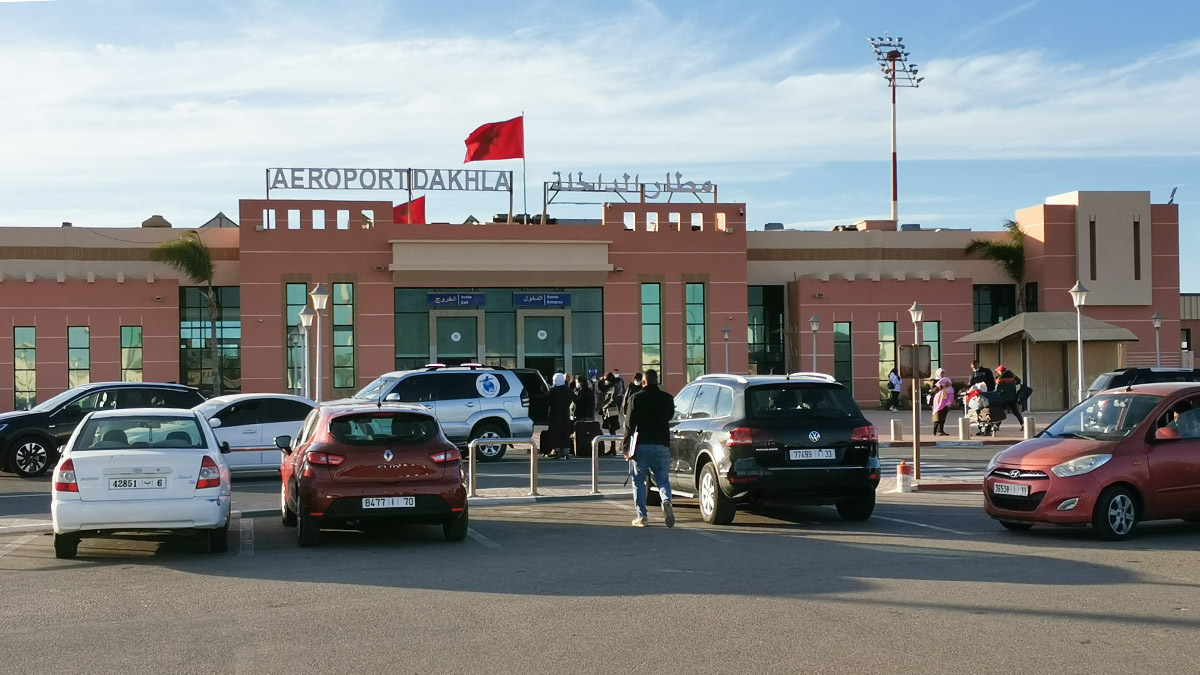
The criticism comes amid heightened tensions following the launch of a Ryanair Madrid-Dakhla air route, which has increased accessibility to the disputed region. The Forum claims that various politicians, journalists, and activists have been attempting to enter the territory while concealing their true intentions.
Western Sahara has been a contested region since Spain withdrew in 1975, leaving Morocco and the Polisario Front independence movement in conflict over the territory. Morocco controls roughly 80 percent of the region, including major cities and phosphate resources, while the Polisario Front administers refugee camps in neighboring Algeria.
The Forum specifically accused certain Spanish journalists of immigration fraud, alleging they misrepresented themselves as tourists at border control points while intending to conduct journalistic activities supporting the Polisario Front. Such behavior, according to the statement, fully justifies their expulsion once their true intentions are discovered.
“We categorically reject the disinformation campaign orchestrated by these political and media figures who use the media that pays them as a platform for Polisario propaganda,” the Forum declared, questioning whether these individuals genuinely seek to gather information or merely generate publicity through predictable visa denials.
The statement also pointed to what it considers a double standard, suggesting that those critical of Morocco’s policies would face even greater restrictions when attempting to document alleged human rights abuses in the Polisario-controlled refugee camps in Tindouf, Algeria.
The Fórum Canario Saharaui, which promotes Morocco’s position on the Western Sahara issue, concluded by reaffirming its support for Morocco’s development initiatives in the region and pledged to counter what it views as media manipulation, particularly in Spain, which it described as “the nerve centre of this distorted view of reality.”
This dispute highlights the ongoing sensitivities surrounding access to Western Sahara, where international observers, journalists, and human rights groups have frequently reported difficulties in gaining unrestricted entry. Morocco considers the region an integral part of its territory, while various international bodies continue to recognize the Sahrawi people’s right to self-determination.
The incident also underscores the complex media landscape surrounding the Western Sahara issue, where competing narratives from Morocco, the Polisario Front, and their respective supporters continue to shape international perceptions of the decades-long conflict.
Fact Checker
Verify the accuracy of this article using The Disinformation Commission analysis and real-time sources.

6 Comments
This is a complex issue with valid concerns from multiple perspectives. While I appreciate the desire for accountability, it’s important that any foreign visits are properly arranged with the Moroccan government to avoid further escalating tensions. Constructive engagement and respect for national sovereignty should be the priorities.
This is a complex geopolitical issue with valid concerns on both sides. While I understand the desire for oversight, it’s important that any foreign visits are properly coordinated with the Moroccan government to respect their sovereignty. Constructive dialogue is key to finding a peaceful resolution.
The accusations of political exploitation and media manipulation on both sides are concerning. It’s crucial that all parties involved, including foreign delegations, respect Moroccan sovereignty and immigration laws, even if they disagree with certain policies. Open and transparent dialogue is the best path forward.
The alleged violations of Moroccan immigration laws by the European parliamentarians are concerning. Regardless of one’s views on Western Sahara, it’s critical that any foreign delegations follow the proper procedures and obtain necessary permissions before entering a sovereign country. Unilateral actions can escalate tensions.
I agree. Respecting national sovereignty and rule of law should be the priority, even when there are disagreements over specific policies or events. Diplomatic channels are the best way to address such issues constructively.
This is a sensitive geopolitical situation with competing narratives. While I understand the desire for oversight, it’s important that any foreign visits are properly coordinated to avoid further inflaming tensions. Impartial fact-finding missions could help, but they must engage all stakeholders in good faith.