


Listen to the article
Cardiologists Warn of Snow Shoveling Risks for Adults Over 45
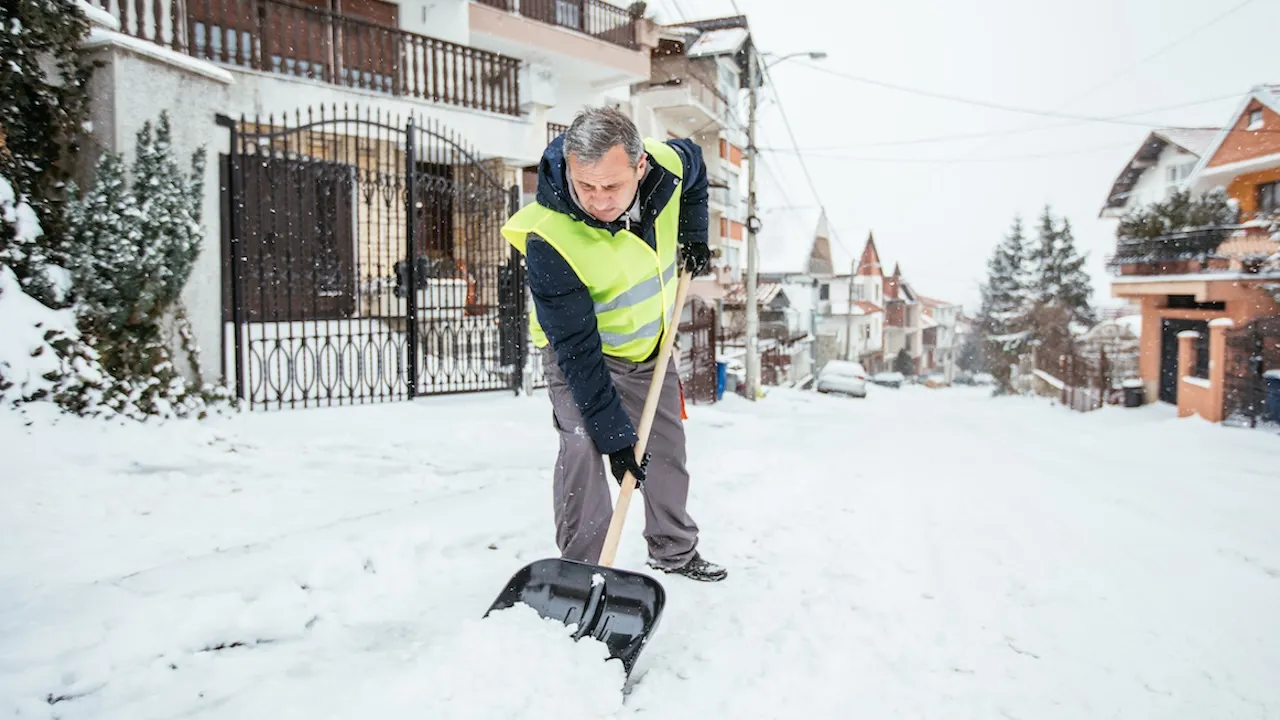
As winter storms blanket parts of the United States with snow, cardiologists are issuing urgent warnings about the hidden cardiovascular dangers associated with snow shoveling, particularly for older adults and those with existing health conditions.
A recent Mayo Clinic review found that just 10 minutes of heavy snow shoveling can push the heart to approximately 97% of its maximum rate. The research also discovered that exposure to cold air significantly increases blood pressure while reducing coronary blood flow—creating a potentially dangerous combination.
“While there’s no strict age cutoff, generally above the age of mid-40s and above, we tend to be a little more cautious—particularly in people who are less active without regular exercise,” said Dr. Navjot Kaur Sobti, an interventional cardiologist at Northwell’s Northern Westchester Hospital in Mount Kisco, New York.
For those over 65 with risk factors such as high blood pressure, high cholesterol, diabetes, obesity, or a sedentary lifestyle, the warnings become even more critical. Dr. Sobti advises these individuals to be “very, very cautious about shoveling snow.”
Dr. John Osborne, a practicing Texas cardiologist and American Heart Association volunteer, shared similar concerns, specifically highlighting males over 65 as a high-risk group. “Unless you are in good cardiovascular shape and conditioned, it may be a good idea to ask someone for help,” he advised.
Those with a history of heart attack, stroke, bypass surgery, or coronary angioplasty should avoid shoveling snow entirely, according to Dr. Osborne. He noted that many cardiac episodes occur in typically sedentary individuals who attempt strenuous snow removal once or twice a year after heavy snowfalls.
The cardiovascular stress of snow shoveling can be equivalent to—or even exceed—that of a cardiac stress test, creating what Dr. Sobti describes as “an unsupervised maximal exertion stress test without a cardiologist actively monitoring them.”
The danger comes from multiple factors working simultaneously. Cold temperatures cause blood vessels to constrict and blood pressure to spike, while the physical exertion of lifting heavy snow puts additional strain on the heart. This combination can be particularly dangerous for those with existing hypertension.
Recent research published in the Annals of Internal Medicine last month underscores these concerns, showing that cold exposure accounts for nearly twice as many cardiovascular deaths as heat exposure. The study also found that adults over 65 experience higher rates of temperature-related deaths overall.
“The risk is very, very high,” Dr. Sobti emphasized. “It’s really that sudden rise in blood pressure coupled with the physical stress of snow shoveling itself.”
For those who must clear snow, experts recommend several precautions. Ideally, arrange for someone else to help with snow removal. If that’s not possible, pace yourself and use a “pushing or sweeping” motion rather than heavy lifting. Protection against the cold is also crucial—cover your mouth, nose, and extremities, and wear a hat and gloves, with extra caution in windy conditions.
Even using a snow blower requires care. While it reduces exertion compared to manual shoveling (raising heart rates to about 120 beats per minute versus 170 with shoveling, according to the American Heart Association), it still represents significant cardiovascular activity.
Dr. Sobti emphasizes the importance of recognizing warning signs during snow removal: chest pain, shortness of breath, racing heart, or palpitations should never be ignored, even if they resolve quickly. “You could still be experiencing symptoms of a heart attack,” she cautioned, advising anyone experiencing such symptoms to call 911 immediately. “It’s better really to be safe than sorry.”
As winter progresses, health professionals hope increased awareness of these risks will help reduce the annual spike in cardiac emergencies associated with snow removal activities, particularly among vulnerable populations.
Fact Checker
Verify the accuracy of this article using The Disinformation Commission analysis and real-time sources.

12 Comments
Interesting that even just 10 minutes of snow shoveling can push the heart rate so high. That really drives home how strenuous the activity can be, even for younger, healthier individuals.
Definitely a good reminder to approach snow shoveling with caution, regardless of age. It’s better to err on the side of safety when it comes to your heart health.
As someone who’s struggled with heart issues, this article hits close to home. I’ll be taking the experts’ advice and avoiding snow shoveling altogether this winter – just not worth the risk.
This is a timely warning as we head into the winter months. I hope people take it seriously and don’t underestimate the strain that snow shoveling can put on the heart, especially for those with pre-existing conditions.
As someone who loves the outdoors, I’m a little skeptical about completely avoiding snow shoveling. But I do think the experts have a point – it’s crucial to be realistic about your physical abilities and not push yourself too hard.
That’s a fair perspective. With some precautions like proper warm-up, pacing yourself, and knowing when to call it quits, snow shoveling doesn’t have to be completely off-limits for healthier older adults.
Interesting insights from the experts on the hidden heart risks of snow shoveling, especially for older adults. I can see how the physical exertion combined with cold temperatures could put a lot of strain on the cardiovascular system.
It’s a good reminder to be cautious and listen to your body when tackling winter chores. Better to be safe than sorry when it comes to heart health.
The statistics on how much snow shoveling can push the heart rate are quite alarming. This is an important public health issue that needs more awareness, especially as the population continues to age.
Absolutely. Doctors should be doing more to educate at-risk patients on the dangers and encourage them to find safer alternatives for snow removal.
As someone who’s getting up there in years, this is a wake-up call. I’ll definitely be more mindful of my limits and whether it’s better to find an alternative like hiring help or using a snowblower. Better to be proactive than end up in the ER.
Agreed. It’s not worth risking your health just to clear some snow. Safety should be the top priority, especially for those with pre-existing conditions.