


Listen to the article
Holiday Heartburn Spike: Doctor Reveals Common Triggers and How to Avoid Them
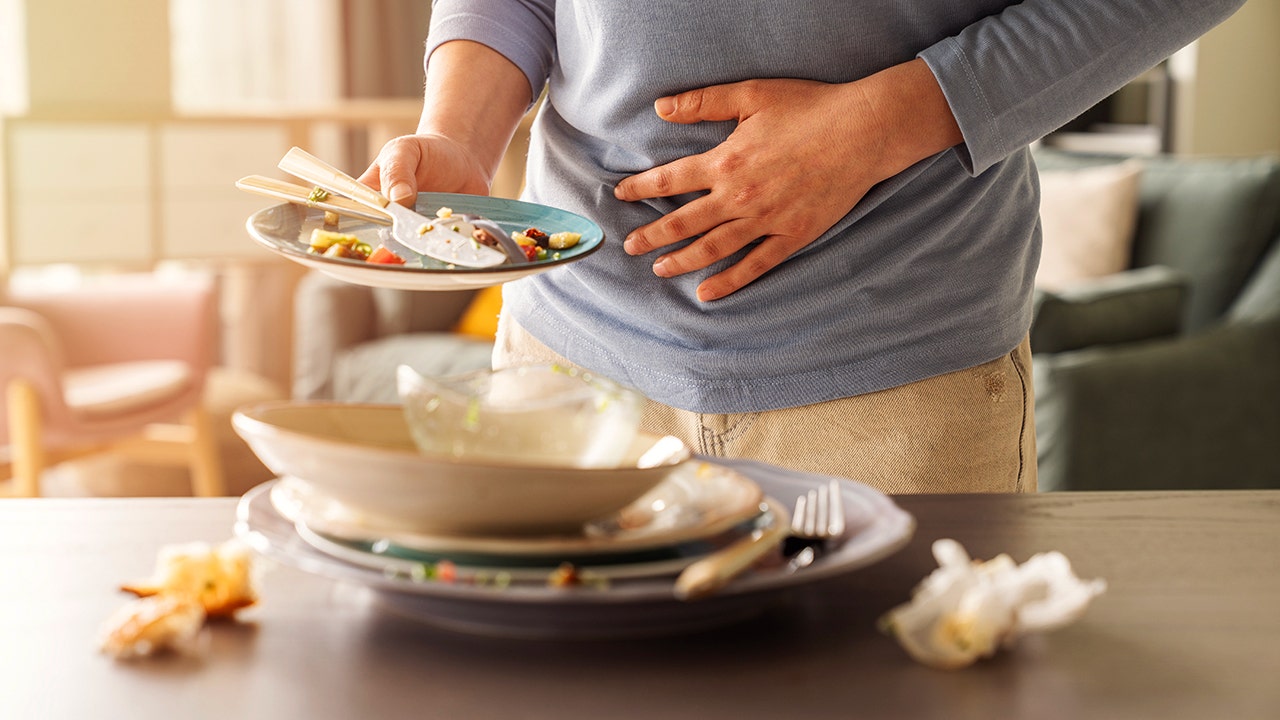
The holidays are a time for family, food and festive cheer — but for many people, they also bring an unwelcome guest: heartburn.
Cases of acid reflux spike dramatically during the holiday season, according to Dr. Mark Shachner, medical director of the Broward Health Coral Springs Heartburn Center in South Florida.
“Heartburn tends to flare up during the holidays because we often eat larger portions, enjoy richer foods, and indulge in more sweets and alcohol than usual,” Shachner explained in a recent interview.
When these dietary choices combine with other common holiday habits — overeating, late-night meals, and lying down too soon after eating — they create what the gastroenterologist describes as “a recipe for reflux.”
Health experts note that seasonal heartburn affects millions of Americans each year, with December seeing approximately 25% more antacid sales than other months, according to pharmaceutical industry data. This seasonal pattern has been consistent for decades, though consumer awareness of heartburn triggers has improved in recent years.
Shachner has identified five common mistakes people make that trigger heartburn during the holidays and year-round.
First on his list is eating too much, too quickly. “Moderation and timing make the biggest difference,” he advised. Instead of rushing through meals or immediately returning for seconds, Shachner recommends smaller portions, slower chewing, and allowing time to digest before having more food.
Staying upright for at least two to three hours after eating helps the stomach empty more efficiently and keeps stomach acid where it belongs, he noted.
The second common mistake is indulging in late-night snacks. While that extra slice of pie or holiday cookie might be tempting before bed, Shachner warns that going to sleep with a full stomach can lead to significant reflux issues.
“Lying flat makes it easier for stomach acid to creep upward,” he explained. “Those two to three hours between your last bite and bedtime make a tremendous difference in preventing nighttime heartburn.”
The third error is remaining sedentary after large meals. While many people are inclined to settle into the couch after a holiday feast, Shachner recommends light physical activity instead.
“A gentle walk after meals helps digestion and reduces reflux,” he said. Even 10-15 minutes of light movement can aid the stomach in processing food and reduce the internal pressure that leads to heartburn. Despite the temptation, he advises against the post-feast nap.
Fourth on the list is failing to identify personal food triggers. While common culprits include fatty or fried dishes, tomato sauces, citrus, chocolate, peppermint, alcohol, coffee, and carbonated drinks, Shachner emphasizes that everyone’s sensitivities differ.
“Everyone’s triggers are a little different, so paying attention to which foods cause discomfort is important,” he noted. Keeping a food diary during the holiday season can help identify patterns and specific items that may need to be limited or avoided.
The fifth mistake is ignoring persistent symptoms. While occasional heartburn is usually not cause for concern, Shachner warns that more frequent episodes require medical attention.
“If you’re having symptoms two or more times a week, or if over-the-counter remedies stop working, that’s when it’s time to see a doctor for a full evaluation,” he cautioned.
Chronic reflux can indicate gastroesophageal reflux disease (GERD), which affects an estimated 20% of Americans and can cause long-term damage to the esophagus if left untreated. In severe cases, GERD has been linked to an increased risk of esophageal cancer.
The gastroenterologist also advised against relying too heavily on antacids or acid reducers without medical guidance. “It’s best to use them under the guidance of a healthcare professional who can identify and treat the root cause rather than just the symptoms,” he said.
For those with chronic reflux that doesn’t respond to lifestyle changes and medications, Shachner highlighted newer treatment options. Minimally invasive, FDA-approved procedures like the LINX® device, which uses a small ring of magnetic beads to reinforce the lower esophageal sphincter, can provide lasting relief without traditional surgery.
Another option is transoral incisionless fundoplication (TIF), which restores the natural barrier between the stomach and esophagus through the mouth, with no external incisions.
As holiday gatherings continue through the season, being mindful of these common triggers can help ensure digestive comfort while still enjoying festive traditions.
Fact Checker
Verify the accuracy of this article using The Disinformation Commission analysis and real-time sources.

10 Comments
Great advice from the gastroenterologist on avoiding common heartburn triggers like overeating, late meals, and lying down too soon after eating. Definitely going to keep these tips in mind as we head into the holiday season.
Yes, simple adjustments like pacing portions and allowing time between eating and bedtime can go a long way in preventing that uncomfortable burning sensation.
Interesting to see how holiday eating habits can trigger heartburn. I wonder if the spike in antacid sales during the holidays is also influenced by people being more aware of heartburn and taking preventive measures.
That’s a good point. Increased consumer awareness likely plays a role, along with the uptick in rich, heavy foods consumed during the holidays.
As someone who struggles with acid reflux, I appreciate the tips from the gastroenterologist on how to avoid heartburn triggers like overeating and late-night meals. Small adjustments can make a big difference.
I agree. Being mindful of portion sizes and timing of meals during the holidays can go a long way in preventing that uncomfortable burning sensation.
Curious to know if certain holiday dishes or ingredients tend to be bigger culprits for heartburn than others. The article mentions rich foods and sweets, but I wonder if there are specific offenders to watch out for.
That’s a good question. The doctor likely has insights on which holiday foods and drinks are most likely to trigger reflux, based on their acidity, fat content, and other factors.
I’m surprised the antacid sales spike is as high as 25% during the holidays. That really underscores how widespread the issue of seasonal heartburn is. Helpful to have these tips to try and get ahead of it.
Absolutely. The data on increased antacid usage puts the scale of the problem in perspective. Small changes can make a big difference in managing heartburn.