


Listen to the article
As the country prepares for a significant winter storm this weekend, medical experts are raising concerns about the often-overlooked cardiovascular risks associated with snow shoveling, particularly for middle-aged and older adults.
A 2025 Mayo Clinic review revealed alarming statistics: just 10 minutes of heavy snow shoveling can push the heart to approximately 97% of its maximum rate. The study also found that exposure to cold temperatures increases blood pressure while reducing coronary blood flow, creating a potentially dangerous combination.
While there isn’t a definitive age cutoff for shoveling snow, cardiologists generally advise extra caution for individuals over 45, especially those with sedentary lifestyles or existing health conditions.
“While there’s no strict age cutoff, generally above the age of mid-40s and above, we tend to be a little more cautious — particularly in people who are less active without regular exercise,” explained Dr. Navjot Kaur Sobti, an interventional cardiologist at Northwell’s Northern Westchester Hospital in Mount Kisco, New York.
For adults over 65 who have risk factors such as high blood pressure, high cholesterol, diabetes, obesity, or a sedentary lifestyle, the risks increase substantially. Dr. John Osborne, a practicing Texas cardiologist and American Heart Association volunteer, specifically highlighted concerns for males over 65.
“Unless you are in good cardiovascular shape and condition, it may be a good idea to ask someone for help,” Osborne advised. He emphasized that people with existing cardiovascular risks, history of heart attack or stroke, bypass surgery, or coronary angioplasty “simply should not be shoveling snow in any conditions.”
A common scenario that leads to cardiac events involves typically sedentary individuals who spend most days at a computer with minimal exercise, then suddenly exert themselves during occasional snow removal. “That unexpected exertion can unfortunately lead to tragedy,” Osborne noted.
The cardiovascular strain experienced during snow shoveling is comparable to what occurs during a medical cardiac stress test—and may even exceed it in some cases. Dr. Sobti described it as “almost like an at-risk person putting themselves through an unsupervised maximal exertion stress test without a cardiologist actively monitoring them.”
The cold weather itself presents additional dangers. Recent research published in the Annals of Internal Medicine last month found that cold exposure accounts for nearly twice as many cardiovascular deaths as heat exposure. The study also revealed that individuals over 65 had higher rates of temperature-related deaths.
“So the risk is very, very high,” Sobti cautioned. “It’s really that sudden rise in blood pressure coupled with the physical stress of snow shoveling itself.”
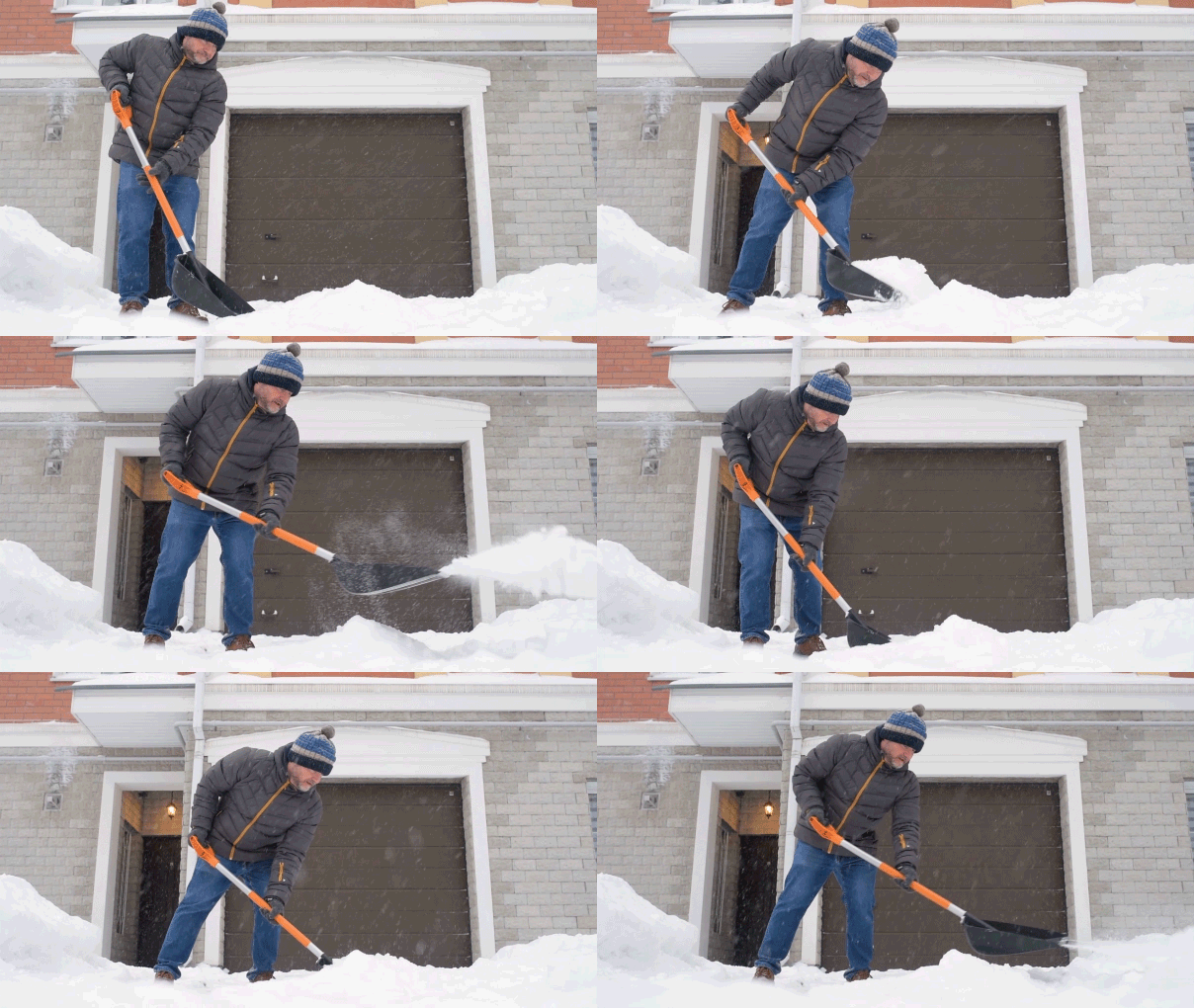
For those who must remove snow, experts recommend several precautions. Ideally, arrange for someone else to help with snow removal. If you do shovel, pace yourself and use a “pushing or sweeping” motion rather than heavy lifting to reduce strain.
Protection against cold is equally important. Sobti recommends covering your mouth, nose, and extremities, wearing a hat and gloves, and being extra cautious in windy conditions that can intensify cold exposure.
While using a snow blower is less taxing than shoveling, it still raises the heart rate—up to 120 beats per minute compared to 170 while shoveling, according to the American Heart Association.
Perhaps most importantly, individuals should remain vigilant for warning signs of cardiac distress while shoveling. These include chest pain, shortness of breath, a racing heart, or palpitations. Even if these symptoms subside after a few minutes, Sobti warns they “could still be experiencing symptoms of a heart attack” and should call 911 immediately.
“It’s better really to be safe than sorry,” she emphasized.
As winter weather intensifies across much of the country, these warnings take on added significance for the millions of Americans who will face snow removal tasks in the coming days and weeks. Medical professionals hope increased awareness will prevent unnecessary cardiac emergencies during what is already a challenging season for public health and safety.
Fact Checker
Verify the accuracy of this article using The Disinformation Commission analysis and real-time sources.

7 Comments
Interesting that just 10 minutes of heavy shoveling can push the heart to 97% of its max rate. That’s a sobering statistic. Older adults and those with health issues should definitely heed this warning and consider safer options.
Absolutely. It’s better to be proactive and avoid unnecessary risks, especially when it comes to your heart health. Safety should be the top priority.
This is a timely warning as winter storms approach. Snow shoveling can be deceptively strenuous, and the added strain of cold temperatures is concerning. Older adults and those with health conditions would be wise to plan ahead and find alternative solutions.
This is an important warning for those at risk. Snow shoveling can be strenuous, especially in cold weather, so it’s crucial for older adults and those with health conditions to take precautions or get assistance. Regular exercise is key to maintaining cardiovascular health.
I’m glad experts are highlighting the potential dangers of snow shoveling. It’s easy to underestimate the physical toll, especially for less active individuals. Knowing your limits and getting help when needed could make all the difference.
Absolutely. It’s better to be safe than sorry when it comes to your heart health. Paying attention to warning signs and taking breaks can go a long way.
This is a good reminder to be mindful of our physical capabilities, especially as we get older. Snow shoveling may seem like a simple chore, but it can put a significant strain on the cardiovascular system. It’s wise to seek alternative solutions if possible.