


Listen to the article
Sleep Positions May Pose Unexpected Health Risks, Experts Warn
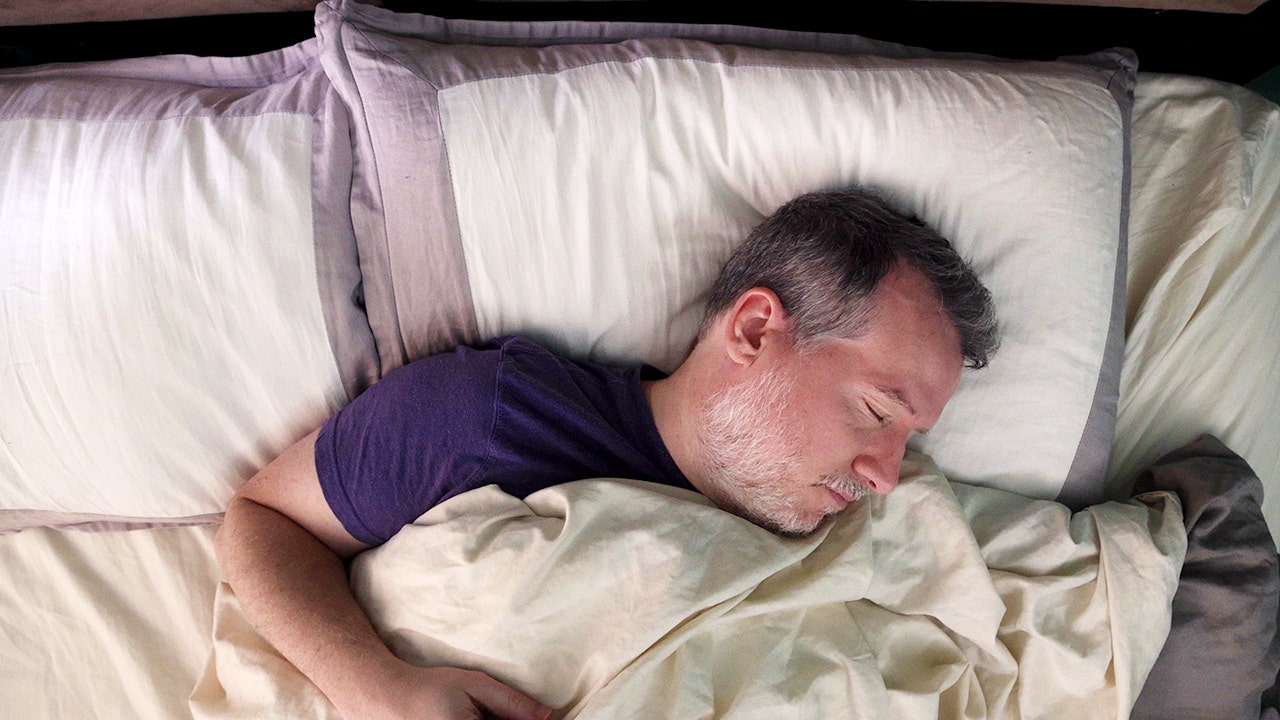
Your preferred sleeping position may cause more than just a sore back, according to sleep specialists. Research suggests that certain postures during sleep can lead to nerve compression, acid reflux, snoring, and muscle pain that persists into the following day.
“What we care about is if someone is comfortable in their sleep position. Often times we sleep in certain ways because of comfort,” explains Shelby Harris, a clinical psychologist and behavioral sleep specialist. However, this comfort doesn’t always translate to what’s best for our bodies.
When we maintain awkward positions throughout the night, our immobile bodies experience increased stress on nerves, muscles, and ligaments. Contrary to popular belief, experts emphasize that curled-up sleeping positions don’t necessarily reflect psychological states or stress levels.
One concerning position gaining attention on social media is the “T. rex position,” where people sleep with bent or tucked arms. Health experts note that this position often leads to nerve compression, which can manifest as numbness in the arms during the night.
A 2023 medical review specifically examined cubital tunnel syndrome, a condition where people experience numbness and shooting pain in their forearms. The study warned that sleeping with sharply bent elbows or arms tucked under pillows significantly increases pressure on nerves and can worsen symptoms over time.
Back sleeping, while seemingly safer for arms, comes with its own set of challenges. According to the Sleep Foundation, this position can contribute to snoring and acid reflux. This highlights the importance of understanding the full spectrum of benefits and risks before changing sleep positions.
Stomach sleeping appears to be the most problematic position according to experts. The Sleep Foundation notes that lying face-down typically forces the spine out of alignment and is associated with back, neck and shoulder pain. This primarily occurs because stomach sleepers must twist their heads to one side in order to breathe. Despite evidence linking it to decreased snoring, stomach sleeping remains the least common position among adults.
Harvard Health, referencing Sleep Foundation data, indicates that side sleeping is both the most common position and potentially the most beneficial for many individuals. Mayo Clinic guidance specifically recommends side sleeping with slightly bent knees and a pillow between the legs to achieve better alignment of the spine, pelvis and hips, thereby reducing back pressure.
Johns Hopkins Medicine suggests that sleep position becomes increasingly important as we age or develop medical conditions. Their guidance highlights back or side postures as generally more supportive options for overall health.
For those who struggle to immediately transition away from stomach sleeping, medical centers recommend a gradual approach. Using thinner pillows or none at all can help limit neck twisting and excessive lumbar arching during the adjustment period.
The impact of sleep positioning has gained increased attention in recent years as research continues to demonstrate connections between sleep quality and overall health. Poor sleep has been linked to increased risk of cardiovascular disease, impaired immune function, and decreased cognitive performance.
Harris emphasizes that those who struggle with sleep quality regardless of position should consider consulting a sleep specialist. Persistent sleep issues may indicate underlying conditions requiring professional assessment.
As sleep science continues to evolve, experts recommend prioritizing positions that maintain proper spinal alignment while addressing individual health needs like reflux or snoring. For most people, side sleeping with proper support appears to offer the best balance of comfort and health benefits.
Fact Checker
Verify the accuracy of this article using The Disinformation Commission analysis and real-time sources.

21 Comments
The cost guidance is better than expected. If they deliver, the stock could rerate.
Good point. Watching costs and grades closely.
If AISC keeps dropping, this becomes investable for me.
Good point. Watching costs and grades closely.
Good point. Watching costs and grades closely.
If AISC keeps dropping, this becomes investable for me.
Good point. Watching costs and grades closely.
Good point. Watching costs and grades closely.
Nice to see insider buying—usually a good signal in this space.
Good point. Watching costs and grades closely.
Nice to see insider buying—usually a good signal in this space.
Good point. Watching costs and grades closely.
Good point. Watching costs and grades closely.
Exploration results look promising, but permitting will be the key risk.
Nice to see insider buying—usually a good signal in this space.
Good point. Watching costs and grades closely.
Good point. Watching costs and grades closely.
I like the balance sheet here—less leverage than peers.
Interesting update on Sleep Experts Warn Common Sleep Positions May Damage Nerves. Curious how the grades will trend next quarter.
Good point. Watching costs and grades closely.
Good point. Watching costs and grades closely.