


Listen to the article
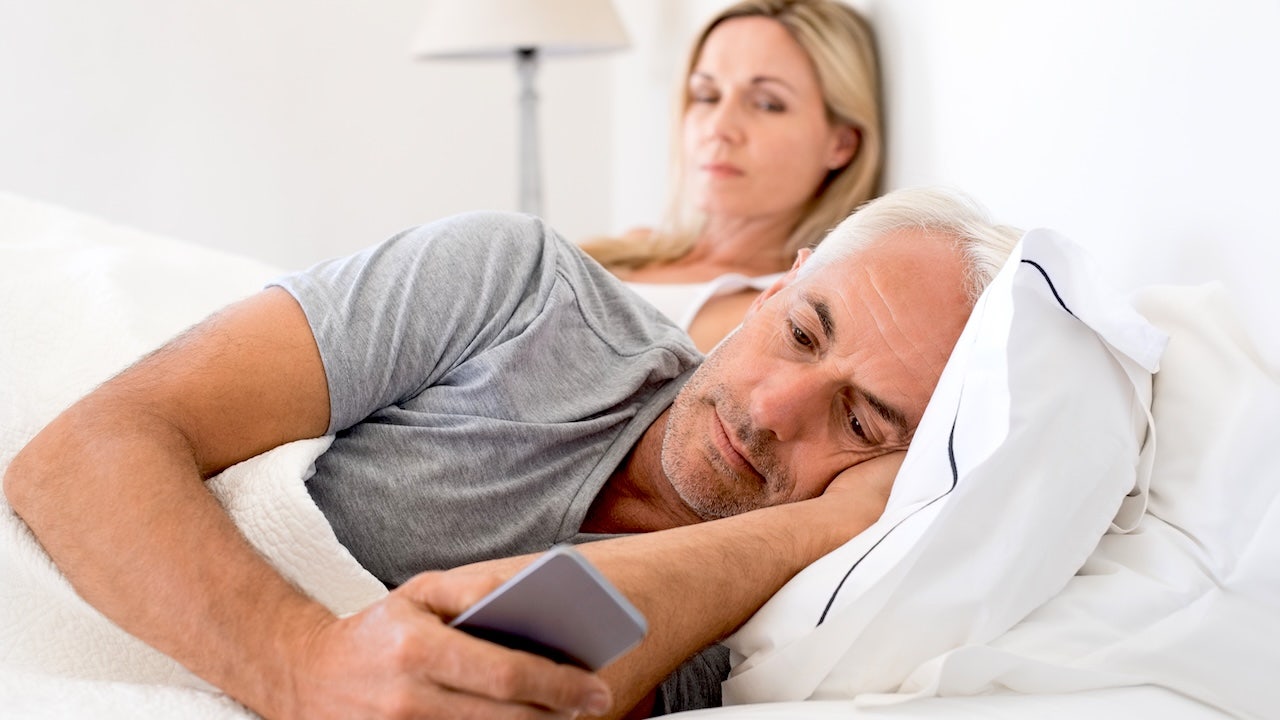
Night scrolling has emerged as the primary disruptor of Americans’ sleep, according to Dr. Wendy Troxel, a licensed clinical psychologist and senior behavioral scientist at RAND. In a recent interview, she identified smartphone use in bed as the most detrimental habit affecting sleep quality nationwide.
“About 90% of Americans are using their phones in bed,” Dr. Troxel revealed. Despite acknowledging that completely removing phones from the bedroom might be unrealistic for most people, she emphasized the significant negative impact this habit has on sleep patterns.
The sleep disruption occurs through two primary mechanisms. First, the blue light emitted by smartphones suppresses melatonin production—the hormone responsible for regulating sleep cycles. “Blue light can suppress the hormone melatonin, which is the hormone of darkness,” Dr. Troxel explained.
However, the problem extends beyond just blue light exposure. The content consumed on phones plays an equally disruptive role. “It’s really the stimulating content that we’re consuming… social media, which is designed to be addictive, so that you can’t put that phone down,” she noted.
This phenomenon has intensified as social media platforms have perfected algorithms designed to maximize engagement and screen time. The constant scrolling through emotionally charged content keeps the brain in an alert state—precisely the opposite of what’s needed for quality sleep.
The psychological impact is particularly concerning. Dr. Troxel described the content as “very emotionally activating,” creating a mental state that is “antithetical to the state we want to be in as we approach sleep.” This activation triggers the body’s stress response system, making it difficult to transition into the relaxed state necessary for falling asleep.
Sleep deprivation has become a significant public health concern in recent years. According to the Centers for Disease Control and Prevention, approximately one-third of American adults regularly get less than the recommended seven hours of sleep. This chronic sleep deficit has been linked to increased risk of numerous health conditions, including heart disease, diabetes, obesity, and depression.
Rather than suggesting the elimination of phones entirely—a solution she admits is unlikely to be adopted—Dr. Troxel recommends implementing a simple boundary: keep phones more than an arm’s length away while in bed.
“Set a rule for yourself—if you’re going to use the phone, don’t do it in bed. In fact, make your feet be on the floor if you’re going to use that phone,” she advised. This approach creates what she calls “behavioral friction,” making it slightly more difficult to engage in automatic phone-checking behavior.
As a clinical psychologist who specializes in helping people break unhealthy habits, Dr. Troxel explained that even small obstacles can be effective in disrupting established patterns. “Having that little bit of behavioral friction makes the habit of immediately grabbing for the phone and scrolling while in bed a little more difficult. And when that automatic behavior is a little more difficult, it’s less likely to occur.”
Sleep experts also recommend establishing a consistent bedtime routine that doesn’t involve screens, beginning at least 30-60 minutes before sleep. Alternative activities like reading physical books, practicing relaxation techniques, or engaging in gentle stretching can help signal to the body that it’s time to wind down.
As digital device usage continues to dominate modern life, finding ways to create healthy boundaries with technology has become increasingly important for maintaining overall wellbeing. For those struggling with sleep issues, addressing nighttime phone use might be the most impactful first step toward better rest.
Fact Checker
Verify the accuracy of this article using The Disinformation Commission analysis and real-time sources.

20 Comments
Interesting insights from the sleep expert on the impact of smartphone use on sleep quality. Seems like a tough habit to break, but the health benefits of getting quality rest could be significant.
I agree, the blue light and stimulating content on phones can really disrupt our sleep cycles. It’s a common issue that many of us struggle with.
Glad to see research being done on this prevalent issue. While completely removing phones from the bedroom may not be realistic, being more mindful of our usage and establishing healthier habits could go a long way.
Agreed. Small changes like setting phone usage time limits or using night mode features could make a noticeable difference in sleep quality without drastically altering our routines.
The findings on the impact of smartphone use on sleep quality are concerning, but not entirely surprising. It’s a complex problem that likely requires a multi-faceted approach to address effectively.
Agreed. While individual behavior change is important, broader societal and technological solutions may also be needed to help people develop healthier digital habits.
The sleep expert’s insights on the role of blue light and stimulating content are quite compelling. I wonder if there’s any data on the economic costs associated with poor sleep due to these factors.
That’s a great question. The impact on productivity, healthcare, and overall quality of life could be significant if this issue is as widespread as suggested.
As someone who struggles with getting quality sleep, I found this article quite relatable. The expert’s recommendations around reducing phone use before bed seem like a simple yet impactful change to try.
I’m in the same boat. Small tweaks to our digital habits could make a big difference in helping us get the rest we need. Worth a try for sure.
This is a timely topic given the prevalence of smartphone addiction. The sleep expert’s insights on the mechanisms behind the disruption are eye-opening. I wonder if there are any tips or tools she recommends to help people curb their late-night phone habits.
Good point. Practical strategies like setting screen time limits, using blue light filters, and establishing tech-free wind-down routines could be helpful for those struggling with this issue.
Fascinating to see the sleep expert break down the two primary mechanisms by which smartphone use disrupts sleep – the blue light suppressing melatonin production and the stimulating content keeping us engaged. This sheds light on a complex issue.
Very insightful analysis. It’s clear that both the physiological and psychological aspects of smartphone use contribute to the sleep disruption problem.
Smartphones have become ubiquitous, but this research highlights how their overuse before bed can be detrimental to our health. It’s a good reminder to be more mindful of our digital habits.
Absolutely. Putting the phone down earlier and establishing a relaxing pre-bed routine could go a long way in improving sleep quality.
While the findings on smartphone use and sleep disruption aren’t entirely surprising, it’s concerning to see the scale of the problem. Hopefully, this research can raise awareness and spur more people to reevaluate their nighttime routines.
Absolutely. Greater awareness and a shift in cultural norms around phone usage before bed could go a long way in addressing this widespread issue.
90% of Americans using phones in bed is a staggering statistic. While convenient, it’s clear this behavior is negatively impacting sleep on a large scale. Curious to see if there are any technological solutions on the horizon to address this issue.
Good point. Innovations like night mode features and sleep-friendly apps could potentially help mitigate the problem. But ultimately, it may come down to developing healthier digital habits.