


Listen to the article
Salt Habit May Signal Health Concerns in Older Adults, Study Finds
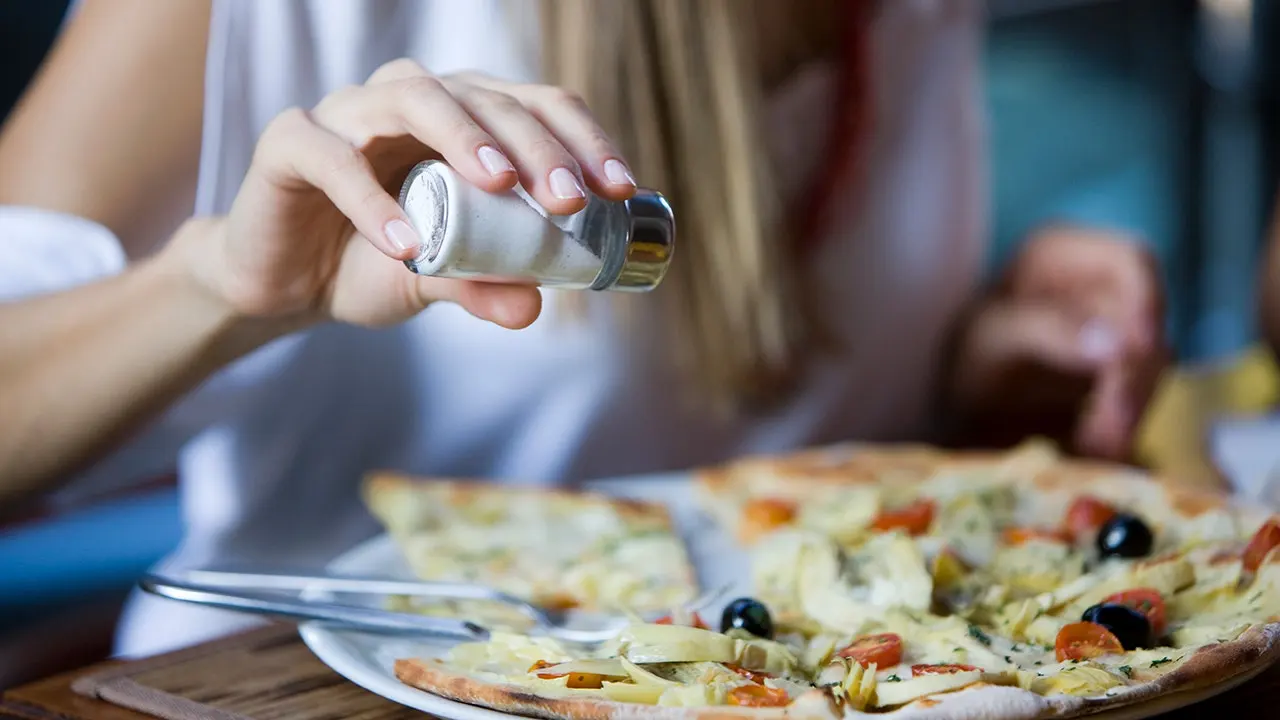
Reaching for the salt shaker at the kitchen table may reveal more than just flavor preferences—it could indicate concerning patterns about your health, according to new research.
A comprehensive Brazilian study published in the journal Frontiers in Public Health has uncovered significant associations between the habit of adding salt to meals and various health behaviors among older adults. The research analyzed national survey data from more than 8,000 Brazilians over age 60, collected between 2017 and 2018.
The findings showed that approximately 10.9% of older adults routinely added salt to their food at the table, with a noticeable gender disparity—12.7% of men compared to 9.4% of women reported this habit.
For men, living alone emerged as a significant factor. Those who lived by themselves had a 62% higher likelihood of using additional salt compared to men living with others. The researchers suggest this may be connected to dining habits, as single men may rely more heavily on takeout food, which typically contains higher sodium levels, potentially altering their taste preferences toward saltier foods.
Diet adherence also played a crucial role. Men not following a prescribed diet for high blood pressure were more than twice as likely to add salt compared to those who followed such dietary guidelines. Similarly, women not adhering to hypertension diets showed a 68% higher likelihood of using extra salt.
The study revealed notable dietary patterns among women who added salt. Those who did not consume fruit were 81% more likely to add salt to their meals, while women who avoided vegetables showed a 40% higher likelihood of the habit. Perhaps most striking was that women whose diets contained high concentrations of ultraprocessed foods were more than twice as likely to add salt, as were those living in urban areas.
These findings align with growing public health concerns about sodium consumption. According to the World Health Organization, diets high in sodium significantly increase blood pressure, raising the risk of heart disease, gastric cancer, obesity, osteoporosis, and kidney disease. The WHO estimates that approximately 1.89 million deaths annually are associated with excessive sodium consumption and recommends that adults consume less than 5 grams of salt per day—roughly under a teaspoon—for optimal health.
While the cross-sectional nature of the study means it can show associations but not prove causation, and some information was self-reported, the findings nevertheless provide valuable insights into dietary behaviors that may contribute to health problems.
Study co-author Dr. Débora Santos, a professor at Rio de Janeiro State University, emphasized practical alternatives to reduce salt consumption. “The use of herbs and natural seasonings as alternatives to salt, or culinary techniques such as using the acidity of citrus fruits, may help reduce discretionary salt use while maintaining food palatability,” she noted. “Practical strategies, such as avoiding the routine placement of saltshakers on the table, may also help reduce habitual salt use.”
Los Angeles-based registered dietitian nutritionist Ilana Muhlstein, who was not involved in the study, confirmed that these findings align with her professional observations. “It’s interesting that this study found that men were significantly more likely to add salt to their food compared to women, because this is an observation I’ve had as well,” Muhlstein said.
She suggested that women may be more “bloat-conscious” and potentially better informed about both the medical consequences of excessive salt intake and its cosmetic effects, such as water retention making jewelry difficult to remove.
Muhlstein found the study’s conclusion about low blood pressure diets positively influencing salt intake particularly encouraging. “This should encourage HHS and public health officials to promote nutrition education and the importance of whole foods, less processed foods and reduced salt intake overall,” she said.
As populations age globally, understanding these dietary habits and their health implications becomes increasingly important for developing targeted interventions and nutritional guidelines for older adults.
Fact Checker
Verify the accuracy of this article using The Disinformation Commission analysis and real-time sources.

9 Comments
Interesting findings on the link between salt habits and health risks in seniors. I wonder if this could be addressed through public health education campaigns to promote better nutrition awareness and dining habits, especially for those living alone.
Agreed, providing more resources and support for healthy eating among the elderly, especially those who may be isolated, could make a real difference.
While the association between salt usage and poorer health seems clear, I wonder if there are any confounding factors, such as income, education, or access to fresh, healthy foods, that could also play a role in these findings.
That’s a good point. Examining the socioeconomic and environmental influences on dietary habits would be valuable to fully understand the nuances of this relationship.
The higher likelihood of salt usage among men living alone is an important observation. Targeted outreach and support for single older men may be an effective way to promote healthier eating habits and improve overall wellbeing.
The gender disparity in salt usage is intriguing. I’d be curious to learn more about the underlying social and cultural factors that may contribute to this difference between men and women.
That’s a great point. Exploring the potential societal influences on dietary habits by gender could yield valuable insights to improve health outcomes for both men and women as they age.
This research highlights the importance of considering the dining environment and living situation when examining nutrition-related health risks in the elderly population. Holistic approaches may be needed to address these complex issues.
As someone who works in the food industry, I’m curious to see if these findings could inform product development or marketing strategies to help seniors make healthier choices, especially for convenience meals and takeout options.