


Listen to the article
Common Bacterium Linked to Alzheimer’s Progression in Groundbreaking Study
A common bacterium responsible for sinus infections and pneumonia may contribute to the worsening of Alzheimer’s disease, according to a groundbreaking study published in Nature Communications.
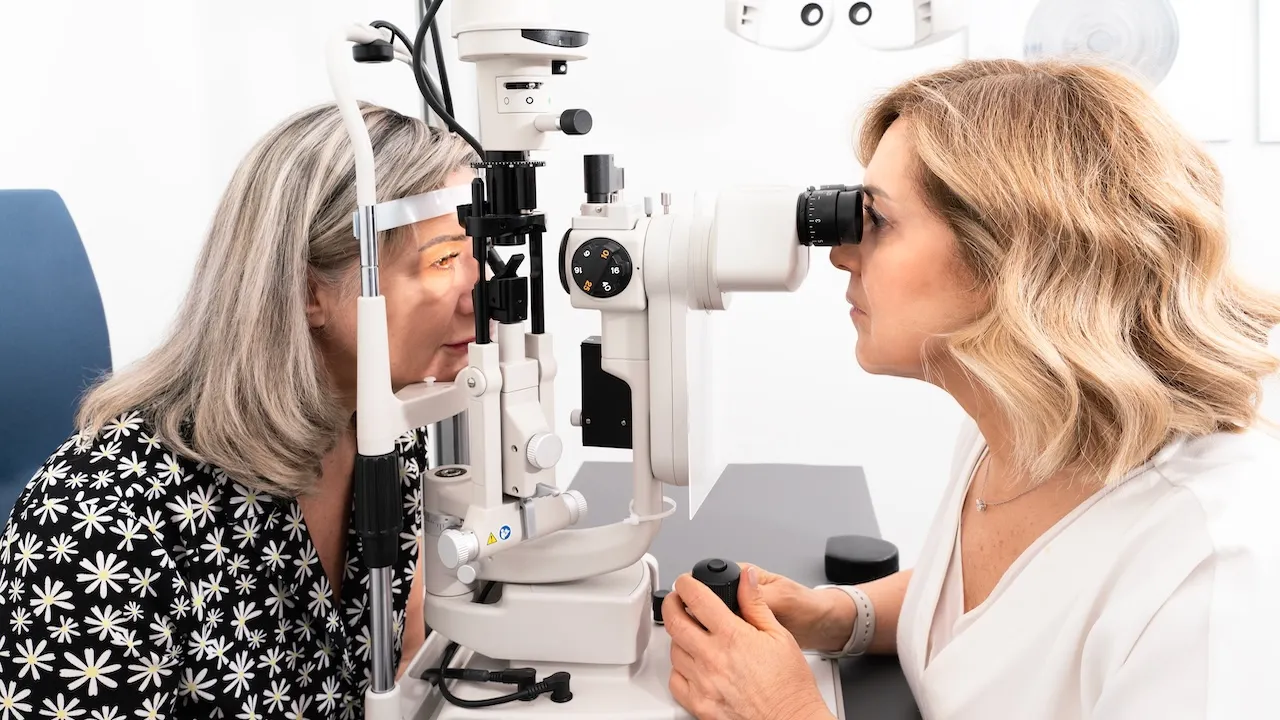
Researchers from Cedars-Sinai’s Health Sciences University in California discovered Chlamydia pneumoniae in the eyes of deceased Alzheimer’s patients, suggesting a potential new factor in the disease’s progression.
“The retina is directly connected with the brain. It’s a developmental extension of the brain,” explained lead researcher Maya Koronyo-Hamaoui, PhD, professor of neurosurgery, neurology and biomedical sciences at Cedars-Sinai Health Sciences University.
The study revealed that Chlamydia pneumoniae can reach the retinal tissue lining the back of the eye and persist for years, triggering an inflammatory response potentially linked to nerve cell death. This inflammation could exacerbate cognitive decline and worsen Alzheimer’s symptoms.
These findings open new possibilities for Alzheimer’s therapies targeting inflammation and providing antibiotic treatment in early infection stages. Koronyo-Hamaoui suggested this could change clinical practice: “When people present with pneumonia or respiratory infection symptoms, doctors should consider testing specifically for Chlamydia pneumoniae, and then provide the appropriate antibiotic.”
The bacterium can be identified through various laboratory methods, including PCR testing, blood tests, or cultures that allow live organisms to grow for analysis.
In their comprehensive investigation, the researchers examined retinal tissue samples from more than 100 deceased individuals across three groups: those with Alzheimer’s disease, those with some cognitive deficits, and those without the disease. Using advanced imaging techniques, protein analysis, and genetic testing, they found significantly higher levels of the bacterium in the brains and retinal tissue of Alzheimer’s patients compared to those with normal cognition.
The study also revealed a genetic component to the relationship between the bacterium and Alzheimer’s. Higher levels of Chlamydia pneumoniae were found in individuals carrying the APOE4 gene variant, a known risk factor for Alzheimer’s disease. The presence of the bacterium was also associated with more severe cognitive decline.
Further supporting their findings, the Cedars-Sinai team investigated human neurons and laboratory mice with Alzheimer’s disease. They observed that Chlamydia pneumoniae was linked to increased inflammation, nerve cell death, and cognitive decline, reinforcing the theory that it may accelerate the disease’s progression.
Notably, the infection also triggered production of amyloid-beta, a protein that accumulates in the brains of Alzheimer’s patients and is considered a hallmark of the disease.
While these results suggest the retina could serve as a diagnostic window for monitoring Alzheimer’s, Koronyo-Hamaoui acknowledged that additional research is necessary to confirm these findings.
Medical experts not involved in the study urge caution in interpreting the results. Dr. Aaron Glatt, chief of infectious diseases at Mount Sinai South Nassau and spokesperson for the Infectious Diseases Society of America, described the findings as “interesting” but emphasized they show only an association, not causation.
“Chlamydia pneumoniae is a very common respiratory pathogen that many people are exposed to throughout their lives,” Glatt noted. “While the study identifies a link between this bacterium and neurodegeneration, a standard sinus infection does not mean a patient will develop Alzheimer’s.”
Dr. Sharon Fekrat, a clinical spokesperson for the American Academy of Ophthalmology and retina specialist at Duke University School of Medicine, agreed that the findings could enhance understanding of how inflammation drives disease progression and potentially lead to new detection or treatment methods.
“This is early research suggesting that infection-related inflammation may worsen Alzheimer’s disease in people who are already vulnerable,” Fekrat clarified. “It does not mean infections cause Alzheimer’s or that people should worry about past respiratory illnesses.”
While some research teams are developing retinal imaging tools for living patients, these methods aren’t yet part of routine clinical screenings or diagnosis. For now, experts recommend following established brain-healthy habits, including managing cardiovascular risk factors, staying mentally and socially engaged, and seeking medical care for any cognitive symptoms.
This study represents an important step forward in understanding the complex factors contributing to Alzheimer’s disease, potentially opening new avenues for early detection and treatment of this devastating condition that affects millions worldwide.
Fact Checker
Verify the accuracy of this article using The Disinformation Commission analysis and real-time sources.

8 Comments
Fascinating connection between respiratory bacteria and Alzheimer’s progression. This could lead to new avenues for diagnosis and treatment targeting inflammation and infection. Definitely an area worth further research.
Agreed, the link between the eye and the brain is intriguing. Monitoring eye infections may provide early insights into Alzheimer’s development.
Fascinating that a common sinus infection bacteria could be linked to Alzheimer’s progression. This opens up new potential treatment avenues targeting inflammation and infection rather than just the symptoms. Definitely worth keeping an eye on this research.
So the bacteria can travel from the sinuses to the retina and persist for years, triggering inflammation? That’s quite concerning, but opens up potential new therapies. I wonder if antibiotics could help in the early stages.
Yes, the idea of using antibiotics to target the infection early on is an interesting possibility worth exploring further. This could be a game-changer if it proves effective.
This is an important finding, as it suggests Alzheimer’s may have an infectious component. I’m curious to see if this bacterium is found in other neurodegenerative diseases as well. Could be a common thread worth investigating.
The retina being a developmental extension of the brain makes a lot of sense in this context. I wonder if screening for this bacteria in the eyes could become a diagnostic tool for Alzheimer’s in the future.
I’m curious to learn more about how this bacterium could trigger the inflammatory response and nerve cell death that exacerbates cognitive decline. The eye-brain connection is really intriguing.