


Listen to the article
Oprah Winfrey Highlights Family Estrangement Crisis, Sparking Controversy
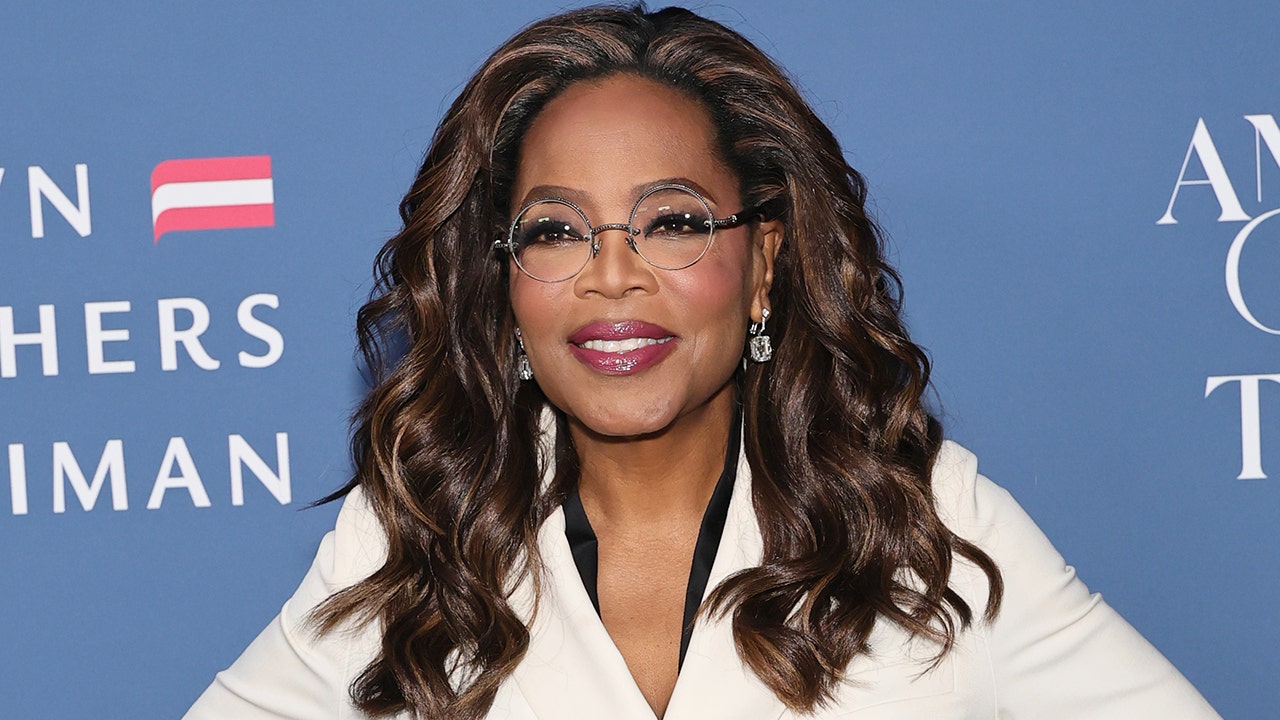
Oprah Winfrey has thrust the issue of family estrangement into the spotlight, describing it as “one of the fastest-growing cultural shifts of our time” and a “silent epidemic” that intensifies during holiday seasons. On a recent episode of “The Oprah Podcast,” Winfrey cited Cornell University research indicating that nearly one-third of Americans are actively estranged from a family member.
However, her commentary has drawn criticism from relationship experts who suggest Winfrey may have played a role in normalizing family separation. Tania Khazaal, a family and relationship coach focused on combating what she calls “cutoff culture,” has publicly challenged Winfrey’s apparent surprise at the phenomenon.
“Now Oprah is shocked by the aftermath of estrangement, after being one of the biggest voices pushing it for decades,” Khazaal said in an Instagram video that garnered over 27,000 likes. The Canada-based coach claims Winfrey’s messaging began in the 1990s and has contributed significantly to a culture where walking away from family has become a first resort rather than a last option.
According to Khazaal, millennials who grew up watching Winfrey’s show are now the demographic most likely to cut ties with family members. “She hosts a discussion with estranged parents and estranged kids, speaking on estrangement like it’s some hidden, sudden, heartbreaking epidemic that she had no hand in,” Khazaal remarked in her widely shared video.
The relationship coach told Fox News Digital that while she believes discussions about estrangement are necessary, people shouldn’t “rewrite history.” She emphasized that “estrangement isn’t entertainment or a trending conversation piece. It’s real families, real grief, parents dying without hearing their child’s voice.”
Reports indicate that Winfrey initially responded to Khazaal’s criticism in a comment, offering to have her producer contact her for a conversation, though the comment was allegedly deleted after receiving backlash. Khazaal maintains she would still welcome such a discussion.
“The first thing I’d want her to understand is simple: Setting aside cases of abuse or danger, the family unit is the most sacred structure we have,” Khazaal stated. “When children lose their sense of belonging at home, they search for it in the outside world. That’s contributing to the emotional fragility we’re seeing today.”
The debate has intensified online, with divided public opinion. Some social media users support Khazaal’s perspective, with one commenting, “The first time I heard, ‘You can love them from a distance’ was from Oprah… in the ’90s.” Another shared personal pain: “My son estranged himself from us for five years. The pain, hurt and damage never goes away.”
Others have defended Winfrey, arguing that her podcast approach was empathetic and that family estrangement is too complex to be reduced to one celebrity’s influence.
Mental health experts note that the conversation reflects broader cultural shifts beyond any single media personality’s impact. In Winfrey’s podcast episode, psychologist Joshua Coleman observed, “The old days of ‘honor thy mother and thy father,’ ‘respect thy elders’ and ‘family is forever’ has given way to much more of an emphasis on personal happiness, personal growth, my identity, my political beliefs, my mental health.”
Coleman also pointed out that therapists sometimes inadvertently become “detachment brokers” by encouraging estrangement.
Jillian Amodio, a licensed master’s social worker at Maryland’s Waypoint Wellness Center, suggested to Fox News Digital that what may appear as an increase in estrangement could simply reflect greater openness about a previously private issue. “Estrangement used to be handled privately and quietly,” she explained.
Despite the contentious debate, experts emphasize that even deeply strained relationships can be repaired with proper support. Susan Foosness, a clinical director at Rula Health in North Carolina, recommends that families work with mental health professionals to improve communication, develop healthier conflict resolution skills, and build trust through quality time.
“No family is perfect,” Foosness noted, while Khazaal added, “Parents need to learn how to listen without slipping into justification, and children need help speaking about their pain without defaulting to blame or avoidance.”
As the discussion continues, it highlights the complex intersection of personal boundaries, family obligations, and the evolving understanding of mental health in modern American culture.
Fact Checker
Verify the accuracy of this article using The Disinformation Commission analysis and real-time sources.

11 Comments
Interesting take, though I’m not convinced Oprah is solely responsible for the rise in family estrangement. Societal shifts often have multiple factors at play. Relationship experts raising awareness is valuable, but the issue deserves careful, balanced analysis.
While Oprah has certainly discussed family estrangement, I’m skeptical that she is solely responsible for ‘normalizing’ it. Family rifts often stem from deep-rooted issues that defy simple explanations. This topic deserves nuanced discussion.
Agreed. Blaming a public figure like Oprah overlooks the multifaceted nature of family estrangement. There are likely cultural, economic, and psychological factors at play that warrant careful examination.
This is a sensitive issue without easy answers. Relationship experts raising awareness is good, but directly accusing Oprah seems like an oversimplification. Family dynamics are complex, and societal trends have many contributing causes.
Well said. While Oprah’s messaging may have played a role, it’s an oversimplification to claim she single-handedly created a ‘cutoff culture.’ This is a nuanced topic requiring thoughtful, evidence-based discussion.
This is a complex social phenomenon without easy answers. While Oprah’s messaging may have played a role, directly blaming her for ‘normalizing’ family estrangement seems overly simplistic. Thoughtful, evidence-based discussion is needed to understand the root causes.
Interesting perspective, though I’m not convinced Oprah is solely responsible for the rise in family estrangement. Relationship experts raising awareness is valuable, but the issue deserves careful, balanced analysis that considers various societal factors at play.
This is a complex social issue without easy answers. While Oprah’s influence shouldn’t be dismissed, directly blaming her for ‘normalizing’ family estrangement seems overly simplistic. Thoughtful, evidence-based discussion is needed to understand the root causes.
This is an interesting perspective on Oprah’s influence. Relationship experts raising awareness of the ‘cutoff culture’ and its long-term impacts is valuable. However, the complexities of family dynamics shouldn’t be oversimplified.
You raise a fair point. Oprah’s messaging may have contributed, but there are likely many societal factors driving the increase in family estrangement. Thoughtful analysis is needed to understand this complex issue.
Family estrangement is a sensitive and multifaceted issue. While Oprah has discussed it, claiming she single-handedly created a ‘cutoff culture’ seems like an oversimplification. Societal trends often have numerous contributing factors that warrant nuanced examination.