


Listen to the article
Brief Oatmeal Diet Shows Significant Cholesterol-Lowering Effects, Study Finds
A short-term diet centered around oatmeal could significantly reduce cholesterol levels, according to recent research from the University of Bonn in Germany. The study found that consuming oats for just two days led to measurable improvements in participants’ cholesterol profiles that remained stable for weeks afterward.
Researchers conducted a trial where adults with metabolic syndrome—a condition associated with increased diabetes risk characterized by high body weight, elevated blood pressure, high blood glucose, or elevated blood lipid levels—consumed a calorie-reduced diet consisting almost exclusively of oatmeal.
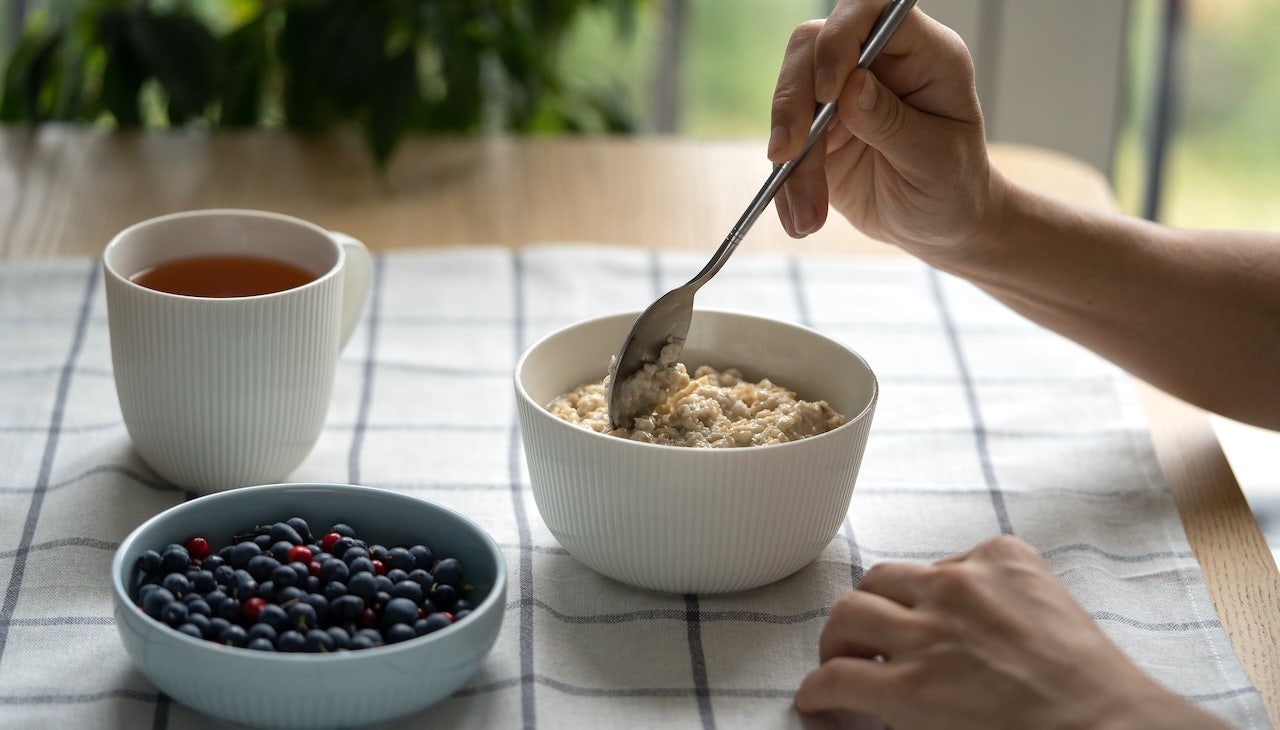
The 32 participants ate oatmeal three times daily, consuming 300 grams in total. They were permitted to add only fruits or vegetables to their meals and consumed approximately half their normal caloric intake during the two-day intervention period.
A control group followed a similarly calorie-reduced diet but without oats. While both groups showed health improvements, those on the oat diet experienced significantly better cholesterol outcomes.
“The level of LDL, or ‘bad,’ cholesterol among the oatmeal-eating group was reduced by 10%,” explained study author Marie-Christine Simon, junior professor at the Institute of Nutritional and Food Science at the University of Bonn. “That is a substantial reduction, although not entirely comparable to the effect of modern medications.”
Beyond cholesterol reduction, participants on the oat diet lost an average of two kilograms (about 4.4 pounds) and experienced a slight decrease in blood pressure. Even more remarkable, these positive effects remained stable six weeks after the initial two-day intervention.
The research team, who published their findings in the journal Nature Communications, concluded that the diet positively influenced gut microbiome composition, leading to these beneficial health outcomes. The prebiotic fiber in oats appears to feed beneficial gut bacteria, which then produce compounds that support digestive health and cholesterol regulation.
“The more beneficial gut bacteria you have in your stomach environment, the more that can reduce or inhibit the production of LDL bad cholesterol,” explained Robin DeCicco, a certified holistic nutritionist not involved in the study.
Oats offer several nutritional advantages that make them particularly effective for heart health. As a whole grain naturally low in saturated fat and rich in fiber, oats provide a good amount of plant-based protein—all factors that contribute to a heart-healthy, cholesterol-lowering diet.
Based on these findings, Simon suggested that a short-term oat-based diet implemented at regular intervals “could be a well-tolerated way to keep the cholesterol level within the normal range and prevent diabetes.” She indicated that future research would explore whether an intensive oat-based diet repeated every six weeks might have a permanently preventative effect.
Health experts caution, however, that diabetic or pre-diabetic individuals should approach oat consumption carefully due to its relatively high carbohydrate content. “While oats can lower cholesterol, they are an overly high-carbohydrate food,” DeCicco noted. She recommended that those monitoring blood sugar should focus on foods lower in starch and higher in protein and fiber, obtaining carbohydrates primarily from vegetables and nuts.
Megan Wroe, a registered dietitian at Providence St. Jude Medical Center in California, recommends choosing steel-cut or rolled oats over instant varieties, using fruit for sweetness instead of added sugar, and incorporating protein sources like chia or flax seeds, protein powder, or Greek yogurt to balance the carbohydrate content.
For most people without specific dietary restrictions, incorporating oats regularly appears to offer substantial cardiovascular benefits with minimal risk, positioning this common breakfast food as a potential therapeutic dietary intervention for managing cholesterol levels.
Fact Checker
Verify the accuracy of this article using The Disinformation Commission analysis and real-time sources.

20 Comments
Production mix shifting toward Health might help margins if metals stay firm.
If AISC keeps dropping, this becomes investable for me.
Good point. Watching costs and grades closely.
Good point. Watching costs and grades closely.
The cost guidance is better than expected. If they deliver, the stock could rerate.
Nice to see insider buying—usually a good signal in this space.
Good point. Watching costs and grades closely.
Good point. Watching costs and grades closely.
The cost guidance is better than expected. If they deliver, the stock could rerate.
The cost guidance is better than expected. If they deliver, the stock could rerate.
Good point. Watching costs and grades closely.
Good point. Watching costs and grades closely.
Production mix shifting toward Health might help margins if metals stay firm.
Production mix shifting toward Health might help margins if metals stay firm.
Uranium names keep pushing higher—supply still tight into 2026.
Good point. Watching costs and grades closely.
I like the balance sheet here—less leverage than peers.
Good point. Watching costs and grades closely.
The cost guidance is better than expected. If they deliver, the stock could rerate.
Good point. Watching costs and grades closely.