


Listen to the article
Newborn’s Death Linked to Raw Milk Consumption During Pregnancy, Officials Warn
A newborn baby in New Mexico has died from a Listeria infection that health officials believe was most likely contracted when the mother consumed unpasteurized milk during pregnancy, prompting state authorities to issue an urgent warning about the dangers of raw dairy products.
The New Mexico Department of Health released a statement Tuesday urging residents to avoid raw milk following the infant’s death. While investigators could not definitively determine the exact source of the infection, they emphasized that this “tragic death underscores the serious risks raw dairy poses to pregnant women, young children, elderly New Mexicans and anyone with a weakened immune system.”
“Individuals who are pregnant should only consume pasteurized milk products to help prevent illnesses and deaths in newborns,” said Dr. Chad Smelser, deputy state epidemiologist for the New Mexico Department of Health.
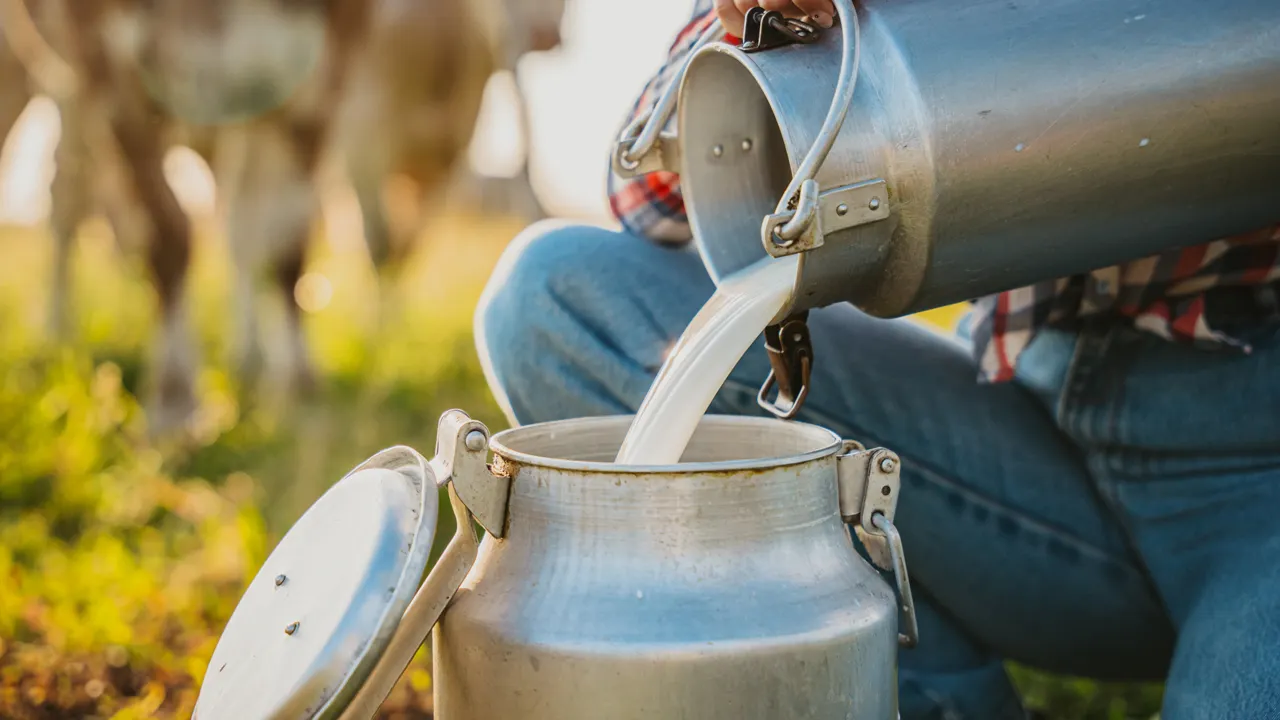
Raw milk has gained popularity recently, particularly amid the “Make America Healthy Again” movement championed by Health and Human Services Secretary Robert F. Kennedy Jr. Unlike commercially available milk, raw milk has not undergone pasteurization—a critical process that heats milk to kill disease-causing bacteria and other pathogens.
The federal regulatory landscape for raw milk is complex. The U.S. Food and Drug Administration prohibits interstate sales of raw milk, but there is no federal ban on its consumption. This leaves individual states to establish their own regulations regarding its sale and consumption, creating a patchwork of rules across the country.
The Centers for Disease Control and Prevention (CDC) warns that unpasteurized milk and products made from it can harbor dangerous bacteria including Campylobacter, Cryptosporidium, E. coli, Listeria, Brucella, and Salmonella. Of particular concern is Listeria, which ranks as the third leading cause of death from foodborne illness in the United States. CDC data shows Listeria infects approximately 1,250 Americans annually and causes around 172 deaths.
Certain demographic groups face elevated risks from such infections. Children under five years of age, adults over 65, pregnant women, and people with compromised immune systems are particularly vulnerable to severe illness from these pathogens.
Jeff M. Witte, New Mexico’s Secretary of Agriculture, emphasized the importance of pasteurization in food safety: “New Mexico’s dairy producers work hard to provide safe, wholesome products and pasteurization is a vital part of that process. Consumers, particularly those at higher risk, are encouraged to choose pasteurized dairy products to reduce the risk of serious foodborne illness.”
This tragic case in New Mexico follows a pattern of concerning outbreaks linked to raw milk consumption. In August of last year, an outbreak of E. coli and Campylobacter connected to raw milk from a Florida farm sickened 21 people, including six children.
Despite the documented risks, raw milk advocates claim it contains beneficial enzymes and nutrients they believe are diminished during pasteurization. Some proponents also cite taste preferences and philosophical positions about minimal food processing. However, major medical and public health organizations, including the CDC and the American Academy of Pediatrics, consistently warn against consuming unpasteurized dairy products due to the significant health risks they pose.
As the debate around raw milk continues, public health officials remain focused on their primary concern: preventing further tragedies like the one that occurred in New Mexico, where a newborn’s life ended before it truly began due to a preventable foodborne illness.
Fact Checker
Verify the accuracy of this article using The Disinformation Commission analysis and real-time sources.

9 Comments
This is a heartbreaking situation. My condolences go out to the family. The state health department is right to issue this urgent warning about the dangers of raw milk, especially for vulnerable populations.
Agreed. Raw milk can harbor dangerous bacteria like Listeria that pose grave threats, as this tragic case illustrates. Pasteurization is the only way to ensure milk safety.
While raw milk has become more popular, this tragic death underscores why it’s so important for pregnant women to only consume pasteurized dairy products. The dangers clearly outweigh any perceived benefits.
Absolutely. No amount of potential nutritional advantage is worth the very real risk of serious illness or death. Pasteurization is the safe choice.
My heart goes out to the family. This death is a stark reminder of why raw milk consumption, especially by pregnant women, poses such grave dangers. Pasteurization is the only way to ensure milk safety.
Tragic that this newborn lost its life due to the mother’s consumption of raw milk during pregnancy. The health risks are well-known, and I hope this serves as a wake-up call for anyone considering raw dairy.
You’re right, this is an entirely preventable tragedy. Pasteurization should be the standard for milk and dairy products, especially for expectant mothers and young children.
This is a tragic situation. Consuming raw milk during pregnancy can be extremely dangerous, as this case sadly demonstrates. Health authorities are right to warn against the risks, especially for vulnerable groups like pregnant women and infants.
Yes, the risks of raw milk are well-documented. Pasteurization is crucial to eliminate harmful pathogens and protect public health.