


Listen to the article
Organ Donor’s Act of Kindness Leads to Tragic Rabies Death
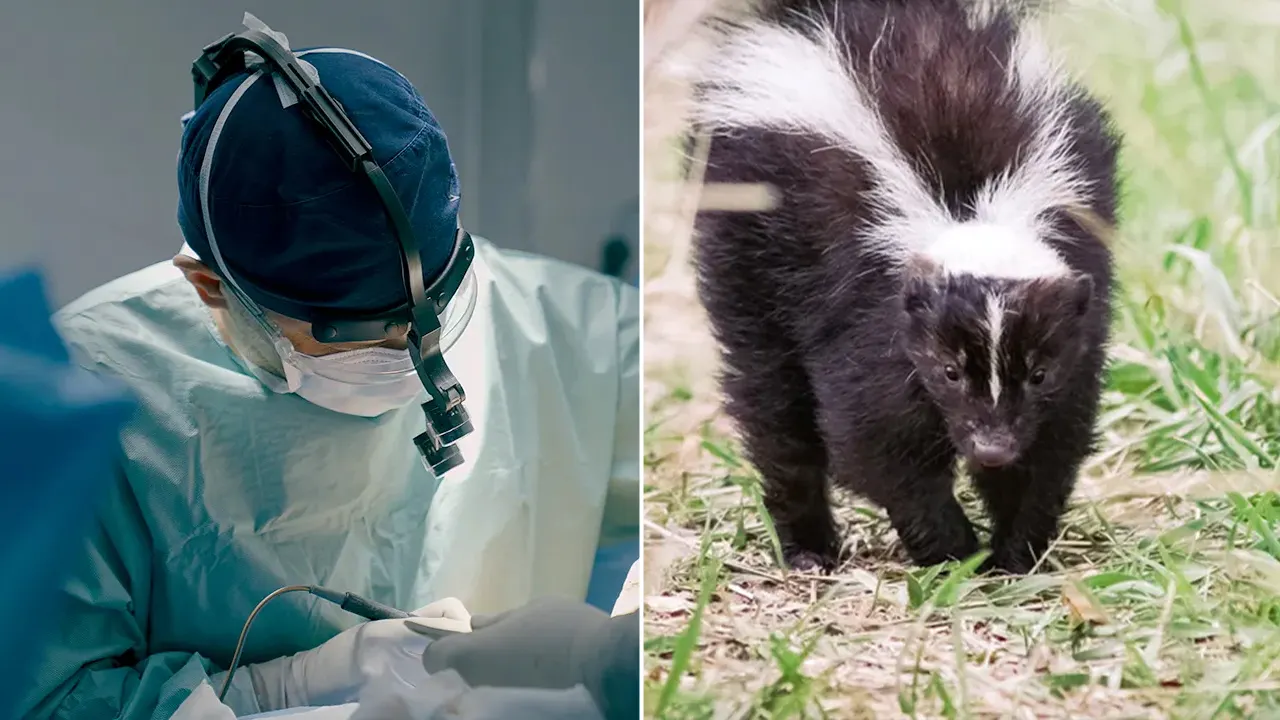
A Michigan organ recipient died from rabies in February after receiving a kidney from a donor who had unknowingly contracted the virus while saving a kitten from a skunk, health officials reported Thursday.
The Centers for Disease Control and Prevention (CDC) revealed that the donor, an Idaho resident, was scratched on the shin during an encounter with a skunk that displayed “predatory aggression” on his rural property in October 2024. The donor sustained a bleeding scratch but did not believe he had been bitten, attributing the skunk’s behavior to aggression toward the kitten he was holding.
Approximately five weeks after the encounter, the donor began experiencing hallucinations, difficulty swallowing, trouble walking, and neck stiffness. He was later found unresponsive at home after a suspected heart attack. Although medical personnel revived him at a hospital, he was eventually declared brain-dead and removed from life support.
The donor’s organs were subsequently harvested for transplantation after his family documented the skunk encounter in a donor risk assessment. However, the CDC noted that the assessment form did not specifically screen for rabies due to “its rarity in humans” in the United States.
“Hospital staff members who treated the donor were initially unaware of the skunk scratch and attributed his pre-admission signs and symptoms to chronic comorbidities,” the CDC explained in its report.
The kidney recipient, who underwent transplant surgery in Ohio in December 2024, developed severe symptoms within weeks of the procedure. These included fever, tremors, difficulty swallowing, and hydrophobia (fear of water). Despite hospitalization and “invasive” procedures, the patient died 51 days after receiving the transplant.
Laboratory testing later revealed that the donor had been infected with the silver-haired bat variant of rabies, suggesting the skunk that scratched him had previously been infected by a bat — illustrating how the deadly virus can move through different species.
Three other patients who received corneal tissue from the same infected donor underwent graft removal and received rabies treatment. All three have remained asymptomatic, according to the CDC report.
The agency also conducted extensive contact tracing, reaching out to approximately 370 people who might have been in contact with the infected donor. Health officials recommended 46 of these individuals undergo rabies prophylaxis procedures.
This incident marks the fourth documented case of rabies transmission through organ transplantation in the United States since 1978. Despite this tragedy, health officials emphasize that the risk of such infections remains extremely low in the context of organ transplantation.
The case highlights gaps in the screening process for potential organ donors. “No standard guidance currently exists for addressing reported donor animal exposures by transplant teams,” the CDC stated. In response to this incident, transplant teams are now advised to consult public health officials if a potential donor has recent bites or scratches from animals susceptible to rabies, particularly if the donor exhibited unexplained neurological symptoms.
Rabies remains a serious but preventable disease in the United States. The CDC reports that approximately 1.4 million Americans receive medical attention for possible rabies exposure annually, but fewer than ten people die from the disease each year, largely due to effective prevention and post-exposure treatment protocols.
The case underscores the importance of seeking immediate medical attention after any wild animal encounter that results in injury, as well as the need for more comprehensive screening protocols in organ donation procedures when animal exposures are involved.
Fact Checker
Verify the accuracy of this article using The Disinformation Commission analysis and real-time sources.

11 Comments
Silver leverage is strong here; beta cuts both ways though.
Good point. Watching costs and grades closely.
Production mix shifting toward Health might help margins if metals stay firm.
Good point. Watching costs and grades closely.
The cost guidance is better than expected. If they deliver, the stock could rerate.
Uranium names keep pushing higher—supply still tight into 2026.
Good point. Watching costs and grades closely.
The cost guidance is better than expected. If they deliver, the stock could rerate.
Production mix shifting toward Health might help margins if metals stay firm.
Uranium names keep pushing higher—supply still tight into 2026.
Good point. Watching costs and grades closely.