


Listen to the article
Maine High School Replaces Detention with Therapeutic Hiking Program
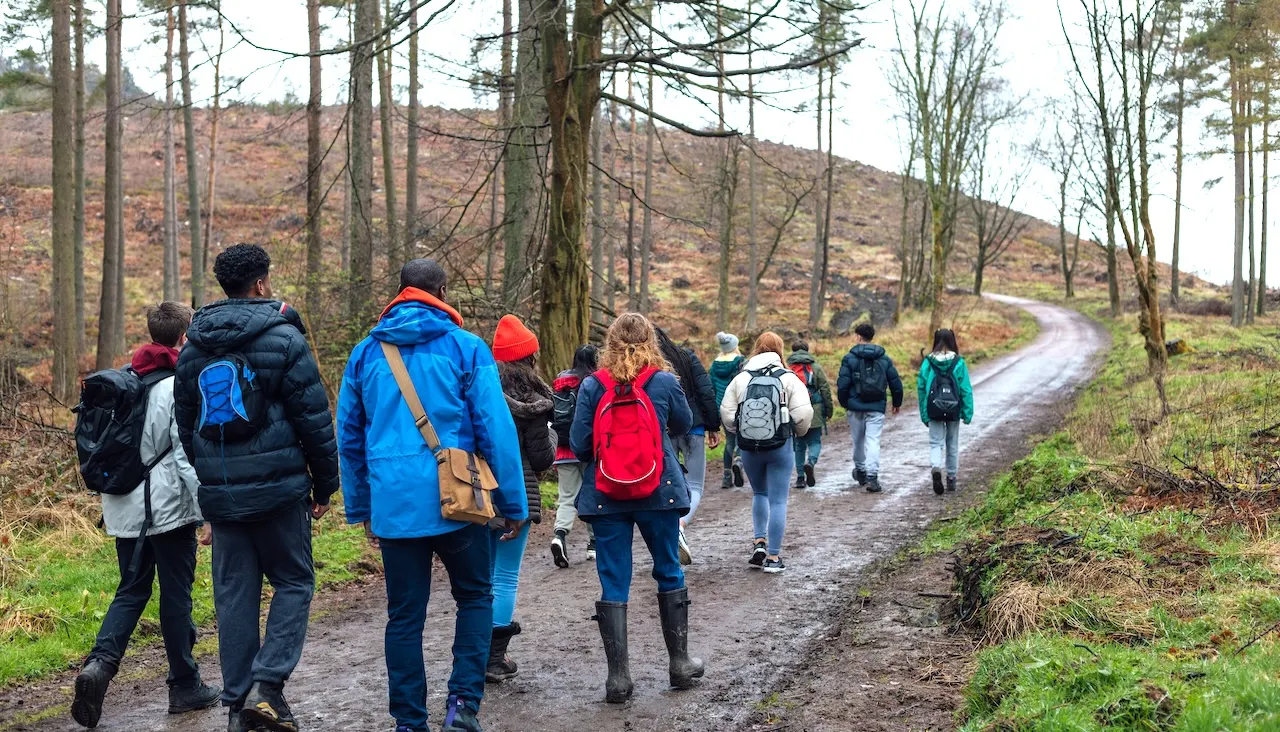
A high school in Maine has introduced an innovative approach to school discipline by replacing traditional detention with guided hikes through nearby natural areas. Morse High School in Bath implemented the “detention hikes” program, which offers students an alternative to sitting in a classroom as punishment for infractions.
The initiative was conceived by school counselor Leslie Trundy, an avid hiker herself, who introduced the concept last year. Initially met with skepticism from students who anticipated boring walks, the program quickly gained popularity as participants discovered the mental and emotional benefits of outdoor activity.
“People seem really different in a good way at the end,” Trundy told The Washington Post. “Kids have even expressed it to me. They’ve said, like, ‘That was really awesome, thank you’… Even if they’re not as vocal about it, I can tell that they’re in a better place.”
The detention hikes cover approximately three miles of local trails. During the excursions, students take a break near a creek where Trundy provides snacks and shares a poem about “starting anew,” creating a reflective moment that reinforces the rehabilitative purpose of the program.
Student Alexander Soto reported that the “rush” he previously felt from breaking school rules was replaced with a new perspective and sense of relaxation after participating in the hiking program. This sentiment was echoed by junior Elsie Nelson-Walling, who attended five detention hikes after getting in trouble for skipping class, something she attributed to difficulty sitting still in a classroom environment.
Nelson-Walling noted that after completing the program, she felt more invested in her education and voluntarily participated in additional hikes even when she wasn’t facing disciplinary action. This unexpected outcome suggests the program may be fostering a positive connection to the school community beyond its intended disciplinary function.
The approach aligns with growing research supporting the health benefits of outdoor activity. A recent study from Mass General Brigham found that even modest amounts of walking could slow brain changes associated with Alzheimer’s disease. Dr. Daniel Amen, founder of Amen Clinics in California, explained to Fox News Digital that walking increases blood flow to the brain, providing cognitive benefits.
Exposure to natural environments offers additional health advantages. Dr. Roger Seheult, a critical care physician and associate clinical professor at the University of California and Loma Linda University, cited research from Japan showing that “phytoncides” — aromatic compounds released by trees — can have healing effects on the body and boost the immune system for up to a week after exposure.
“If you’re living in Manhattan and you were to go to Central Park once a week, studies show that these substances the trees give off can actually have an impact on your innate immune system for up to seven days,” Seheult noted. Sunlight exposure during outdoor activities also helps regulate sleep patterns and enhance mood.
The detention hikes program represents a growing trend toward alternative disciplinary approaches in education. Educational psychologist Dr. Michele Borba emphasizes that effective discipline should be age-appropriate and customized to individual students. She stresses that disciplinary methods must be both responsible and respectful to be effective.
Morse High School’s innovative program highlights a shift in thinking about school discipline, moving away from punitive measures toward approaches that address underlying behavioral issues while promoting physical and mental well-being. By combining natural consequences with physical activity and reflection, the school has created an alternative that students not only accept but actively seek out.
As schools nationwide grapple with effective disciplinary strategies, Morse High School’s hiking program offers a promising model that transforms punishment into an opportunity for growth, health improvement, and community building.
Fact Checker
Verify the accuracy of this article using The Disinformation Commission analysis and real-time sources.

13 Comments
Fascinating approach to school discipline. Exercise and time in nature can have such positive impacts on mental health and behavior. I wonder if other schools will adopt similar programs.
Agreed, this seems like a much more constructive approach than traditional detention. Getting students active and connecting with the outdoors could be really beneficial.
This is a really innovative approach. Swapping detention for guided hikes is a unique way to promote physical and mental wellbeing. It will be interesting to see if other schools follow suit.
I agree, the detention hike program seems like a much more constructive approach than traditional punishments. Connecting with nature could have meaningful impacts on student behavior and outlook.
I like how this program aims to address the root causes of student issues, not just punish. Replacing detention with therapeutic activities is a creative solution. Curious to see the long-term results.
It’s great to see schools exploring alternatives to punitive discipline. This outdoor program sounds like it could help students work through problems in a more positive way.
What an innovative way to address student behavioral issues! Swapping detention for therapeutic hiking programs is a creative solution. I’m eager to see if other schools adopt similar initiatives.
Absolutely, the detention hike program seems like a much more constructive approach than traditional punishments. Getting students active in nature could promote self-awareness and emotional regulation.
The detention hike program is a fascinating concept. Replacing punishment with physical activity and time in the outdoors is a bold move. I’m curious to learn about the long-term impacts on student behavior and wellbeing.
I’m curious to learn more about how the detention hike program has impacted student behavior and attitudes so far. Replacing punishment with reflection and activity in nature sounds like a promising concept.
Agreed, the idea of using guided hikes as an alternative to detention is intriguing. It will be valuable to track whether this approach translates to improved student conduct and wellbeing.
This is an inspiring example of a school taking a more holistic, compassionate approach to student discipline. Replacing detention with outdoor exercise and reflection could have far-reaching benefits.
Replacing detention with an outdoor exercise program is a bold move. It will be fascinating to see if this therapeutic approach leads to better long-term outcomes for students compared to standard disciplinary measures.