


Listen to the article
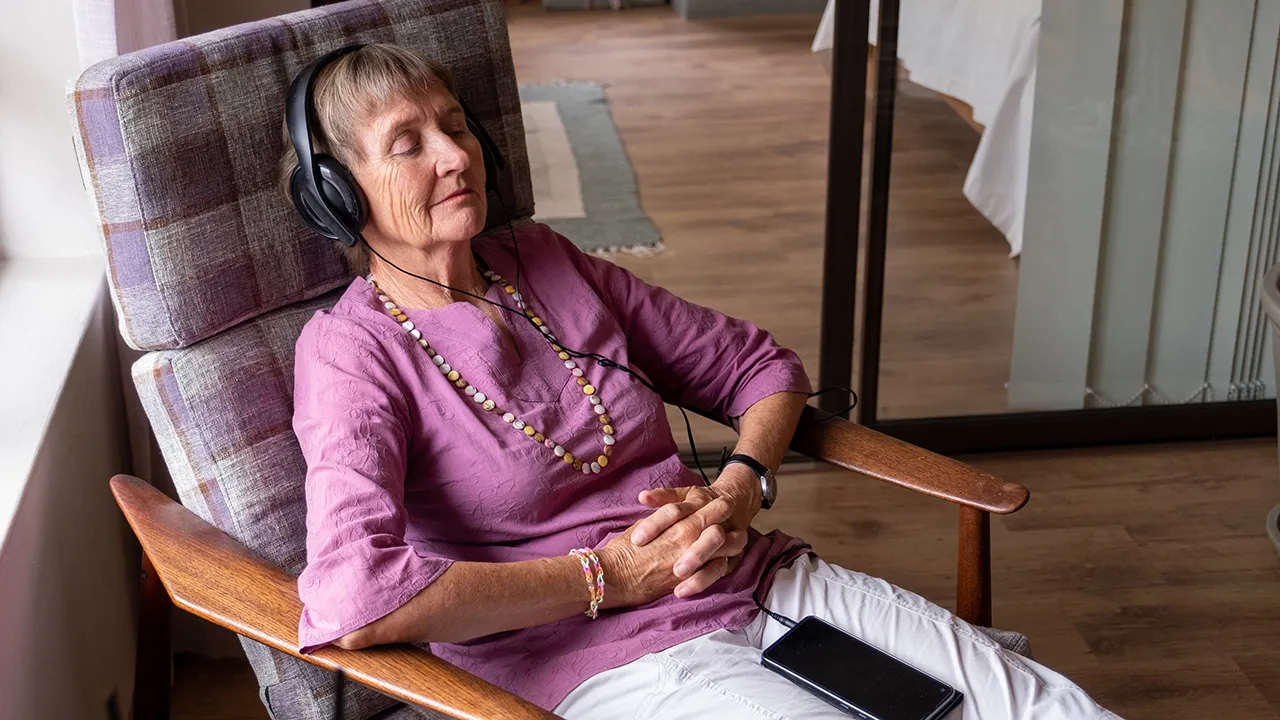
A new study from Monash University suggests that music may hold significant promise in reducing dementia risk among older adults. According to the research, individuals over 70 who regularly listen to music showed nearly 40% lower likelihood of developing cognitive disorders that cause decline in memory and thinking abilities.
The comprehensive study, led by honors student Emma Jaffa and Professor Joanne Ryan, tracked more than 10,800 adults aged 70 and older over several years. Participants were surveyed about their musical habits, indicating whether they always, often, sometimes, rarely or never listened to or played music.
Results revealed impressive protective effects: those who consistently listened to music demonstrated a 39% lower risk of developing dementia and exhibited better memory performance. Similarly, those who played musical instruments showed a 35% lower risk. Engaging in both activities offered even greater protection against cognitive decline.
“With no cure currently available for dementia, the importance of identifying strategies to help prevent or delay onset of the disease is critical,” explained Professor Ryan in a statement. “Evidence suggests that brain aging is not just based on age and genetics but can be influenced by one’s own environmental and lifestyle choices.”
Beyond dementia prevention, the research showed that regularly engaging with music reduced the risk of mild cognitive impairment—a less severe condition than dementia—by 22%. Participants who both listened to and played music scored higher on tests measuring overall cognition and episodic memory, which helps people recall everyday events.
The study represents an important development in dementia research, as the condition currently affects approximately 57 million people worldwide, according to World Health Organization data. While these findings suggest music may provide a simple, accessible way to protect cognitive function, the researchers cautioned that their study does not prove music directly prevents dementia.
“Music activities may be an accessible strategy for maintaining cognitive health in older adults, though causation cannot be established,” the researchers noted in their paper, published last month in the International Journal of Geriatric Psychiatry.
Interestingly, the benefits of music engagement were most pronounced among adults with higher education levels—those who had completed at least 16 years of schooling. Results for individuals with moderate education levels showed more mixed results, suggesting that educational background may influence how music affects cognitive preservation.
This research contributes to a growing body of evidence indicating that creative, social and mentally stimulating activities like music, reading and art may help maintain brain health in later years. A 2022 meta-analysis conducted by researchers from the United States and Japan reported similar cognitive benefits for older adults who play musical instruments.
However, some experts urge caution when interpreting these results. Dr. Morten Scheibye-Knudsen, an associate professor of aging at the University of Copenhagen, recently told BBC Science Focus that while mental stimulation is generally recommended for brain health, scientific evidence remains somewhat inconclusive.
“In general, it is advised to train your brain, but the data is actually not that clear,” Dr. Scheibye-Knudsen noted, explaining that studies on activities like music, puzzles or learning new skills have produced varying results. He added, “There are additional benefits to playing an instrument… including increased social interactions, which has been shown to be very important as we age.”
The social component of music engagement could indeed be a significant factor in its apparent cognitive benefits. Group music activities often involve social interaction, which numerous studies have identified as critical for maintaining mental health in older populations.
As the global population ages and dementia rates rise, these findings offer promising implications for public health initiatives and personal lifestyle choices. For many seniors, incorporating more music into daily routines could represent a pleasurable and potentially beneficial activity for long-term brain health.
Fact Checker
Verify the accuracy of this article using The Disinformation Commission analysis and real-time sources.

10 Comments
The findings on music playing being associated with a 35% lower dementia risk are also quite compelling. Actively engaging with music through an instrument seems to provide added cognitive benefits. This is an intriguing area for further exploration.
Absolutely. The combined protective effects of both listening to and playing music are especially noteworthy. Maintaining an active musical practice later in life could be a powerful tool in the fight against dementia.
As someone with grandparents who have dealt with dementia, I find this study very encouraging. Anything that can help delay the onset of cognitive decline is hugely valuable. Music’s therapeutic power continues to impress.
I’m sorry to hear about your grandparents’ struggles with dementia. This research does offer hope that simple lifestyle changes like regular music listening could make a meaningful difference for many families.
While the results are promising, I would caution against overstating the conclusions. More research is still needed to fully understand the relationship between music engagement and dementia risk reduction. Factors like socioeconomic status, education, and overall lifestyle should be accounted for.
That’s a fair point. Isolating the specific impacts of musical activities will require carefully designed longitudinal studies that control for potential confounding variables. The current findings are intriguing, but further validation is warranted.
This is great news for music enthusiasts. The cognitive benefits of regularly engaging with music seem quite substantial. I wonder if certain genres or styles are more impactful than others when it comes to reducing dementia risk.
That’s a good point. The type and complexity of the music listened to could potentially play a role. Exploring musical preferences and their impacts would be an insightful avenue for further research.
Fascinating study! Listening to music in our later years could be a simple yet powerful way to ward off dementia. I’m curious to learn more about the potential mechanisms at play and how the effects compare to other lifestyle interventions.
Agreed, the 40% reduction in dementia risk is quite remarkable. I’m eager to see if these findings can be replicated in other large-scale studies.