


Listen to the article
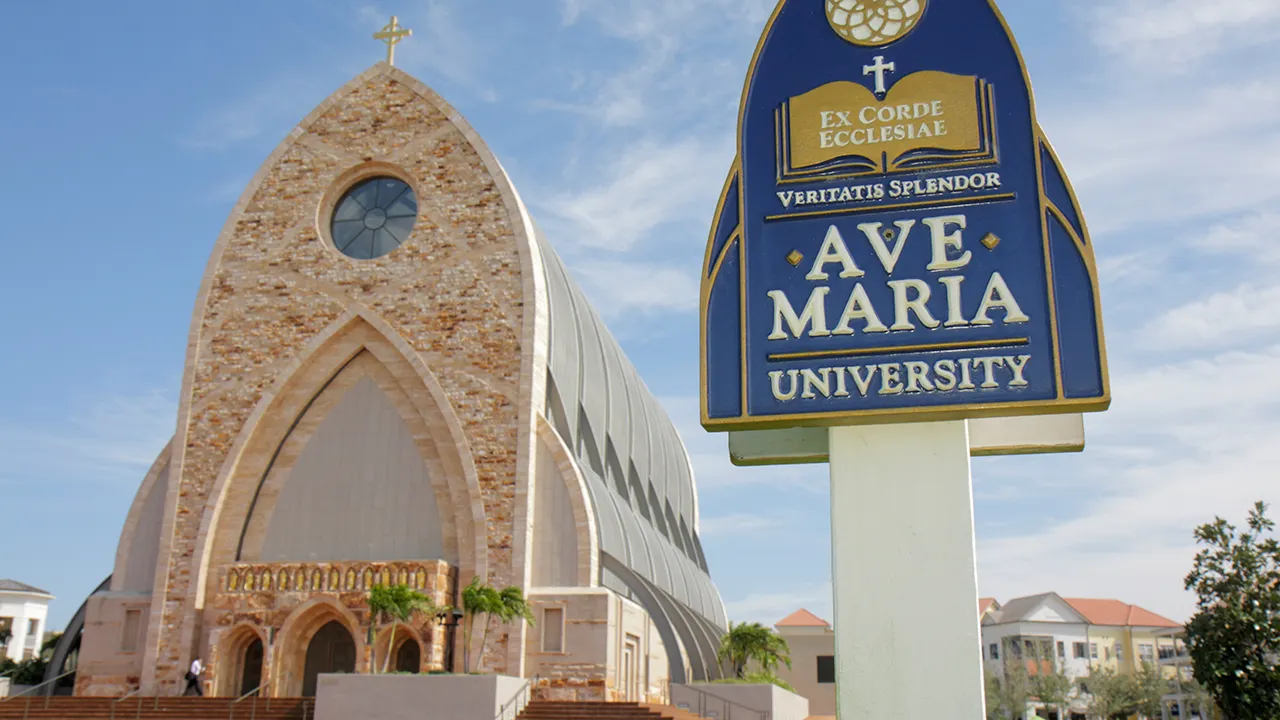
More than 40 measles cases have been reported at Ave Maria University in southwest Florida, establishing the largest outbreak on an American college campus in recent history. The private Catholic university is grappling with a significant health challenge amid a broader national surge in measles cases, with 2,280 confirmed infections nationwide in 2025 and more than 900 cases already reported in 2026.
According to a February 10 online update from the university, “Since the start of the semester, 48 nurse-assessed students have progressed beyond the contagious period and now have natural immunity.” The Florida Department of Health (DOH) recently confirmed 46 measles cases across Collier County from January 1 through February 7, with the university serving as the primary outbreak site.
The scale of the Ave Maria outbreak significantly exceeds similar incidents at other institutions. Clemson University and Anderson University in South Carolina each reported single cases that required quarantining larger groups of students. The University of Florida also reported potential exposure in two specific classes at its Gainesville campus, but nothing approaching Ave Maria’s case count.
Health officials define the contagious period for measles as including the four days before and after a rash appears. “All nurse-assessed students on campus within the four-day contagious period following the onset of a rash are in quarantine,” the university stated in its latest update.
Despite the outbreak, Ave Maria University remains open for normal operations, including in-person classes and Mass. The university requires proof of vaccination but, in compliance with Florida law, permits students to opt out by signing a waiver for religious or personal reasons. University officials maintain that the “vast majority” of the campus community is vaccinated.
Public health experts consider this outbreak particularly concerning given the high transmissibility of the measles virus. The disease, once nearly eliminated in the United States, has been making a resurgence in recent years as vaccination rates have declined in some communities. The measles virus spreads through respiratory droplets and can remain airborne for up to two hours after an infected person leaves an area.
Dr. Alexandra Brugler Yonts, an infectious disease specialist at Children’s National Hospital in Washington, D.C., who is not involved in the Ave Maria cases, commented on the general trend: “What we’re seeing nationwide is concerning. Measles is one of the most contagious diseases known to medicine, and when vaccination rates drop below certain thresholds, we lose the herd immunity that protects vulnerable populations.”
According to the CDC, just one dose of the measles, mumps, and rubella (MMR) vaccine is approximately 93% effective at preventing measles, while two doses increase effectiveness to 97%. People with a history of infection or who have received the full series of MMR immunization are 98% protected and unlikely to contract measles, according to the DOH.
Health officials are particularly concerned about measles complications, which can include pneumonia, encephalitis (brain inflammation), and even death in rare cases. Pregnant women, infants, and those with compromised immune systems face the highest risk of serious complications.
University settings present unique challenges for containing infectious disease outbreaks due to communal living arrangements, shared dining facilities, and frequent social gatherings. The Ave Maria situation is being closely monitored by state and federal health authorities as they work to prevent further spread into the surrounding community.
As vaccination campaigns continue nationwide, public health officials emphasize that the MMR vaccine remains the most effective tool for preventing measles outbreaks and protecting community health, particularly in densely populated settings like college campuses.
Fact Checker
Verify the accuracy of this article using The Disinformation Commission analysis and real-time sources.

10 Comments
The increase in measles cases nationally is troubling. This large outbreak at Ave Maria highlights the importance of vaccination and disease monitoring, especially in close-knit campus settings.
Yes, this is a good reminder of the public health risks posed by waning vaccination rates. Hopefully this event spurs more awareness and action on this issue.
It’s alarming to see such a large measles outbreak at a college campus. Proper outbreak management and transparent communication from the university will be essential to protect student health and contain the spread.
Absolutely, the university needs to work closely with local health authorities to implement effective control measures and keep the community informed.
Curious to learn more about the potential reasons behind this significant outbreak at Ave Maria. Was there a lapse in vaccination policies or other contributing factors? Understanding the root causes will be key to preventing future incidents.
This is certainly a concerning development. I hope the university and health authorities are able to contain the outbreak quickly and effectively to minimize further spread and impact on students and the community.
Agreed, outbreaks on college campuses can be especially challenging to manage. Proper precautions and communication will be critical.
This news underscores the ongoing threat of vaccine-preventable diseases, even in developed countries. I hope the authorities are able to get a handle on the situation at Ave Maria and prevent further spread.
The scale of this outbreak at Ave Maria is quite concerning. I wonder what specific factors may have contributed to the rapid transmission, such as vaccination rates, living conditions, or other variables. Understanding the root causes will be crucial.
Agreed, a thorough investigation into the outbreak dynamics is warranted to inform future prevention and response strategies on college campuses.