


Listen to the article
Study Shows Wim Hof Method May Improve Energy, Mental Clarity and Stress Levels
A recent study published in the journal Nature provides scientific support for the health benefits of the increasingly popular Wim Hof Method, which combines cold exposure, specific breathing techniques, and mindset training.
The research involved more than 400 healthy adults with an average age of 37 who were divided into groups practicing either the Wim Hof Method (WHM) or mindfulness meditation daily for approximately one month. WHM participants were further split between those taking ice baths and those taking cold showers.
Researchers measured participants’ self-reported energy levels, mental clarity, stress, and anxiety, while also tracking physiological markers including heart rate, breathing patterns, and sleep quality.
The results revealed that participants practicing the breathwork and cold exposure combination experienced greater improvements in energy, mental clarity, and stress management compared to those practicing meditation alone. These benefits were most pronounced immediately following their daily practice.
“People are really anxious, people are really burnt out, and the world is very destabilized at the moment,” said lead study author Dr. Jemma King of the University of Queensland School of Psychology in Australia. “We’re glued to screens; we’re reaching for pills every time life feels hard. And so we really wanted to find out — is there a better way?”
Dr. King noted that while meditation showed early stress reduction benefits, the WHM demonstrated gradual improvements in stress levels over time. Differences in sleep, cognitive function, and heart health measures were more subtle across both groups.
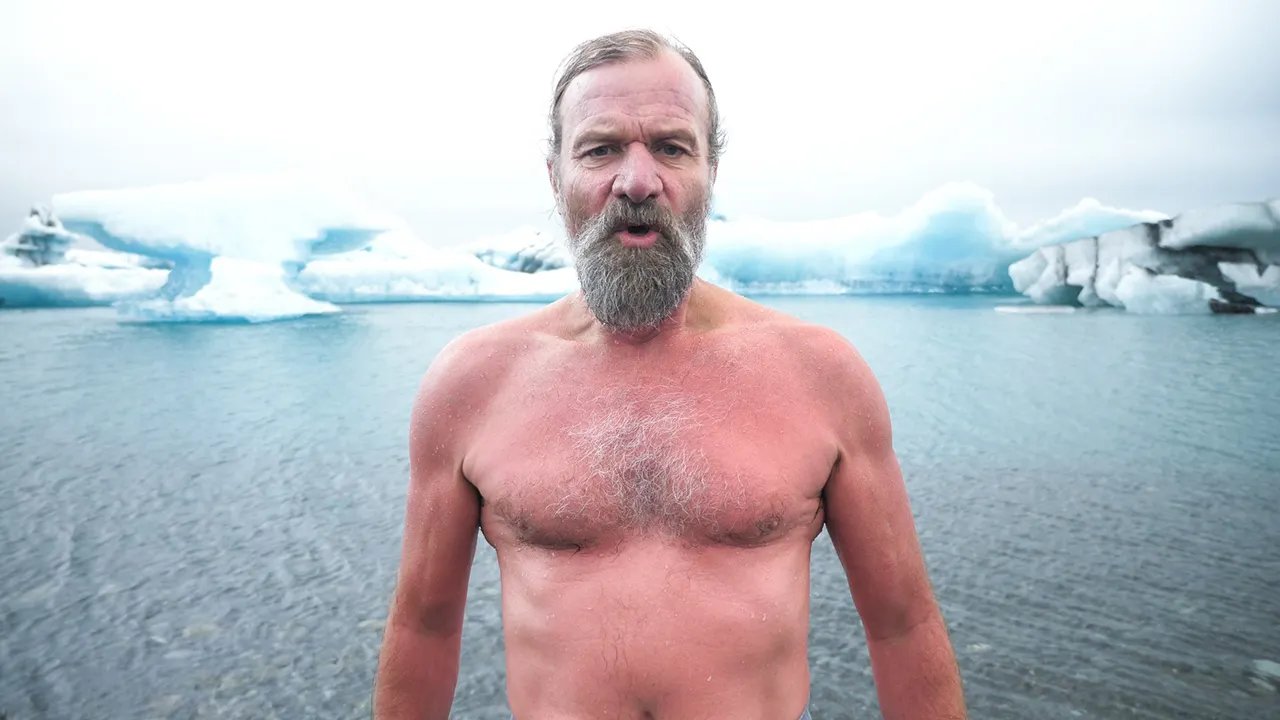
The Wim Hof Method consists of three fundamental pillars: cold exposure, specialized breathing techniques, and mindset training. According to Hof himself, “It is a combination of the three… and when they come together, they reinforce each other and become stronger.”
The method’s creator explained that proper cold exposure optimizes the immune system, energy levels, and cardiovascular function, while the breathing techniques have been shown to reduce inflammation—a key driver of many chronic diseases. The mindset component helps reconfigure how the brain handles stress.
One surprising finding from the study was the impact on participants’ behavior beyond physical wellness. “The people doing the Wim Hof Method became more willing to speak up at work,” Dr. King shared. “They were more likely to raise hard issues or have a voice or take interpersonal risks.”
She theorized this could be connected to the daily practice of overriding discomfort: “If you train yourself to step into the cold water every morning, you kind of override that voice that says, ‘Don’t do that.’ This bravery, this toughness that you train every morning, starts to show up everywhere else in your life.”
The study had limitations, including its relatively short 29-day duration, which may not fully capture long-term effects. Additionally, participants were aware of which group they were assigned to, potentially influencing self-reported results.
For those interested in trying the method, Hof recommends beginners simply start with cold showers, which activate the cardiovascular system and boost energy. “Take the cold shower, go into that breathing, and suddenly you’ll feel an innate power awakening,” he said. “That is the nervous system, and you have control over that.”
Health experts caution that cold exposure may not be safe for everyone, particularly individuals with certain cardiovascular conditions such as abnormal heart rhythms, heart disease, or Raynaud’s syndrome. Harvard Health advises those with underlying conditions to consult a physician before beginning cold exposure therapy.
“For those who have conditions, I say start with breathing alone,” Hof suggested. “Breathing trains the nervous system like weightlifting trains the muscles.”
While the Wim Hof Method has gained substantial popularity in wellness communities, researchers note that evidence for its efficacy in treating chronic diseases remains limited, despite these promising initial findings.
Fact Checker
Verify the accuracy of this article using The Disinformation Commission analysis and real-time sources.

12 Comments
I’m glad to see research validating the cognitive and stress-reducing benefits of cold therapy and breathwork. This could be a game-changer for people looking to improve their mental and physical wellbeing.
Absolutely. If the findings hold up, it could provide a more natural, drug-free alternative to managing conditions like depression, anxiety, and burnout. Definitely worth keeping an eye on this area of research.
While the results seem promising, I’d want to see longer-term studies to understand the sustained effects of this approach. Maintaining a daily practice of cold exposure and breathwork could be challenging for many people.
That’s a fair point. Consistency is key, and it may be difficult for some to stick with it over time. Longitudinal research would provide more insight into the long-term viability and benefits.
Interesting to see scientific validation for the benefits of cold therapy and breathwork. I’ve been intrigued by the Wim Hof method but was unsure of the real-world impacts. Good to know it can boost energy, clarity, and stress management.
Yes, the reported improvements in physiological markers like heart rate and sleep quality are quite compelling. I may have to give the Wim Hof method a try myself.
While the Wim Hof method seems like a holistic approach, I’d want to see more data on potential downsides or risks, especially for those with certain health conditions. Safety should be the top priority.
Good point. Any new wellness regimen, especially one involving extreme temperature exposure, requires careful consideration of potential contraindications or safety concerns. Thorough vetting is important.
I’m curious to learn more about the differences in outcomes between the ice bath and cold shower groups. Were the benefits more pronounced with one method over the other? That could help guide people’s practice.
Good question. The article didn’t provide those specifics, but it would be interesting to see if there are any notable differences in efficacy between the two cold exposure techniques.
As someone who struggles with stress and burnout, this is an intriguing approach that I may have to explore further. The promise of improved energy, mental clarity, and better stress management is appealing.
I agree, the potential benefits could be very valuable for those dealing with high stress and fatigue. Definitely worth looking into if you’re seeking natural ways to improve your wellbeing.