


Listen to the article
Suspected Bird Flu Outbreak Kills Over 1,100 Canadian Geese in New Jersey
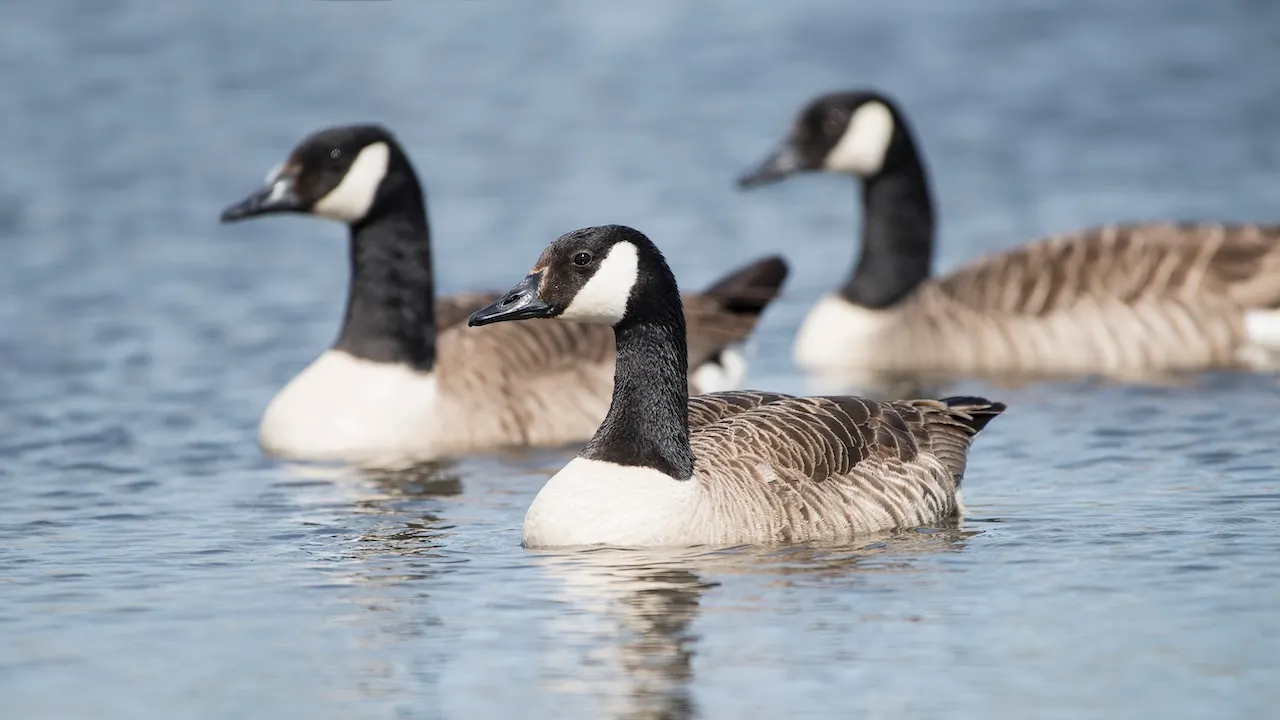
More than 1,100 Canadian geese have died or fallen ill across seven New Jersey counties in what officials strongly suspect is an outbreak of highly pathogenic avian influenza (HPAI), commonly known as bird flu.
The New Jersey Department of Environmental Protection (DEP) reported the deaths occurred between February 14 and 16, prompting local authorities to close several parks, including Betty Park and Alcyon Park in Gloucester County, as a precautionary measure.
“Residents are asked not to approach any geese in or around the area,” warned the Borough of Pittman in a recent social media post.
While laboratory confirmation is still pending, health officials believe the mass deaths bear the hallmarks of avian influenza. “The picture is consistent with avian influenza, and there is good reason for the high-level suspicion,” said Dr. David J. Cennimo, associate professor of medicine and pediatrics and an infectious diseases specialist at Rutgers New Jersey Medical School.
Bird flu typically manifests in birds through symptoms including diarrhea, respiratory issues such as coughing and sneezing, nasal discharge, and coordination problems. However, some infected birds may die suddenly without displaying any symptoms. Though Canadian geese represent the majority of casualties in this outbreak, the virus poses significant risks to other bird species, particularly domesticated poultry like chickens, turkeys, and ducks.
The timing of the outbreak may be linked to environmental factors, according to experts. “Avian influenza viruses continue to spread in wild bird populations, and transmission can be amplified by close congregations of birds. This can happen during freezing temperatures when there is limited water availability,” explained Dr. Cennimo.
This New Jersey incident represents part of a broader concern about bird flu’s expanding reach across species. Rebecca Carriere Christofferson, associate professor of pathobiological sciences at the LSU School of Veterinary Medicine, noted that the virus has recently demonstrated an alarming ability to cross species barriers.
“We’ve seen spillover into poultry and dairy cattle in the last couple of years,” Christofferson said. “The more transmission occurs, the greater the chance for transmission to humans.”
This widening pattern of infection has raised public health concerns, though officials emphasize that the current risk to humans remains relatively low. Last year, there were human deaths attributed to bird flu, primarily among individuals who had direct contact with infected animals.
The agricultural impact could be substantial if the virus spreads to commercial poultry operations or dairy farms. In recent years, bird flu outbreaks have necessitated the culling of millions of birds nationwide and disrupted supply chains, contributing to increased poultry and egg prices.
Health officials are advising the public to exercise caution around wild birds. “If the birds did die of influenza, they could still harbor live virus and potentially infect humans,” Dr. Cennimo warned. “For this reason, people should avoid handling sick or dead birds, use protective measures like gloves, and wash their hands thoroughly after any potential exposure.”
The DEP has emphasized that “public awareness and precautionary measures are essential to mitigate the impact of bird flu on both agriculture and public health.”
Wildlife and public health agencies continue to monitor the situation closely. “Surveillance is key to preventing uncontrolled spread,” said Christofferson. “Understanding the patterns of where the virus is—and where it’s going—can help mitigate the ongoing risk to our animal and human populations.”
As officials await definitive test results, the situation highlights the delicate balance between wildlife conservation, agricultural protection, and public health concerns in managing zoonotic disease outbreaks.
Fact Checker
Verify the accuracy of this article using The Disinformation Commission analysis and real-time sources.

9 Comments
This is a sad and unsettling event. I hope the authorities can get to the bottom of what caused this outbreak and prevent further loss of wildlife.
The closure of parks is understandable, but I wonder how this will impact local communities and nature enthusiasts in the short term.
While concerning, it’s good to see the authorities taking proactive measures to protect public safety. Hopefully, they can quickly identify the cause and prevent the spread of this outbreak.
A sudden and large-scale die-off of wild birds is always worrying. I hope the investigation yields clear answers so the situation can be properly addressed.
The potential impact on the local ecosystem is a concern. I wonder if there will be any long-term effects on the affected wildlife populations.
Over 1,100 geese dead in just a few days – that’s a staggering number. I wonder if this could have wider implications for the local ecosystem and wildlife populations.
Avian flu is a serious concern, not just for the birds but also the potential risk to human health. I hope the situation is resolved swiftly and safely.
This is a concerning situation. While avian flu outbreaks are not uncommon, the scale of this incident is alarming. Closing the affected parks is a prudent precaution to protect public health.
I hope the authorities can quickly determine the cause and contain the spread. Wild bird die-offs on this level require a thorough investigation.