


Listen to the article
Heavy Snowfall Presents Serious Health Risks, Experts Warn
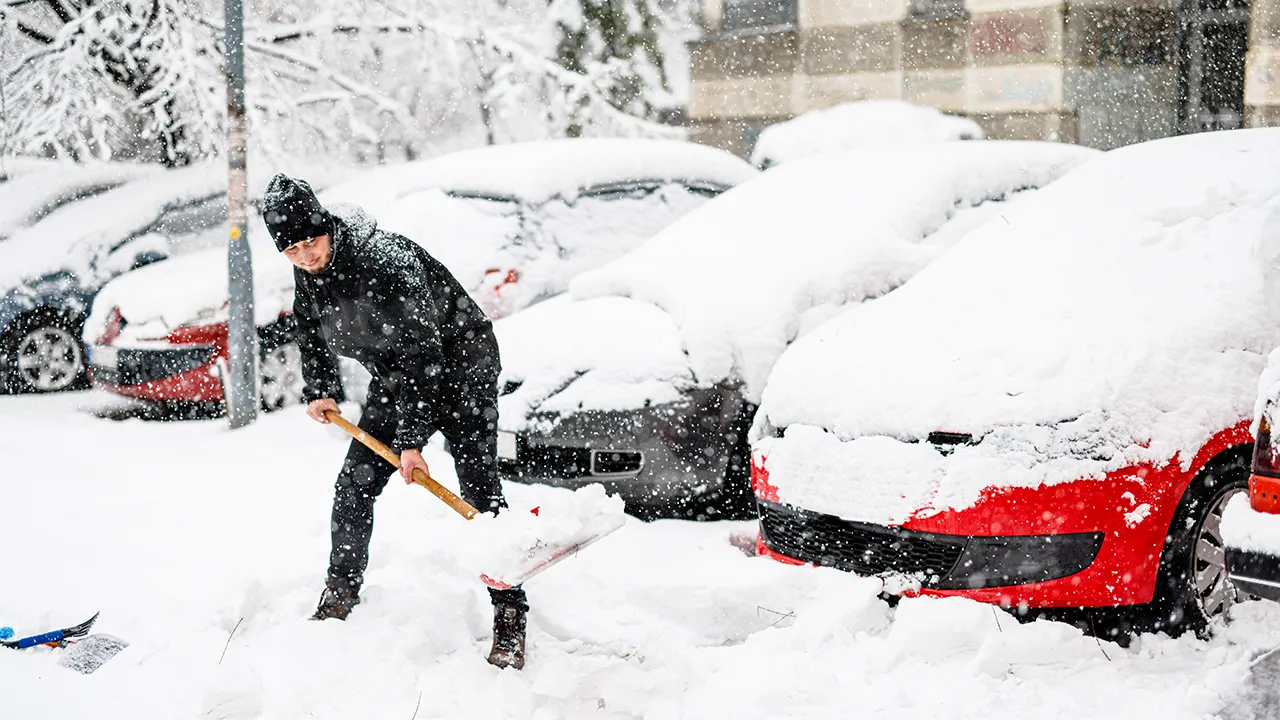
In addition to travel and logistical challenges, heavy snowfall can pose significant health hazards, particularly for vulnerable individuals. As the Northeast faces historic snow accumulation this week, medical experts are sounding the alarm about the physical risks associated with snow removal and exposure to extreme winter conditions.
“The combination of the wet, heavy snow and the heavy winds make it more of a health risk because it’s much harder to get around,” Fox News senior medical analyst Dr. Marc Siegel told Fox News Digital. “In the aftermath of the storm, as temperatures drop, the heavy, wet snow forms ice, which makes walking and driving treacherous.”
Health professionals are particularly concerned about the cardiovascular risks of snow shoveling. Dr. Joshua Latzman, cardiologist at White Plains Hospital Physician Associates in New York, shared with the American Heart Association (AMA) that research has demonstrated heavy snow shoveling can put “significant stress on the heart.”
“In frigid temperatures, that added strain can increase the risk of a heart-related event,” Latzman explained. “This can be especially dangerous for people who are out of shape or not used to strenuous activity.”
The risk is particularly pronounced for specific demographic groups. People who are sedentary, obese, diabetic, or have high cholesterol or high blood pressure face elevated danger. Those with a history of heart attack, stroke, bypass surgery, or coronary angioplasty should avoid shoveling snow altogether, according to medical advice.
The combination of physical exertion and cold temperatures creates a perfect storm for cardiac events. Cold air exposure raises blood pressure and constricts coronary arteries, while the strain of lifting heavy snow disrupts normal breathing patterns, further taxing the cardiovascular system.
Dr. Siegel emphasized this point during a Monday appearance on “Fox & Friends,” noting that snow shoveling represents “about the most cardiac expenditure of energy that you can have.” He advised against “being a hero” for those in at-risk categories, recommending instead that “if you’ve been sedentary, don’t go and shovel. Get a younger person or somebody who’s in much better shape to do it.”
Beyond cardiac concerns, heavy, wet snow presents additional health hazards. It can penetrate clothing and cause severe chilling, potentially leading to hypothermia in extreme cases. Dr. Siegel observed people in the current northeastern storm who “weren’t covered properly… weren’t wearing gloves, didn’t have the full hat, or the kind of overcoat they needed.”
The harsh weather conditions also increase fall risks and create hazards from downed power lines and fallen trees weighted down by heavy snow accumulation. Extended power outages during winter storms create additional health concerns, particularly for elderly residents and those dependent on medical equipment.
For those who must shovel, experts recommend several safety precautions. The AMA advises covering the mouth and nose, dressing in layers including a hat and gloves, and working at a gradual, comfortable pace. Pushing or sweeping snow is preferable to lifting and throwing, as it requires less physical exertion.
Dr. Siegel emphasized the importance of community vigilance during severe weather events. “You need to look out for each other,” he said. “With this kind of wind, you get really easily discombobulated.” He strongly recommended staying indoors whenever possible and exercising extreme caution when venturing outside.
The current northeastern winter storm underscores how seasonal weather events aren’t merely inconveniences but potentially serious health emergencies. Public health officials continue monitoring conditions and urging residents to prioritize safety as the region copes with historic snowfall levels and dangerous winter conditions.
As communities across the Northeast dig out from this significant weather event, medical experts hope their warnings will prevent unnecessary hospitalizations and save lives during what has become an increasingly hazardous winter season.
Fact Checker
Verify the accuracy of this article using The Disinformation Commission analysis and real-time sources.

16 Comments
This is an important warning that shouldn’t be overlooked. The combination of physical exertion and frigid temperatures can be a serious health hazard, especially for vulnerable populations.
As someone who’s dealt with heavy snow before, I can attest to how physically demanding it can be. This warning about the potential cardiac risks is well-founded and worth heeding.
The cardiac risks from heavy snow shoveling are certainly concerning. It’s a good reminder that winter preparedness shouldn’t just focus on snow removal, but also on personal health and safety.
Absolutely. Staying vigilant and heeding expert advice can go a long way in keeping people safe during extreme winter weather events.
This is an important warning for people living in regions that get heavy snowfall. Cardiovascular risks from snow shoveling are not something to be taken lightly. Proper preparation and caution are key.
Agreed. It’s crucial for at-risk individuals to avoid shoveling snow themselves and instead hire professional help or use snow removal equipment.
Excellent point about the health risks associated with heavy snowfall. It’s easy to underestimate the toll that winter weather can take on the body, especially for those with pre-existing conditions.
Agreed. Taking the proper precautions and listening to medical experts is crucial during extreme winter events. Safety should be the top priority.
This is an important public health message, especially for vulnerable populations. I hope people take the cardiac risks of snow shoveling seriously and take the necessary precautions.
Interesting to see the health risks associated with heavy snowfall. It’s a good reminder to take precautions and listen to local experts when dealing with extreme winter weather conditions.
Absolutely, snow shoveling can definitely be strenuous and dangerous, especially for those with pre-existing heart conditions. Staying safe and healthy should be the top priority.
The increased risk of heart attacks due to heavy snow shoveling is concerning. It’s a good reminder that winter preparedness should go beyond just having the right gear – physical fitness and health are crucial as well.
Exactly. Even for those in good shape, the added strain of snow shoveling can be dangerous. Knowing your limits and seeking help when needed is key.
As someone who lives in a snowy climate, I appreciate the expert advice on the potential health hazards of heavy snowfall. It’s a good wake-up call to be extra cautious during major winter storms.
Absolutely. Staying informed and heeding the warnings from medical professionals can go a long way in keeping people safe during extreme winter weather events.
Wow, I didn’t realize the heart attack risk from heavy snow could be so high. This is a good reminder to take winter weather safety seriously and not underestimate the physical strain it can cause.