


Listen to the article
Study Reveals Grandparenting May Slow Mental Decline in Older Adults
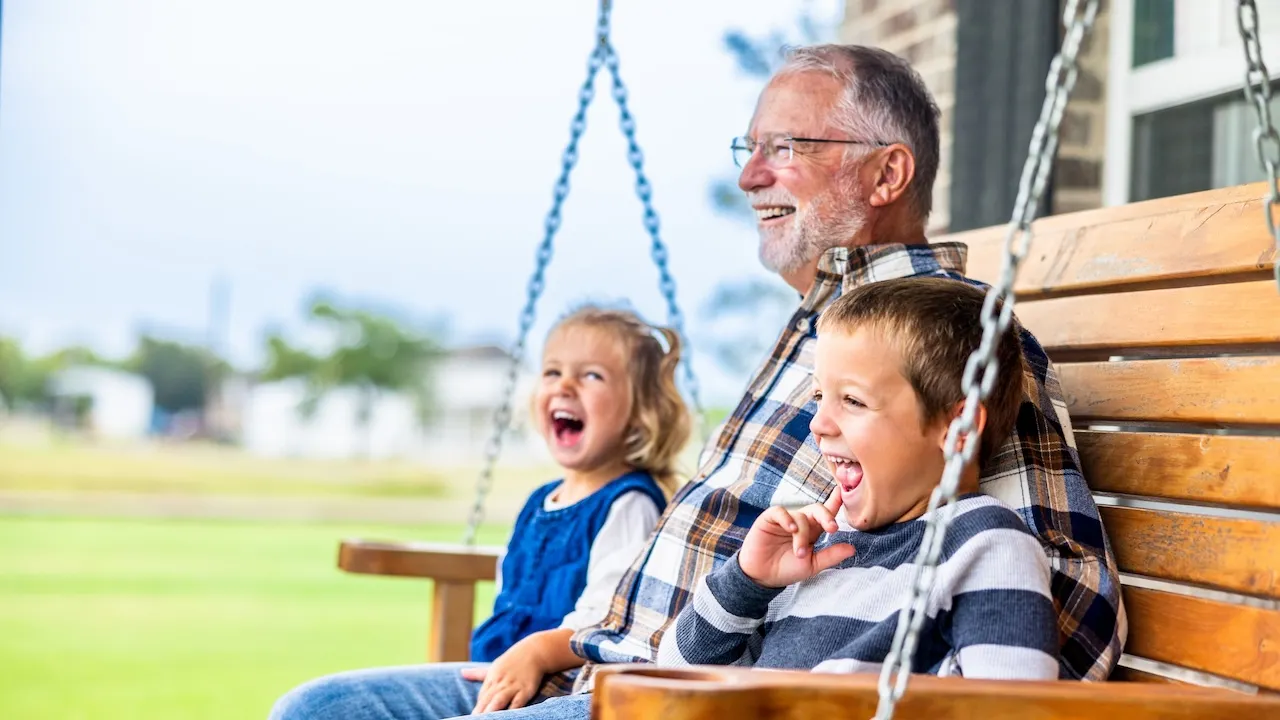
Caring for grandchildren could be more than just a joyful family experience—it might actually help slow down mental decline in older adults, according to a recent study published by the American Psychological Association in the journal Psychology and Aging.
The comprehensive research followed nearly 3,000 grandparents with an average age of 67, finding that those who provided childcare scored significantly higher on memory and verbal fluency tests compared to non-caregiving peers. These cognitive benefits persisted even after researchers adjusted for variables such as age, health status, and other potential influencing factors.
When Fox News’ Steve Doocy spoke with grandparents in Florida about these findings, many described firsthand how staying active with their grandchildren keeps them mentally alert. “They’re always chasing them and doing things,” one grandmother explained. “Keeps your mind active.”
The study’s results suggest that the cognitive benefits appear regardless of how frequently grandparents provide care or what specific activities they engage in with their grandchildren. This points to the overall value of intergenerational interaction rather than specific caregiving tasks.
Another Florida grandmother highlighted the reciprocal learning relationship, noting that her grandchildren “are teaching me all the time” and often demonstrate greater knowledge during educational outings. This observation aligns with cognitive research suggesting that learning new skills and information—regardless of age—helps maintain neural plasticity.
The physical component of grandparenting also appears to play a significant role in these cognitive benefits. One grandfather interviewed emphasized that the advantage comes from “being active” rather than “just sitting around.” Another described how the role requires becoming “a kid again,” often involving physical play and responding to children’s constant needs.
These comments reflect the multifaceted nature of grandparenting, which combines physical activity, social engagement, emotional connection, and cognitive challenges—all factors previously linked to brain health in aging populations.
However, the research also revealed important limitations to these benefits. Flavia Chereches of Tilburg University in the Netherlands, who led the study, emphasized that the caregiving environment significantly matters. Voluntary care within a supportive family context appears to offer benefits, while stressful or burdensome caregiving situations may not yield the same positive effects.
This distinction is crucial as approximately 2.7 million American grandparents currently serve as primary caregivers for their grandchildren, according to U.S. Census data. For these individuals, the cognitive benefits of grandparenting might be offset by high stress levels and the demands of full-time childcare responsibilities.
“While caregiving is beneficial up to a point,” Doocy noted during the segment, being a primary caregiver “can lend itself to a lot of stress.”
The findings come as researchers increasingly focus on preventive approaches to cognitive decline, particularly as the U.S. population ages. With adults over 65 projected to represent nearly 20% of Americans by 2030, understanding modifiable factors that influence cognitive health has become a public health priority.
This research adds to a growing body of evidence suggesting that meaningful social roles and intergenerational relationships may play an important part in maintaining cognitive function later in life. Previous studies have shown that social isolation is associated with higher risks of dementia and cognitive decline, while regular social interaction appears protective.
For many grandparents, the joy of grandparenting extends far beyond cognitive benefits. As Fox News contributor Lawrence Jones observed, “It’s always yes with your grandparents. Your parents tell you no, but your grandparents always tell you yes. This is why we love them so much.”
These findings suggest that the special relationship between grandparents and grandchildren may benefit both generations in ways that science is only beginning to understand.
Fact Checker
Verify the accuracy of this article using The Disinformation Commission analysis and real-time sources.

12 Comments
This is a great reminder that staying mentally and physically active as we age is so crucial. Grandparenting seems to be a wonderful way to do that. I hope more older adults can experience these cognitive benefits.
Agreed. Fostering strong intergenerational bonds is valuable on so many levels, including cognitive health.
Fascinating study! Keeping active with grandchildren seems to have real cognitive benefits for older adults. The mental stimulation and physical activity involved must help stave off mental decline.
I agree, the findings make a lot of sense. Staying engaged and challenged, both mentally and physically, is so important as we age.
This is really good news. Providing childcare for grandchildren is a win-win – it helps the family while also keeping grandparents sharper and healthier. Kudos to the researchers for quantifying these benefits.
Absolutely. The cognitive gains are an added bonus on top of the joy and fulfillment of spending time with grandkids.
While the study’s results are intriguing, I’d be curious to see if the cognitive benefits hold true across different socioeconomic and cultural contexts. Family dynamics can vary widely, so the impact of grandparenting may not be universal.
Good point. More research would be valuable to understand the nuances and potential limitations of these findings.
While the study findings are interesting, I would caution against making overly broad generalizations. Caregiving can also be physically and emotionally taxing, especially for grandparents with health issues or limited resources. More nuanced research is needed.
That’s a fair point. The positive cognitive effects may depend on the specific circumstances and support systems available to grandparents.
As a grandparent myself, I can attest to the mental sharpness and physical energy that comes from actively engaging with my grandchildren. This study validates what many of us have experienced firsthand.
I’m sure your grandkids feel so lucky to have an involved grandparent like you. The mutual benefits are clear.