


Listen to the article
First Responders’ Lifespan Shortened by Decade, Experts Share Health Strategies
America’s first responders put their lives on the line to protect their communities—and it comes at a devastating cost. These dedicated professionals face a staggering reduction in life expectancy, dying approximately 10 years sooner than the general population.
Despite this alarming statistic, health experts and veteran first responders believe that strategic lifestyle interventions can help mitigate these risks and extend lives.
Mike Morlan, a Sacramento firefighter with nearly three decades of service and district vice president at CAL FIRE 2881, has witnessed the toll firsthand. “For me, it’s personal,” Morlan said. “I lost both my parents to cancer… and I learned early in my career that heart disease and cancer are what take firefighters out.”
The reality he describes is sobering. “We don’t necessarily usually die in a fire; we die years later from what the job does to us,” Morlan explained. He has attended numerous memorial services for colleagues who never reached retirement, and has seen others pass away just a year or two after completing their service.
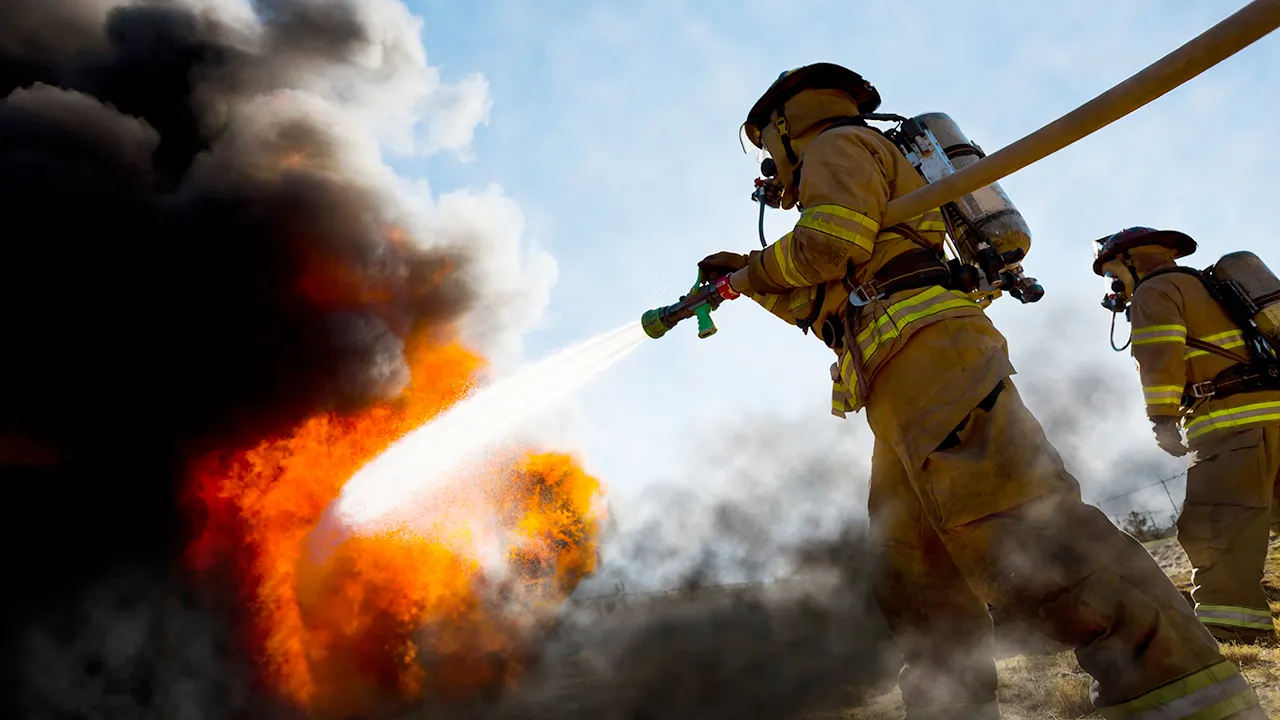
First responders face a perfect storm of health hazards. Shift after shift, firefighters endure exposure to smoke, toxins, carcinogens, and extreme heat. This combination leads to chronic sleep disruptions and serious medical conditions that accumulate over time.
Dr. Eve Henry, chief medical officer at Hundred Health in California, calls the decade of life lost a “wake-up call” for the medical community. “That’s not a marginal difference—it’s a decade of life lost,” she emphasized. “When you combine repeated exposure to toxic chemicals and carcinogens with the extreme physical and physiological stress of the job, it creates a perfect storm for chronic disease to accelerate much faster than it would in a typical office environment.”
Cardiovascular disease stands as the leading cause of death among firefighters, according to experts. The constant physiological stress of jumping from sedentary moments into maximum physical exertion within seconds, combined with extreme heat and chronic sleep deprivation, creates dangerous inflammatory responses in the body.
Both experts agree that acknowledging these risks is the crucial first step toward extending longevity. “When we run into burning buildings, it’s really the invisible exposures over decades that threaten our lives,” Morlan noted. “Being strong doesn’t cancel out toxic exposures or sleep deprivation.”
Morlan recommends that first responders treat their bodies with the same diligence they apply to their equipment. “We inspect our rigs, and we inspect our equipment all the time. We’re always checking those boxes and making sure we’re ready to go,” he said. “And it shouldn’t be any different with our health.”
Beyond annual physicals, Morlan suggests first responders pursue biomarker testing and utilize wearable devices for consistent health data tracking. Making incremental improvements to nutrition, exercise and recovery are also critical components of a longevity strategy.
“Longevity isn’t just one big overhaul—it’s consistent, informed decisions over time,” Morlan said.
Dr. Henry stresses that sleep quality deserves special attention. “Sleep is the single most important variable in that equation,” she said. “I know how difficult that is with a firehouse schedule, but when you are off-shift, you have to be disciplined about a strict sleep environment to let your body repair the damage.”
For first responders struggling to find where to start, Henry recommends focusing on three small, attainable measures, such as hitting a protein goal, eliminating alcohol, or beginning a strength-training routine. “If a plan is too aggressive… you’ll never actually adopt it into your daily life,” she cautioned. “It’s about making the changes that are realistic enough to stick.”
To support California’s first responders, CAL FIRE Local 2881 and Hundred Health have launched an innovative program offering comprehensive health assessments and personalized wellness plans. The initiative utilizes biomarkers and wearable technology data to identify early health changes that firefighters might not detect themselves.
Beyond individual health benefits, the program aims to create the first large-scale dataset tracking how occupational exposures affect firefighters over time. “We’re talking about tracking biomarkers against known occupational exposures… across thousands of firefighters, over years,” Henry explained. “That data could rewrite what we know about how this career affects the human body.”
As the daughter of a New York firefighter, Henry has witnessed firsthand the cumulative toll that often goes undetected in routine physicals until reaching crisis levels. This initiative represents a crucial step toward understanding and addressing the unique health challenges faced by those who dedicate their lives to public safety.
Fact Checker
Verify the accuracy of this article using The Disinformation Commission analysis and real-time sources.

10 Comments
Sobering to learn about the significantly shorter lifespan for first responders. Kudos to the veteran firefighter for sharing his personal story and raising awareness on this critical issue.
Absolutely, any steps to mitigate these health risks and extend their lives should be a top priority. Hopefully more first responders will heed the expert advice.
This is really eye-opening. First responders put their lives on the line every day to protect our communities – the least we can do is ensure they have the resources and support to prioritize their own health and longevity.
Firefighters and other first responders deserve our deepest gratitude for their selfless service. It’s heartbreaking to hear about the heavy toll it takes on their health and lifespan. Hope the longevity tips make a real difference.
Agreed, their dedication and bravery is truly inspiring. Even small lifestyle changes could go a long way in improving their health outcomes.
Heart disease and cancer taking out so many firefighters is tragic. Glad to see experts providing guidance on lifestyle interventions to help extend their lives and get more of them to retirement.
This is really concerning to hear about the 10-year shorter lifespan for first responders. Kudos to the veteran firefighter for sharing his personal story and insights on strategies to address this issue.
Yes, it’s an alarming statistic. Hopefully more first responders will take the health advice to heart and implement positive changes to protect themselves.
Tough job, but these first responders are true heroes putting their lives on the line to protect us. Glad to see experts sharing ways they can mitigate the health risks and extend their lifespans.
Absolutely, their sacrifice is immense. Proactive lifestyle changes could make a big difference in improving their longevity and quality of life.