


Listen to the article
The FDA announced Monday it will remove the strongest warning labels from hormone replacement therapy (HRT) products used to treat menopause symptoms, ending two decades of what officials now describe as overstated health concerns that may have unnecessarily deterred millions of women from seeking treatment.
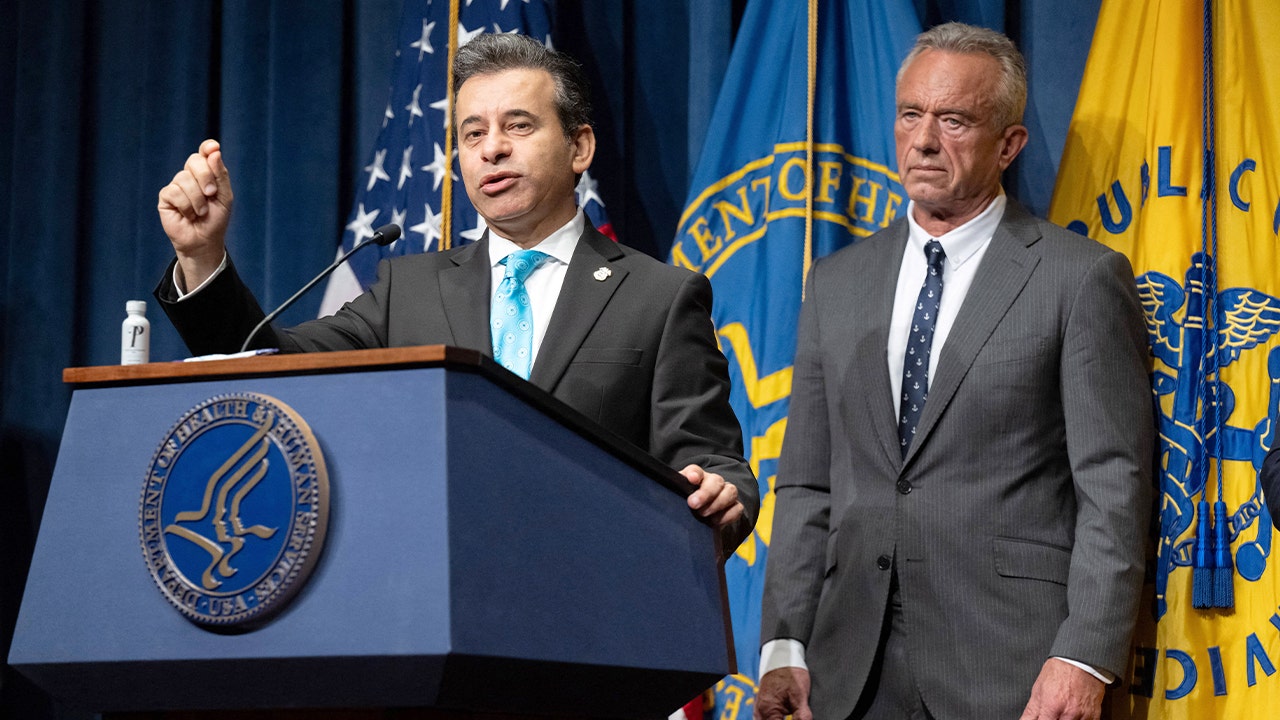
During a press conference at Health and Human Services headquarters, FDA Commissioner Dr. Marty Makary said the decision to remove the “black box” warnings is supported by extensive research demonstrating HRT’s benefits and clinical trials that contradict earlier fears linking the therapy to increased breast cancer mortality.
“A 2002 study known as the Women’s Health Initiative was misrepresented and created a fear machine,” Makary said, referring to the research that originally prompted the FDA to add its most severe warning label to HRT medications in 2003.
HHS Secretary Robert F. Kennedy Jr., appearing alongside Makary, offered a stronger rebuke of the previous warnings, saying they were designed to “frighten women and to silence doctors.”
“It warned of diseases and dangers that the data simply did not support. Bureaucrats at the FDA reacted out of fear, not gold standard science. And instead of correcting the record, the medical establishment doubled down in groupthink,” Kennedy said. “The consequences have been devastating.”
Hormone replacement therapy, which typically consists of estrogen and progesterone (or estrogen alone for women who have had hysterectomies), helps manage symptoms like hot flashes, night sweats, mood swings, and weight gain that often accompany menopause. According to Makary, when started within ten years of menopause onset, HRT also offers significant long-term health benefits that many physicians may not fully appreciate.
In a Wall Street Journal op-ed published prior to the announcement, Makary cited several studies supporting HRT’s wider health benefits, including a 1991 UC San Diego review showing the therapy may reduce fatal coronary events by approximately 50%. He also referenced a 1996 University of Southern California study that found women using estrogen replacement therapy had a 35% lower risk of Alzheimer’s disease compared to non-users.
The removal of the black box warning represents a major policy reversal for the FDA, acknowledging that the 2003 decision may have been based on misinterpreted data. The warnings led many healthcare providers to become reluctant to prescribe HRT and discouraged women from seeking this treatment option for menopause symptoms.
Medical professionals at the announcement welcomed the change. Kelly Casperson, a board-certified urologist, called the FDA’s decision “revolutionary” and said it would help “correct decades of misleading guidance.”
The policy shift comes amid increased attention to women’s health issues and growing recognition that menopause symptoms significantly impact quality of life for millions of women. Approximately 1.3 million women in the United States enter menopause each year, according to the North American Menopause Society, with many experiencing symptoms severe enough to affect their daily functioning and emotional well-being.
This regulatory change is expected to prompt healthcare providers to reconsider HRT as a viable option for their patients experiencing menopause symptoms. It may also encourage pharmaceutical companies to develop new hormone therapies and delivery methods that had previously been limited by concerns about regulatory burdens associated with black box warnings.
The FDA’s decision aligns with a broader trend toward evidence-based medicine and suggests a willingness to revise long-standing positions when supported by newer research. It also reflects the current administration’s commitment to addressing what Kennedy has characterized as regulatory overreach in healthcare.
Women considering HRT are still advised to discuss individual risk factors with their healthcare providers, as personal medical history and family health backgrounds remain important considerations in treatment decisions.
Fact Checker
Verify the accuracy of this article using The Disinformation Commission analysis and real-time sources.

10 Comments
Interesting move by the FDA. Removing the severe warning labels on menopause hormone therapies could help provide more treatment options for women. However, it’s important to weigh the risks and benefits carefully with healthcare providers.
Yes, a balanced approach is key. Patients should discuss the latest research and their individual health status with their doctors to make the best decision.
This is a significant shift in the FDA’s stance. The previous overly cautious approach may have discouraged many women from seeking needed treatment. Updating the labels based on new evidence is a positive step.
Agreed. The FDA should continue reviewing the data objectively and make decisions that prioritize patient wellbeing over unfounded fears.
The FDA’s acknowledgment that the previous warnings were exaggerated is noteworthy. It’s reassuring to see them adjust their stance based on updated scientific evidence rather than maintaining outdated policies.
Yes, that’s an important distinction. Regulatory bodies should be willing to evolve their positions as new data emerges, rather than clinging to entrenched views.
While I’m glad the FDA is taking a more nuanced approach, I hope they continue closely monitoring the safety and efficacy of these menopause treatments. Vigilance is still needed to ensure patient wellbeing.
That’s a fair point. Ongoing surveillance and data collection will be crucial, even as the labeling requirements are relaxed.
I’m curious to see how this will impact the menopause treatment landscape. Hopefully it leads to more open discussions between doctors and patients about the pros and cons of hormone therapies.
That’s a good point. Clear communication between healthcare providers and their patients will be crucial as these label changes are implemented.