


Listen to the article
In a groundbreaking study presented this week at the Radiological Society of North America’s annual meeting in Chicago, researchers have identified ultrasound technology as a critical tool for detecting dangerous vascular blockages caused by cosmetic fillers, potentially preventing serious complications including tissue damage and vision loss.
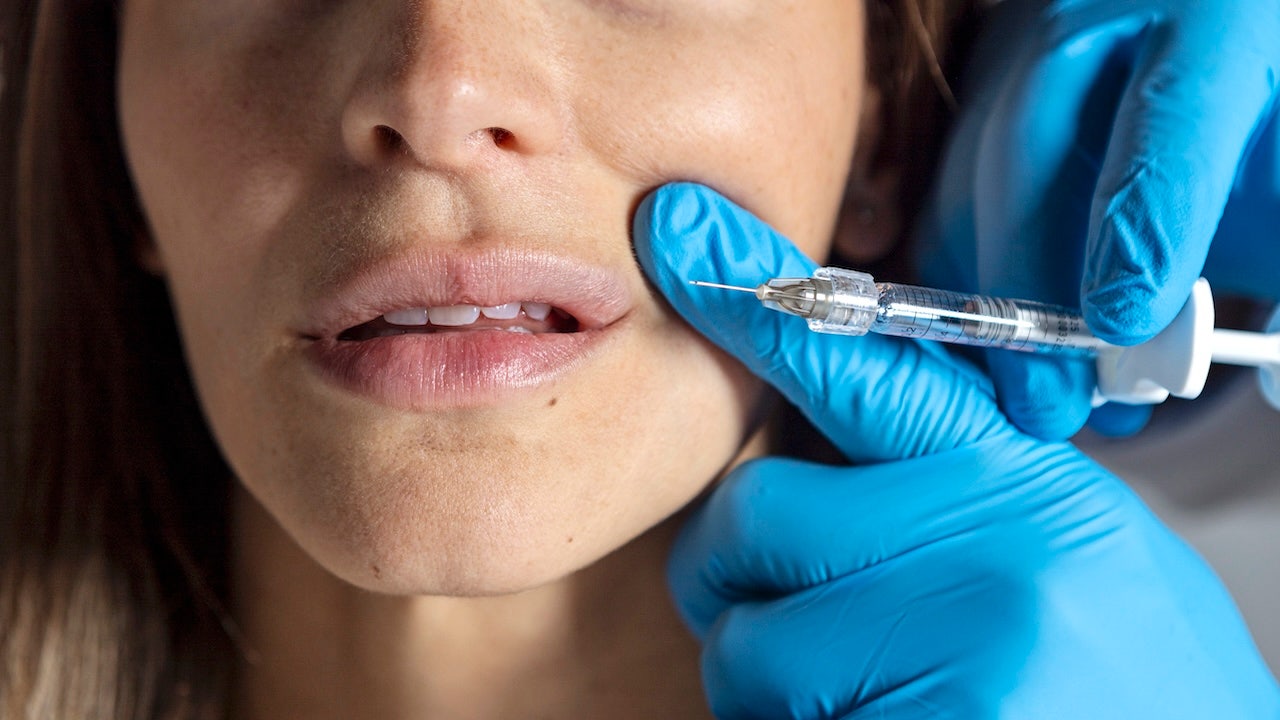
Each year, over five million cosmetic filler procedures are performed across the United States, making it one of the most common non-surgical aesthetic treatments. However, these injectables carry the risk of blocking key blood vessels, which can lead to serious health consequences if not identified and treated promptly.
The study, led by Dr. Rosa Maria Silveira Sigrist from the University of São Paulo in Brazil, examined data from 100 patients across six locations who experienced vascular complications after hyaluronic acid filler injections. All cases were documented between May 2022 and April 2025.
“Doppler ultrasound helps doctors see exactly where the filler is, how the blood is flowing in real time, and whether blood vessels may have been affected after a cosmetic procedure,” Dr. Sigrist told reporters. “The physical exam continues to be very important, but the ultrasound adds extra information that makes the evaluation safer and the treatment more precise.”
The findings revealed that more than 40% of patients had blockages in perforator vessels—small connecting blood vessels crucial for proper circulation—while 35% experienced complete blood flow obstruction in major facial arteries. Researchers identified the nasal region as particularly high-risk, as the lateral nasal artery connects to larger vessels that supply blood to the eye and brain.
Dr. Anthony Berlet, a board-certified plastic surgeon in New Jersey who was not involved in the research, emphasized the severity of these complications. “Vascular occlusion after filler injections can lead to devastating outcomes, including skin necrosis, tissue loss, and—in the worst cases—blindness and even stroke,” he explained. “Once a critical artery—for example, one feeding the retina or skin—is occluded by filler or embolus, the damage may be irreversible.”
The market for cosmetic fillers has grown exponentially over the past decade, driven by social media influence and minimally invasive options that offer immediate results without significant downtime. However, this surge in popularity has raised concerns about unqualified practitioners performing these procedures without proper training.
Dr. Samuel Golpanian, a double board-certified plastic surgeon in Beverly Hills, noted that when fillers are administered by experienced, licensed professionals using proper techniques, the risk of vascular occlusion should be less than 1%. “But if fillers are done by someone untrained or using the wrong needles or methods, the complication rate can be much higher—10% to 20%, which is completely unacceptable,” he warned.
The study demonstrated that ultrasound technology not only helps detect blockages but also enables more precise treatment. When vascular occlusions were identified, doctors could precisely target the application of hyaluronidase—an enzyme that dissolves hyaluronic acid fillers—rather than administering large, guesswork doses. This targeted approach minimizes side effects while maximizing effectiveness.
The research team suggested that integrating ultrasound during the actual injection process could prevent blood vessel injuries from occurring in the first place. Dr. Asif Pirani, a board-certified cosmetic plastic surgeon in Toronto, agreed with this approach, noting that “ultrasound should be integrated into care in a way that supports timely decision-making—either as an immediate point-of-care tool in trained hands, or to confirm and optimize management once initial rescue therapy has begun.”
The study does have limitations, including its relatively small sample size and the fact that it has not yet undergone peer review. Dr. Sigrist acknowledged another challenge: “The Doppler exam is performed differently even among very experienced specialists. This shows how important it is to create clear, standardized guidelines, so the exam can be done in a more consistent way.”
Industry experts have called for stronger regulations regarding who can administer fillers and mandatory training in complication management. As the aesthetic medicine field continues to grow, the integration of advanced imaging technologies like ultrasound represents an important step toward safer procedures and better patient outcomes.
Further research is needed to follow more patients over longer periods and track recovery after ultrasound-guided treatment, but this study marks a significant advance in cosmetic medicine safety protocols.
Fact Checker
Verify the accuracy of this article using The Disinformation Commission analysis and real-time sources.

10 Comments
The fact that over 5 million filler procedures are done annually in the US really underscores the need for robust safety measures. I’m glad to see new technologies like this ultrasound system emerge to help mitigate the dangers.
Absolutely. With such a high volume of these treatments, having reliable detection tools is critical to catch issues early and prevent devastating complications.
It’s good to see researchers taking this issue seriously and developing new detection tools. Vascular damage from fillers can have devastating consequences, so having better ways to identify and address these problems is vitally important.
This is a concerning report on the risks of cosmetic fillers. Proper screening and detection tools are critical to prevent dangerous complications. I hope this new ultrasound technology can improve safety and outcomes for patients.
5 million filler procedures per year in the US is a staggering number. While these treatments are popular, the potential for vascular blockages and tissue damage is very alarming. This ultrasound detection solution sounds like an important innovation.
Agreed, these treatments need to be approached with great caution. Ultrasound screening could be a game-changer for improving safety and catching issues early.
While cosmetic fillers are very popular, this report highlights the significant risks involved. I hope this ultrasound innovation can become widely adopted to improve patient safety and outcomes.
While cosmetic fillers may provide aesthetic benefits, the risks of serious side effects like tissue damage and vision loss are quite alarming. This ultrasound solution could be a major step forward in making these treatments safer for patients.
I’m curious to learn more about how this ultrasound technology works and how it can detect filler-related vascular complications in real-time. This seems like a crucial development to improve the safety of these popular cosmetic procedures.
This is an important development in the quest to make cosmetic fillers safer. Detecting vascular complications early through real-time ultrasound screening could be a game-changer. I’m eager to see how this technology is implemented and its impact on the industry.