


Listen to the article
Groundbreaking Fentanyl Vaccine Advances to Human Clinical Trials
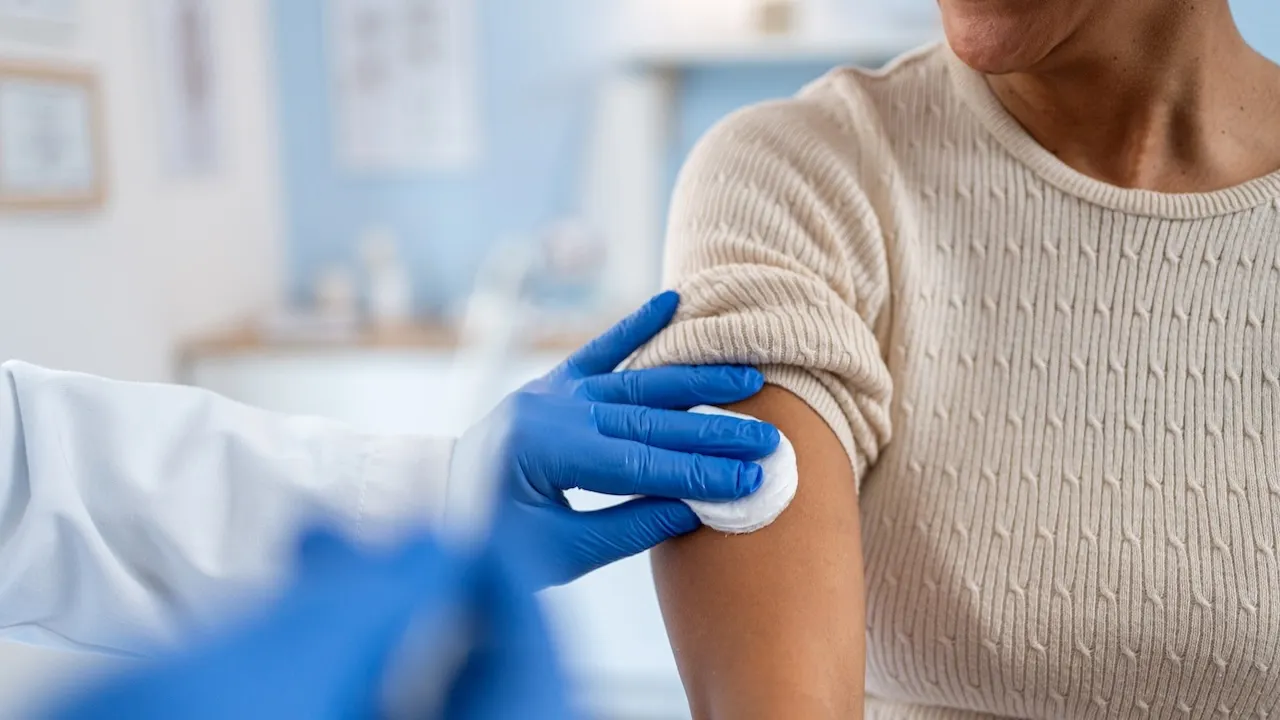
A potentially life-saving vaccine designed to prevent fentanyl overdoses is set to begin human clinical trials, offering new hope in combating the nation’s deadliest drug crisis.
The vaccine, which has shown promising results in animal studies, works by creating antibodies that capture fentanyl in the bloodstream before it can cross the blood-brain barrier. This mechanism prevents the drug from reaching the brain, effectively blocking its euphoric and dangerous effects—most critically, the respiratory depression that causes fatal overdoses.
“In a vaccinated individual, those anti-fentanyl antibodies are in the blood,” explained Colin Haile, research associate professor of psychology at the University of Houston and co-founder of ARMR Sciences, which licensed the vaccine. “So if they consume fentanyl, the antibodies grab onto the drug and prevent it from getting into the brain. They would feel no effects if they ingest fentanyl—absolutely none. And they would not overdose.”
This approach differs fundamentally from existing treatments like naloxone (Narcan), which reverse overdoses after they’ve begun. The fentanyl vaccine would be the first preventative treatment against overdoses of the synthetic opioid, which has become the leading cause of drug overdose deaths in the United States.
The vaccine’s composition includes a synthetic fragment of fentanyl attached to a protein called CRM197, combined with dmLT, an immune-activating compound. This formulation stimulates the immune system to produce the necessary antibodies while using “extremely low doses of the components,” according to Haile.
In rodent studies, animals maintained antibodies against fentanyl for six months after vaccination, with researchers reporting no adverse side effects even at doses 20 times higher than what would be given to humans. The vaccine’s ingredients include proteins already used in other human vaccines, contributing to its promising safety profile.
The first human clinical trial is scheduled to begin in early 2026 at the Center for Human Drug Research, associated with the University of Leiden in the Netherlands. This phase 1 trial will enroll approximately 40 participants and focus primarily on safety and immune response. If successful, a phase 2 trial will follow to test the vaccine’s effectiveness in blocking fentanyl’s effects in humans.
Public health experts see multiple potential applications for the vaccine. Primary candidates include individuals with opioid use disorder who want to quit using fentanyl. The vaccine could also protect first responders and healthcare workers at risk of accidental exposure.
Military and national security personnel represent another potential user group, as fentanyl and similar compounds have been identified as potential chemical threats. Additionally, parents may seek protection for at-risk teens or young adults, particularly as fentanyl has been increasingly found mixed with other substances like marijuana.
Dr. Marc Siegel, senior medical analyst for Fox News, described the vaccine’s progress as a “very exciting advance with a huge upside.”
“This is likely to prevent many overdoses where a patient is sedated and stops breathing as a result of fentanyl,” Siegel said. He noted that current treatments like Narcan have limitations because fentanyl remains active in the body for many hours, while Narcan wears off after just a few hours and requires readministration.
Siegel added an important caveat: “You want to make sure this vaccine is limited to those really at risk for opioid overdoses and addiction, because fentanyl is also a useful pain medication for cancer and a useful agent for anesthesia.”
The vaccine was developed with funding from the U.S. Department of Defense and licensed to biotech startup ARMR Sciences. Researchers say this breakthrough could potentially pave the way for similar vaccines targeting other substances like cocaine and methamphetamine, which are already in development.
“If we can tackle the primary ones—fentanyl, cocaine and methamphetamine—we will be saving hundreds of thousands of lives,” Haile emphasized.
As the opioid crisis continues to devastate communities across America, this innovative approach could provide a critical new tool in preventing the tragic deaths associated with fentanyl use and exposure.
Fact Checker
Verify the accuracy of this article using The Disinformation Commission analysis and real-time sources.

13 Comments
This is an intriguing approach, using antibodies to neutralize fentanyl before it can reach the brain. I’m curious to see how well it performs in human trials compared to existing treatments.
Yes, the mechanism of preventing the drug from crossing the blood-brain barrier is quite novel. It will be interesting to see how the efficacy and safety profile compares to other interventions.
This vaccine could be a real game-changer in the fight against the opioid crisis. Preventing overdoses before they happen is crucial. I’m glad to see this innovative approach advancing to human trials.
Indeed, the ability to block fentanyl’s effects completely is a very promising development. Preventing overdoses is far better than just reversing them after the fact.
Fentanyl overdoses are a major public health crisis, so this vaccine could save countless lives if proven effective and safe. I’ll be following the clinical trial results closely.
Absolutely, this vaccine has the potential to be a vital new tool in the fight against opioid abuse. Anything that can prevent these tragic overdoses is worth pursuing.
Preventing fentanyl overdoses before they happen is such an important goal. This vaccine approach sounds very promising, and I hope the clinical trials yield positive results.
The idea of using antibodies to neutralize fentanyl before it can act on the brain is a creative and promising approach. I’ll be closely following the progress of these clinical trials.
A vaccine that could block fentanyl’s effects entirely is a really exciting development. If successful, it could be a major step forward in the battle against the opioid epidemic.
This is an ambitious but much-needed initiative. Fentanyl overdoses are devastating communities, so a vaccine that could prevent these tragedies would be invaluable.
Absolutely. Anything that can help reduce the staggering toll of opioid overdoses is worth pursuing with urgency. I’m hopeful this vaccine will prove effective and safe.
This vaccine could be a real breakthrough if it can prevent fentanyl overdoses. Tackling the opioid crisis is such a critical public health issue, so I’m glad to see this innovative solution advancing.
Agreed. The ability to block fentanyl’s effects entirely, rather than just reversing overdoses, could be a game-changer. I’m cautiously optimistic about the potential of this vaccine.