


Listen to the article
Dry January: Health Experts Reveal Body Transformations After 30 Days Without Alcohol
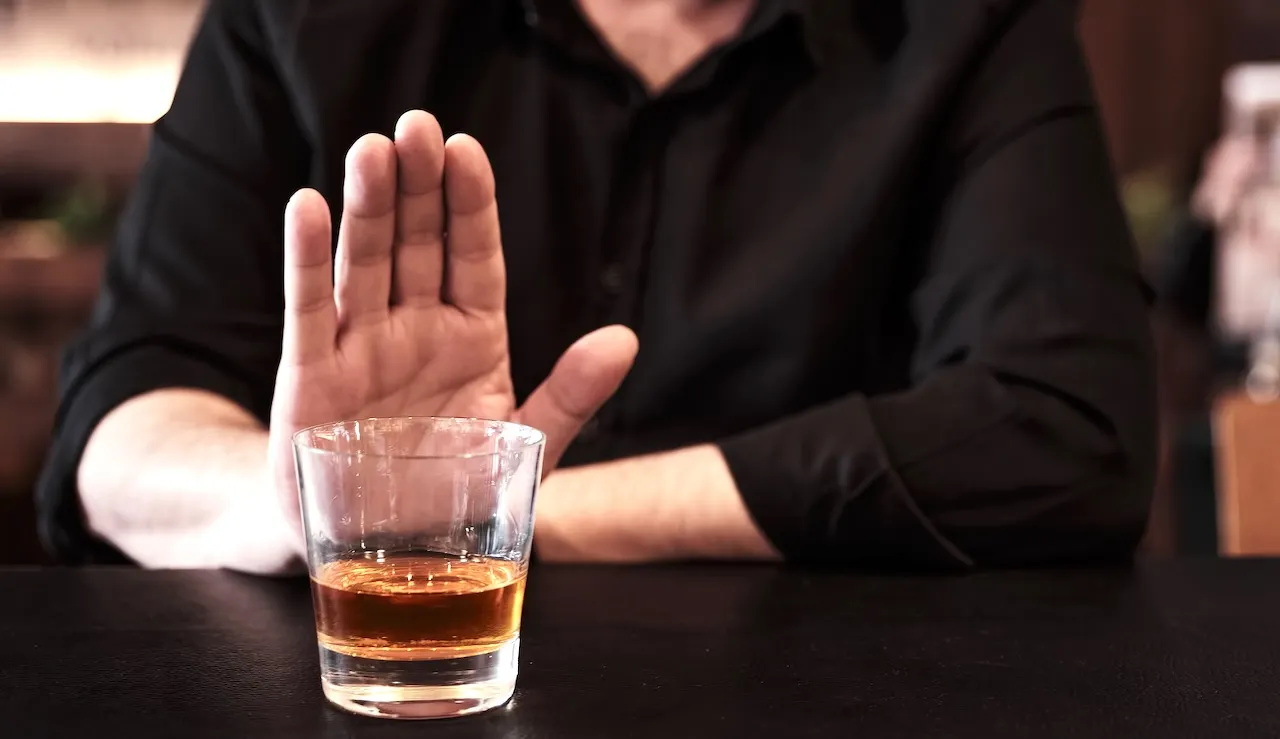
After weeks of holiday celebrations and social gatherings, many people find their bodies craving a respite from alcohol consumption. The modern health trend known as “Dry January” — abstaining from alcoholic beverages for the first month of the year — has gained significant popularity as a way to reset after the indulgences of the holiday season.
Medical research has increasingly linked alcohol consumption to numerous health concerns, from short-term effects like hangovers to serious long-term risks including increased cancer rates and cardiovascular problems.
Dr. Mark Hyman, chief medical officer at Function Health in Massachusetts, recently described Dry January as “a powerful way to see in real time how alcohol affects nearly every system of your body and how quickly those systems can recover” during an episode of his podcast.
The Science Behind Alcohol’s Impact
The main component in alcoholic beverages, ethanol, produces both the pleasurable sensations many seek and potentially harmful effects on the body. While most people drink to feel more relaxed and socially comfortable, alcohol fundamentally works by suppressing brain activity rather than stimulating it.
“You feel more relaxed, more social, more confident, maybe you feel a little euphoric,” Hyman explained. But these temporary benefits come with significant downsides, including impaired decision-making and slowed reflexes.
Alcohol particularly affects the prefrontal cortex, which Hyman describes as “the adult in the room” responsible for judgment and self-restraint. “It goes offline early in drinking, which explains why people feel freer or act impulsively when they drink,” he noted.
Even moderate alcohol consumption triggers metabolic stress, inflammation, impaired detoxification processes, and hormonal disruptions that can affect virtually every organ system. Research has also connected drinking to increased cancer risk, gut microbiome disturbances, and mitochondrial damage.
Sleep quality suffers significantly with alcohol consumption. The substance prevents proper REM sleep, the crucial deep rest period when the immune system clears accumulated toxins from the body.
Long-term alcohol use has been associated with memory loss, cognitive decline, anxiety, sleep disorders, dementia, cardiovascular disease, and liver complications including fatty liver disease.
“Bottom line, alcohol taxes every major system in your body, especially your liver, your brain, your gut, your hormones,” Hyman summarized.
The 30-Day Recovery Timeline
According to Dr. Hyman, remarkable changes occur when abstaining from alcohol for just 30 days:
Week 1: The body begins its detoxification process. Blood sugar levels and cortisol (stress hormone) stabilize, while the liver begins processing accumulated toxins. Hydration improves and energy levels start to rebound.
Week 2: The gut-brain connection begins rebalancing. Neurotransmitters like serotonin and dopamine stabilize, gut inflammation decreases, and the microbiome starts healing. Sugar and alcohol cravings diminish while mental clarity returns.
Week 3: Inflammation markers continue decreasing throughout the body, along with improvements in fatty liver indicators and blood pressure. Physical appearance often improves as facial puffiness and redness diminish. Mood stabilization becomes noticeable with reduced anxiety levels.
Week 4: Metabolic and immune benefits become more pronounced. Insulin sensitivity improves, facilitating weight management, while immune response strengthens. Sleep quality deepens, hormones balance, and many experience significant boosts in energy, confidence and focus.
Dr. Pinchieh Chiang, a clinician at Circle Medical in San Francisco, emphasizes that Dry January isn’t technically a “detox” but rather provides bodily feedback. “It gives the body time to show people how it feels without alcohol. For many, that insight alone changes their relationship with drinking,” she explained.
Chiang noted that the initial days may prove challenging, with some experiencing restlessness, cravings or disrupted sleep patterns. However, the experience often leads to lasting changes in drinking habits throughout the following year.
After a full year of abstinence, health improvements become even more significant. “We see sustained improvements in blood pressure, liver function and inflammation,” Chiang said. “Those changes directly affect long-term heart disease and stroke risk.”
Different Approaches to Alcohol Reduction
Some health experts caution against an “all-or-nothing” approach to alcohol reduction. Thomas Stopka, an epidemiologist and professor at Tufts University School of Medicine, suggests that a “damp January” — reducing rather than eliminating alcohol — may be more realistic for some individuals.
“Dry January is well-intentioned, and it may work really well for the people who can stick to it, maybe even beyond January,” Stopka said. “Other people may be more inclined to cut down on alcohol consumption rather than quit drinking completely for the month.”
Stopka emphasizes that effective harm-reduction strategies should be non-judgmental, recognizing that substance use disorder is a medical condition requiring comprehensive care.
Those experiencing symptoms of alcohol use disorder should consult healthcare professionals for personalized guidance rather than attempting to quit without proper support, as severe withdrawal symptoms can occur in cases of dependency.
Whether choosing complete abstinence or gradual reduction, the evidence suggests that even short breaks from alcohol can reveal significant health benefits and potentially inspire longer-term changes to drinking habits.
Fact Checker
Verify the accuracy of this article using The Disinformation Commission analysis and real-time sources.

9 Comments
The holiday season does tend to bring a lot more alcohol consumption. Taking a break for Dry January seems like a smart way to reset and recharge.
Agreed. A month off from alcohol could be just what the body needs after all the indulgences of the holidays.
Alcohol’s impacts on the brain and body are so complex. Glad to see more people taking a break to better understand how it affects them personally.
Completely agree. A month-long break like Dry January is a great way to get a clearer picture of alcohol’s pros and cons.
I’ve always been curious about trying Dry January, but wasn’t sure what kind of changes to expect. Good to see the science behind the potential benefits.
If the results are as positive as described, it could inspire a lot more people to give Dry January a try next year.
Interesting to see the science behind the physical and mental benefits of going alcohol-free for a month. I wonder how many people stick with it long-term after seeing the positive changes.
Dry January can definitely be a reset for the body and mind. The challenge is maintaining those healthier habits beyond just one month.
Interesting to see how quickly the body can recover once alcohol is removed from the equation, even just for 30 days. Makes the case for more regular Dry January challenges.