


Listen to the article
A controversial executive order signed by President Donald Trump has created a rift within the Make America Healthy Again movement over the use of glyphosate, a widely used herbicide linked to various health concerns including cancer.
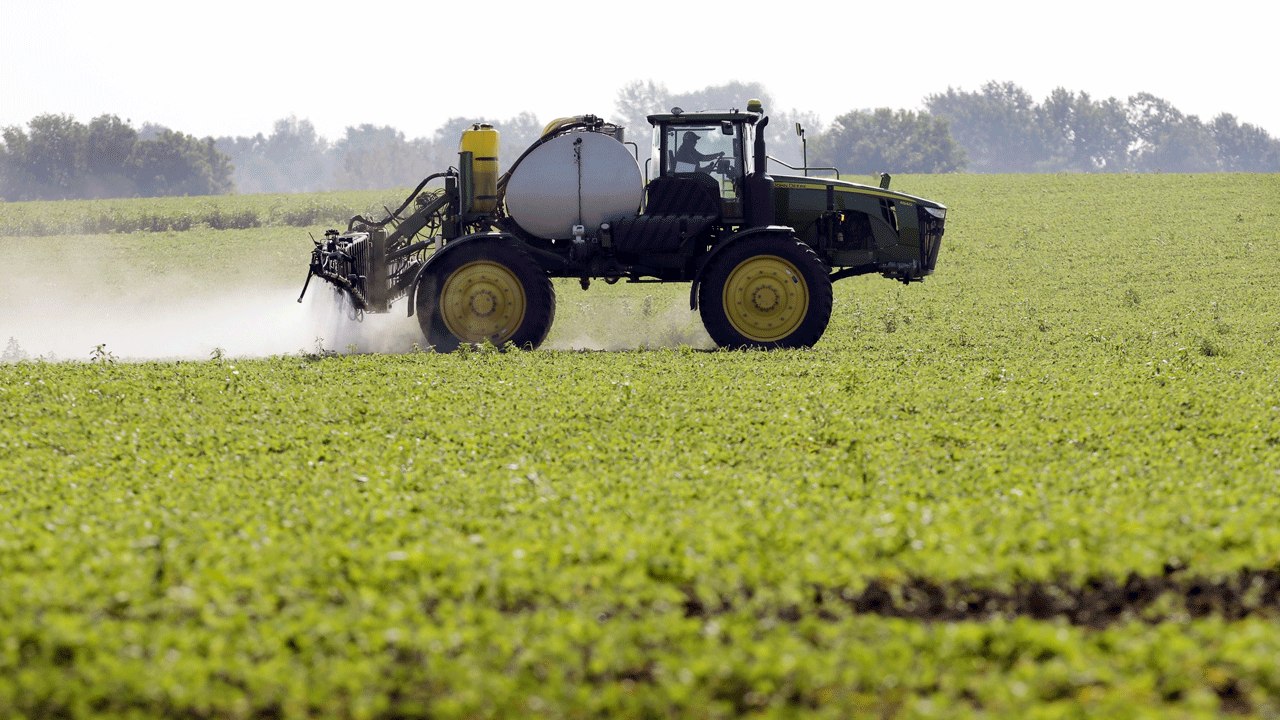
The order, which ensures adequate supplies of elemental phosphorus and glyphosate-based herbicides for national defense purposes, has drawn criticism from health advocates who have long pushed for pesticide-free approaches to agriculture.
Dr. Marc Siegel, Fox News senior medical analyst, expressed concern about the herbicide’s health impacts. “There is sufficient evidence linking glyphosate to neurodegenerative diseases, including ALS, Parkinson’s and multiple sclerosis, to warrant limiting exposure,” Siegel told Fox News Digital.
He explained that with Parkinson’s disease specifically, “this association appears to be due to the gut, vagus nerve and brain axis, where the exposure affects the microbiome in the gut, which then ascends slowly up to the brain, causing the neurodegenerative disease years later.”
Growing scientific evidence supports these concerns. A University of Washington study published in the journal Mutation Research found that exposure to glyphosate increased the risk of non-Hodgkin lymphoma by 41 percent. Glyphosate is the active ingredient in Roundup, a product owned by agricultural giant Monsanto.
Further research from the nonprofit Investigate Midwest, which analyzed data from both the U.S. Geological Survey and the National Cancer Institute, revealed that pesticide use may contribute to elevated cancer rates nationwide. Among the top 500 counties for per-square-mile pesticide use, more than 60 percent had cancer rates above the national average of 460 cases per 100,000 people.
Iowa, which used 53 million pounds of pesticides last year, has the nation’s second-highest cancer rate. Bill Billings, a resident of Red Oak, Iowa, who was diagnosed with cancer in 2014, told researchers, “The cancer specialist said, very directly, (my) cancer is a result of being exposed to chemicals.”
Kelly Ryerson, founder of Glyphosate Facts and owner of the Instagram account @glyphosategirl, began researching the herbicide after her own health struggles with chronic illness and autoimmune issues. She discovered concerning agricultural practices during her investigation.
“A lot of times, farmers are spraying Roundup on our grains right before harvest to facilitate an easier harvest,” Ryerson explained. “After that easier harvest, because everything’s dry at the same time, those crops go directly to the mill and may end up in our food supply, at alarmingly high levels.”
In 2015, the International Agency for Research on Cancer (IARC), part of the World Health Organization, classified glyphosate as “probably carcinogenic to humans” based on evidence of cancer in both humans and experimental animals.
Despite these concerns, Monsanto stands by its product. A company spokesperson told Fox News Digital they will comply with Trump’s order, stating: “President Trump’s executive order reinforces the critical need for U.S. farmers to have access to essential, domestically produced crop protection tools, such as glyphosate.”
The executive order has placed Health and Human Services Secretary Robert F. Kennedy Jr. in a difficult position. Kennedy has long been a vocal critic of Roundup and worked with his legal team in 2018 to secure a $289 million award for a man who alleged the weed killer caused his non-Hodgkin lymphoma.
Following backlash to Trump’s executive order, Kennedy attempted to clarify his position. While supporting the order, he acknowledged the inherent risks, posting on X: “Pesticides and herbicides are toxic by design, engineered to kill living organisms. When we apply them across millions of acres and allow them into our food system, we put Americans at risk.”
Kennedy added that “chemical manufacturers have paid tens of billions of dollars to settle cancer claims linked to their products, and many agricultural communities report elevated cancer rates and chronic disease.”
The controversy highlights the ongoing tension between agricultural productivity and public health concerns in American farming practices. While glyphosate remains crucial for conventional farming methods and has now been deemed essential for national security, the growing body of evidence linking it to serious health conditions continues to fuel debate among health advocates, farmers, and policymakers.
Fact Checker
Verify the accuracy of this article using The Disinformation Commission analysis and real-time sources.

20 Comments
I’m really worried about this. Glyphosate is so widely used, and the potential neurological impacts are frightening. I hope the administration will listen to the scientific evidence and reconsider this decision.
Me too. The health of the public has to come first. They need to take a hard look at the risks and benefits here.
This is a worrying development. Linking glyphosate to serious neurological diseases is alarming. I hope the administration carefully weighs the evidence before prioritizing its use for national defense.
Absolutely. The health of citizens should come before any other considerations when it comes to potentially harmful chemicals.
Interesting development. While glyphosate has been an important tool, the emerging science on its health impacts is concerning. The government needs to carefully weigh the evidence and prioritize public safety.
Absolutely. This is a complex issue without easy answers. But protecting public health should be the top priority.
I’m torn on this. Glyphosate has been a valuable tool for farmers, but the emerging science on its health effects is very concerning. I hope the government can find an alternative that is both effective and safe.
That’s a good point. The need for effective herbicides has to be balanced with the potential risks. It’s a complex issue without easy answers.
I’m really worried about this. The potential health impacts of glyphosate, especially on neurodegenerative diseases, are very alarming. The government needs to listen to the science and reconsider this decision for the sake of public safety.
Absolutely. The administration should not be prioritizing agricultural needs over public health. This is a serious issue that requires a careful, evidence-based approach.
This is a tough situation. Glyphosate has been widely used, but the potential links to serious diseases are very worrying. I hope the government can find a way to address agricultural needs while also safeguarding public health.
Agreed. It’s a delicate balance, but the health impacts should be the primary consideration here.
Hmm, this is a tricky issue. While glyphosate is an effective herbicide, the potential health risks are concerning. I hope the government can find a balanced approach that protects both agriculture and public health.
Agreed, it’s a delicate balance. More research is needed to fully understand the long-term impacts of glyphosate exposure.
This is a complex issue without easy answers. Glyphosate has been a valuable tool, but the potential links to neurological diseases are deeply concerning. The government must put public health first in its decision-making.
Well said. Protecting citizens should be the top priority, even if it means reconsidering the use of this widely-used herbicide.
This is a concerning development. Glyphosate’s potential links to serious diseases like Parkinson’s and ALS are very worrying. The government needs to take this issue seriously and protect public health.
Agreed. The health impacts should be the top priority, not ensuring supplies for national defense. Hopefully they can find a safe alternative.
I’m concerned about this development. While glyphosate has been an effective herbicide, the emerging science on its health effects is very troubling. The administration needs to carefully weigh the evidence and put public safety first.
Exactly. The potential risks to human health have to be the top priority, even if it means finding alternative solutions for agriculture.