


Listen to the article
First Case of Severe Mpox Reported as Colorectal Cancer Survivor Shares Her Story
Health officials have reported the first case of severe mpox disease in a major U.S. city, raising concerns about a potential new public health challenge as medical professionals continue to monitor the disease’s spread and severity.
The case comes amid other concerning health developments, including a deadly meningitis outbreak that has prompted college students to call for campus closures. University administrators are now coordinating with public health authorities to implement preventive measures and protect the student population.
Meanwhile, a Los Angeles mother has shared her harrowing experience with colorectal cancer, which went undiagnosed despite presenting symptoms. Amy Piccioli, whose story has garnered attention in the medical community, said doctors repeatedly dismissed her symptoms as merely side effects of childbirth.
“For years, I was told what I was experiencing was normal,” Piccioli said. “By the time they finally took my concerns seriously, I was already at stage 4.”
Piccioli underwent a rare surgical procedure that saved her life, highlighting the critical importance of early cancer detection. Colorectal cancer cases in younger adults have been rising steadily over the past decade, with the American Cancer Society reporting a 2% annual increase in cases among people under 50.
In more positive health news, cigarette smoking has reached a historic low in the United States, dropping to single-digit percentages for the first time. Public health experts attribute this decline to increased awareness of smoking’s health risks, higher taxation, and the proliferation of smoking cessation programs.
However, as smoking rates fall, other health concerns are emerging. Male fertility rates are experiencing a troubling decline, with reproductive health specialists pointing to a combination of environmental factors, lifestyle changes, and chemical exposures as potential causes.
“There’s something very wrong happening,” said Dr. James Carlton, a reproductive endocrinologist not involved in Piccioli’s case. “Sperm counts have dropped nearly 50% in Western countries over the past four decades, and we’re only beginning to understand the implications.”
Another concerning trend involves the surge in ADHD stimulant prescriptions for adults. Physicians are raising red flags about potential overdiagnosis and medication dependence, calling for more careful screening and treatment protocols.
The Canadian healthcare system is also under scrutiny after reports emerged of patients waiting more than 15 hours in emergency rooms. One patient was quoted saying, “I’d rather pay” than endure such extended waiting periods, igniting debate about publicly funded healthcare systems versus private alternatives.
In the realm of cosmetic health, dermatologists are addressing common misconceptions about facial aging, particularly sagging jowls. Contrary to popular belief, experts explain that jowl formation stems primarily from age-related changes in facial structure and gravity’s effects, rather than solely weight fluctuations or poor skincare.
Weight management also remains a significant health topic, with new research revealing surprising results regarding weight regain after discontinuing GLP-1 medications like Ozempic. The study found that patients typically regain two-thirds of their lost weight within a year of stopping treatment, underscoring the importance of lifestyle modifications alongside pharmacological interventions.
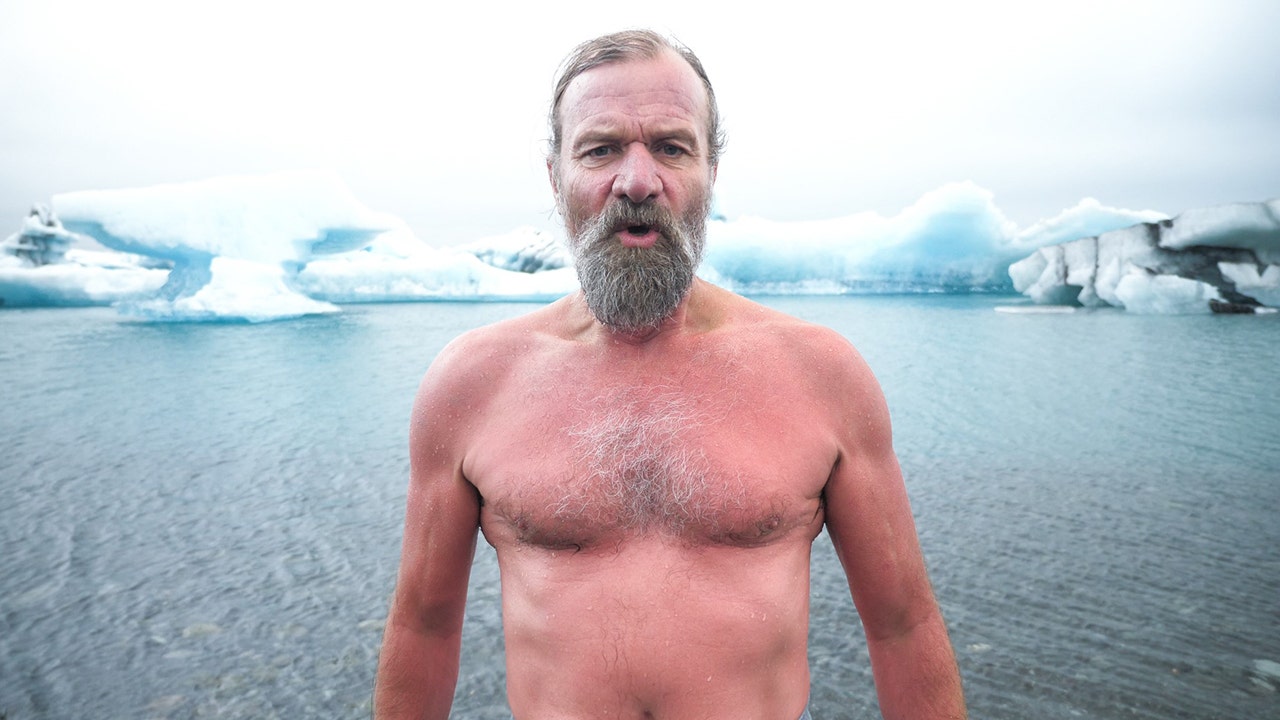
Dutch extreme athlete Wim Hof, known as “The Ice Man,” has been promoting his three-pillar method for improving energy levels and reducing stress. The approach combines cold exposure, breathing techniques, and mindfulness—practices that have gained scientific attention for their potential health benefits, though researchers caution that more studies are needed.
As these health stories continue to develop, medical professionals emphasize the importance of preventive care, early detection, and evidence-based treatments in addressing both emerging and established health challenges.
Fact Checker
Verify the accuracy of this article using The Disinformation Commission analysis and real-time sources.

8 Comments
The rise of unconventional wellness trends is concerning, as they can distract from evidence-based healthcare. While the expert’s insights are thought-provoking, I hope the medical community continues to rigorously evaluate the merits and limitations of cold exposure therapy.
As someone who lives in a cold climate, I can attest to some of the upsides of regular cold exposure, like improved circulation and mood. However, the article highlights the need for proper precautions and medical guidance. Cold exposure is not a one-size-fits-all solution.
Good to hear your firsthand perspective. You’re absolutely right that cold therapy requires caution and should be approached carefully, especially for those with certain medical conditions.
This is a timely article given the recent attention on mpox and other emerging public health threats. While cold therapy may offer some benefits, the priority should be on supporting our healthcare systems and following expert medical guidance to address urgent priorities.
Fascinating insights from the wellness expert! I’m curious to learn more about the science behind cold exposure and its surprising health benefits. What are some of the key mechanisms that drive these positive effects?
Good question. The article mentions increased metabolic rate and brown fat activation as potential pathways, but I’d be interested to hear the expert elaborate on the full range of physiological adaptations.
While cold exposure may have some merits, I’m a bit skeptical of overhyped wellness claims. It’s important to rely on rigorous scientific evidence, not just anecdotal reports. What does the broader medical community say about the health impacts of controlled cold therapy?
You raise a fair point. Credible clinical studies would help validate the claims and provide a more objective assessment of the benefits and risks.