


Listen to the article
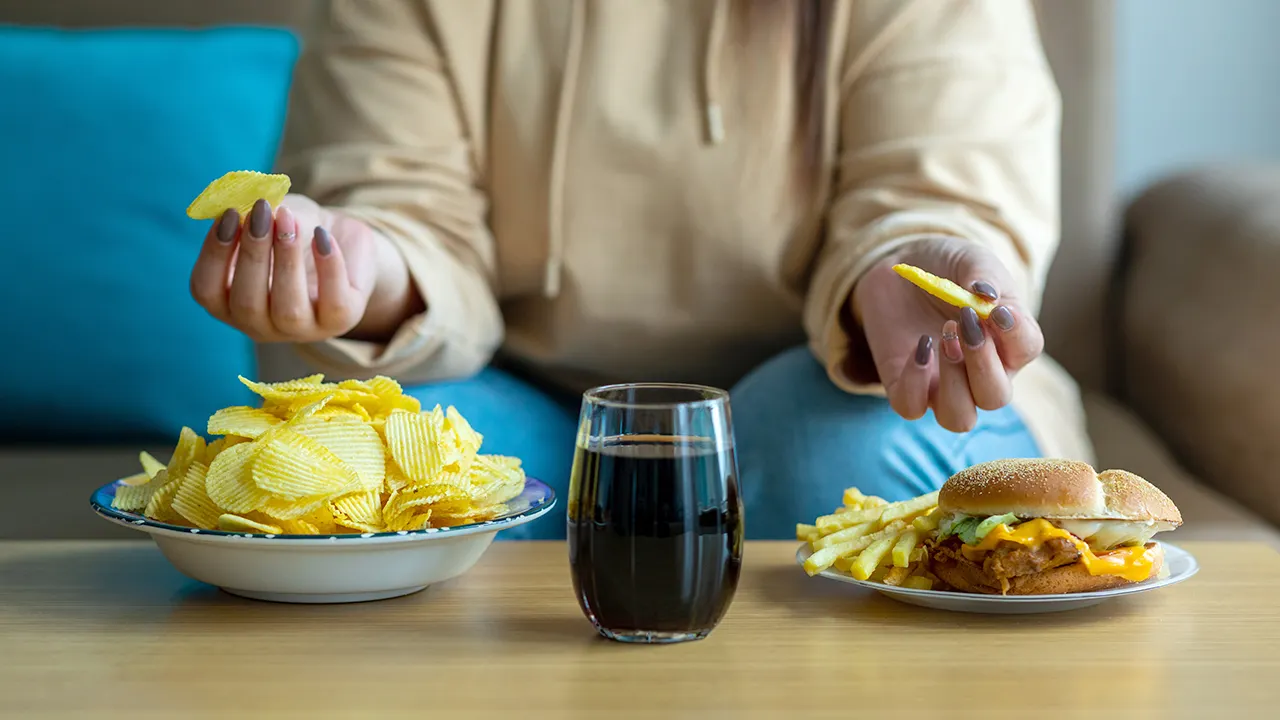
Cancer survivors consuming high amounts of ultraprocessed foods (UPFs) may face a significantly higher risk of death, according to new research from the American Association for Cancer Research. The study links increased consumption of these ready-to-eat, additive-rich foods to elevated mortality rates, even from causes unrelated to cancer itself.
“What people eat after a cancer diagnosis may influence survival, but most research in this population has focused only on nutrients, not how processed the food is,” explained lead author Marialaura Bonaccio, Ph.D., from the Research Unit of Epidemiology and Prevention at IRCCS Neuromed in Pozzilli, Italy.
The comprehensive study, published in the journal Cancer Epidemiology, Biomarkers & Prevention, followed more than 24,000 individuals over a 17-year period from 2005 to 2022. Among this group, researchers closely tracked 802 cancer survivors who provided detailed dietary information through questionnaires. All participants were 35 or older and resided in Italy’s Molise region.
Nutritionists have long warned that ultraprocessed foods typically contain high levels of added sugars, unhealthy fats, preservatives, and artificial flavorings while often lacking essential nutrients. These ingredients can have profound effects on bodily functions.
“The substances involved in the industrial processing of foods can interfere with metabolic processes, disrupt gut microbiota and promote inflammation,” Bonaccio noted. “As a result, even when an ultraprocessed food has a similar calorie content and nutritional composition on paper compared to a minimally processed or ‘natural’ food, it could still have a more harmful effect on the body.”
To classify foods, researchers relied on the NOVA system, a widely used framework that categorizes items based on their degree of industrial processing. They examined seven specific categories of ultraprocessed foods, including processed meats, salty snacks, sugary treats, and dairy products containing additives.
The research team employed two measurement approaches: weight ratio (comparing the total weight of UPFs to all food consumed daily) and energy ratio (calculating the percentage of daily calories derived from UPFs).
The findings were alarming. During a median follow-up period of 14.6 years, cancer survivors in the highest third of UPF consumption by weight had a 48% higher rate of death from any cause and a 57% higher rate of death specifically from cancer compared to those in the lowest third of consumption.
Further analysis revealed that increased inflammation and elevated resting heart rates accounted for approximately 37% of the connection between UPFs and mortality. Notably, these increased risks remained even after researchers adjusted for adherence to a healthy Mediterranean-style diet, suggesting that the problem extends beyond simply not eating enough healthy foods.
While certain categories of ultraprocessed foods showed stronger links to mortality than others, Bonaccio cautioned against focusing too narrowly on individual “bad” foods. Instead, he emphasized that the real concern is a diet dominated by heavily processed, industrial products.
“The negative health effects are not explained solely by poor nutrient profiles,” Bonaccio stressed. “The level and nature of industrial food processing itself plays an independent role.”
Based on their findings, the researchers recommend that cancer survivors carefully examine food labels. Products containing more than five ingredients or any industrial additives are likely ultraprocessed and should be limited.
“Focusing on the diet as a whole and shifting consumption toward fresh, minimally processed, home-cooked foods is the most meaningful approach,” Bonaccio advised.
The researchers acknowledged several limitations to their study. As an observational investigation, it cannot establish definitive causality. The research also relied on self-reported dietary information, which may contain inaccuracies. Additionally, since diets were measured approximately eight years after cancer diagnosis, the results primarily reflect individuals who survived long enough to be included in the study, potentially creating selection bias. Finally, as the study population was exclusively Italian, the findings may not apply universally to more diverse populations.
Despite these limitations, the study adds to growing evidence suggesting that what cancer survivors eat may significantly impact their long-term health outcomes, highlighting the importance of nutrition as a component of comprehensive cancer survivorship care.
Fact Checker
Verify the accuracy of this article using The Disinformation Commission analysis and real-time sources.

16 Comments
While the results are concerning, I’m glad to see researchers examining the role of diet quality, not just nutrient content, in cancer survivorship. Holistic approaches that address the complex interplay of food processing and health outcomes are crucial.
Well said. Focusing solely on individual nutrients misses the bigger picture when it comes to the health effects of modern, industrialized diets.
The links between ultraprocessed foods and mortality risk are concerning, but not surprising given what we know about the health effects of these products. I hope this study encourages more people, especially cancer patients, to prioritize whole, minimally processed foods.
Absolutely. Raising awareness of the potential dangers of ultraprocessed foods is an important step, but translating that into tangible dietary changes for vulnerable populations will be key.
This study adds to the growing body of evidence highlighting the health risks of ultraprocessed foods. I wonder if the findings could spur policy changes to restrict marketing and availability of these products, especially in hospitals and cancer treatment centers.
That’s an interesting idea. Institutional interventions to promote whole, minimally processed foods for cancer patients could have a meaningful public health impact.
While the study’s 17-year timeframe is impressive, I’m curious to know if the mortality risk varies by cancer type and stage. Not all ultraprocessed foods may be equally detrimental for all cancer patients.
That’s a good question. Disaggregating the data by cancer characteristics could provide more nuanced insights to guide personalized dietary recommendations for survivors.
Interesting study on the link between ultraprocessed foods and higher mortality risk for cancer survivors. I wonder if the findings hold true for other populations beyond Italy. Curious to see if similar trends emerge in other countries.
Good point. Cross-cultural research would help validate the results and understand if dietary patterns are consistent across regions.
This is an important finding that underscores the value of a whole-foods, minimally processed diet for cancer patients and survivors. Reducing intake of sugary, fatty, and artificially-flavored foods could significantly improve long-term health outcomes.
Agreed. A nutritious, plant-based diet rich in fruits, vegetables, whole grains, and lean proteins seems to offer the best protection for cancer survivors.
As someone who has lost a family member to cancer, I appreciate the emphasis on modifiable lifestyle factors that could improve survival rates. Reducing ultraprocessed foods seems like a simple but impactful change for patients to make.
I’m sorry to hear about your loss. You’re right that dietary changes are an accessible way for cancer survivors to take an active role in their recovery and long-term wellbeing.
As a cancer survivor myself, I’m eager to learn more about this study and its implications. Dietary choices can feel like one of the few things we can control during and after treatment. This research could help empower patients to make informed decisions.
I’m glad to hear you’re taking an active interest in this research as a cancer survivor. Your personal perspective could offer valuable insights to help translate these findings into meaningful dietary guidance for patients.