


Listen to the article
Controversy Erupts Over Glyphosate Following Trump Executive Order
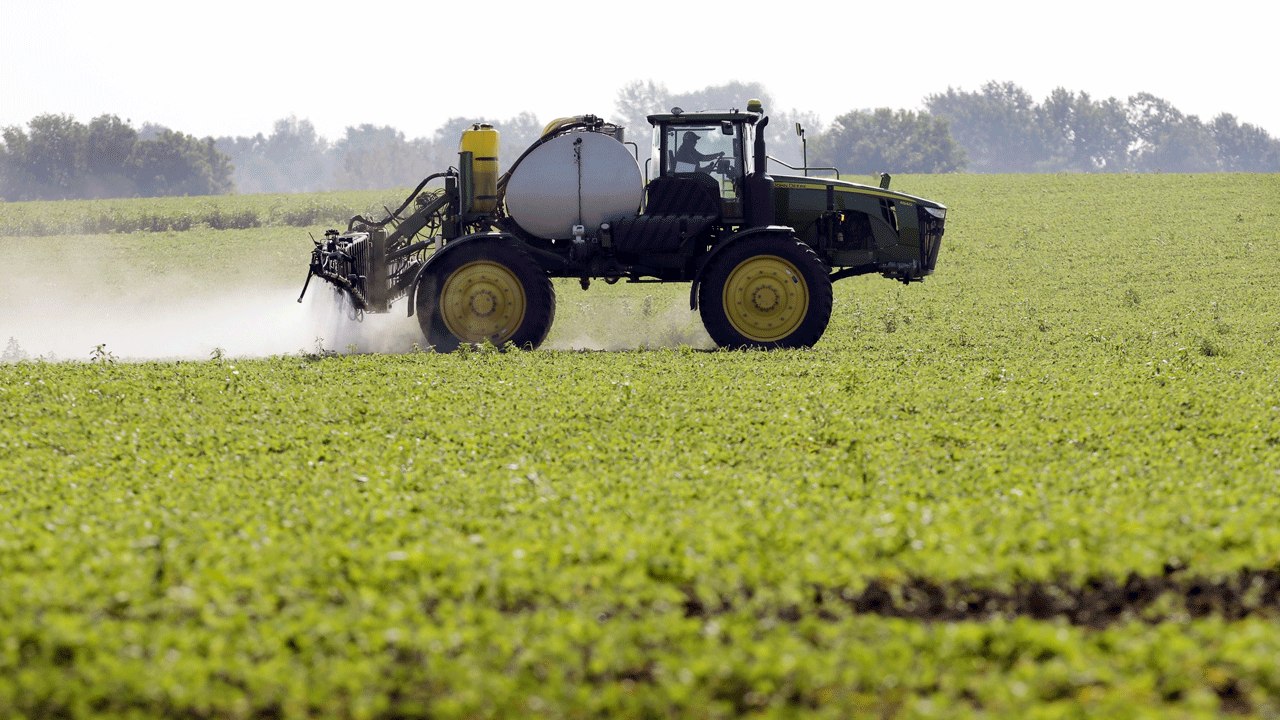
A significant controversy has emerged within the Make America Healthy Again movement following President Donald Trump’s executive order ensuring an adequate supply of elemental phosphorus and glyphosate-based herbicides for national defense purposes.
The order has sparked debate among health advocates who have previously championed pesticide-free approaches due to growing concerns about glyphosate’s potential health impacts.
Dr. Marc Siegel, Fox News senior medical analyst, expressed concerns about the herbicide’s health effects. “There is sufficient evidence linking glyphosate to neurodegenerative diseases, including ALS, Parkinson’s and multiple sclerosis, to warrant limiting exposure,” Siegel told Fox News Digital.
He explained that with Parkinson’s disease, the connection appears related to the gut-brain axis, where exposure affects the gut microbiome before slowly ascending to the brain, potentially causing neurodegenerative disease years later. “There is also a growing association being found between high-dose glyphosate or occupational exposure and metabolic disorders, liver disease, and some cancers, specifically lymphoma,” Siegel added.
Multiple studies have linked glyphosate, the active ingredient in Monsanto’s Roundup herbicide, to increased cancer risk. Research from the University of Washington published in the journal Mutation Research found that exposure to the pesticide increased the risk of non-Hodgkin lymphoma by 41%.
The nonprofit organization Investigate Midwest has also found correlations between pesticide use and cancer rates. Their analysis of data from both the U.S. Geological Survey and the National Cancer Institute revealed that among the top 500 counties for per-square-mile pesticide use, more than 60% had cancer rates above the national average of 460 cases per 100,000 people.
Iowa, which used 53 million pounds of pesticides last year, holds the nation’s second-highest cancer rate. Bill Billings, a resident of Red Oak, Iowa, who was diagnosed with cancer in 2014, shared that his cancer specialist directly attributed his illness to chemical exposure.
Kelly Ryerson, founder of Glyphosate Facts and owner of the Instagram account @glyphosategirl, began researching the herbicide after her own health struggles with chronic illness and autoimmune issues. Her symptoms improved when she stopped eating gluten, leading her to question modern farming practices rather than gluten itself.
“A lot of times, farmers are spraying Roundup on our grains right before harvest to facilitate an easier harvest,” Ryerson explained. “After that easier harvest, because everything’s dry at the same time, those crops go directly to the mill and may end up in our food supply, at alarmingly high levels.”
In 2015, the International Agency for Research on Cancer (IARC), part of the World Health Organization, classified glyphosate as “probably carcinogenic to humans.” This classification was based on limited evidence of cancer in humans, particularly non-Hodgkin lymphoma, and sufficient evidence in experimental animals.
Monsanto has stated they will comply with Trump’s order to produce glyphosate and elemental phosphorus. “President Trump’s executive order reinforces the critical need for U.S. farmers to have access to essential, domestically produced crop protection tools, such as glyphosate,” a company spokesperson told Fox News Digital.
HHS Secretary Robert F. Kennedy Jr., who has long been a vocal critic of Roundup, addressed the controversy surrounding Trump’s executive order. In 2018, Kennedy worked with his legal team to secure a $289 million award for a man who alleged the weed killer caused his non-Hodgkin lymphoma.
Despite supporting the executive order, Kennedy acknowledged the health concerns. “Pesticides and herbicides are toxic by design, engineered to kill living organisms,” he posted on social media platform X. “When we apply them across millions of acres and allow them into our food system, we put Americans at risk. Chemical manufacturers have paid tens of billions of dollars to settle cancer claims linked to their products, and many agricultural communities report elevated cancer rates and chronic disease.”
The controversy highlights the ongoing tension between agricultural practices, national security concerns, and public health priorities. As research continues to emerge on glyphosate’s potential impacts, the debate over appropriate regulation and usage is likely to intensify among policymakers, health advocates, and the agricultural industry.
Fact Checker
Verify the accuracy of this article using The Disinformation Commission analysis and real-time sources.

18 Comments
The controversy over glyphosate underscores the ongoing tensions between economic/security interests and public health concerns. While I understand the need to ensure adequate supplies, the growing evidence around the health risks is deeply concerning. Rigorous, independent review is critical here.
Agreed. These types of complex policy decisions require a careful, evidence-based approach that puts the wellbeing of citizens first.
Concerning news about the potential health risks of glyphosate. While it’s important to ensure adequate supplies for national security, the potential links to neurological diseases and cancer are quite worrying. I hope regulators carefully weigh the evidence and public health impacts before making decisions.
I agree, the health concerns around glyphosate exposure should not be taken lightly. Thorough, impartial review of the scientific evidence is crucial here.
Interesting and concerning developments around the regulatory status of glyphosate. While ensuring adequate supplies is important, the potential links to serious health issues like neurological diseases and cancer are quite worrying. I hope policymakers can find a responsible path forward that prioritizes public health.
Well said. Balancing economic/security needs with public health safeguards is never easy, but in this case the health risks seem too serious to ignore.
The controversy over glyphosate regulation is a challenging one, with significant economic and security considerations at play. However, the potential health risks, including links to neurological diseases and cancer, are simply too serious to ignore. I hope policymakers can find a path forward that prioritizes public wellbeing while also addressing legitimate needs.
Well said. Balancing these competing interests is never easy, but safeguarding public health has to be the paramount concern.
This is a complex issue with significant economic and security implications, but the potential health risks of glyphosate are simply too serious to ignore. I hope regulators carefully weigh all the evidence and put public wellbeing first in their decision-making.
Well said. Safeguarding public health has to be the top priority, even if it means difficult tradeoffs in other areas.
This is a complex issue without easy answers. On one hand, glyphosate is widely used in agriculture and has economic/security implications. On the other, the potential health risks seem quite serious. I hope regulators can strike the right balance and put public wellbeing first.
Agreed, it’s a challenging situation. Responsible regulation grounded in the latest scientific understanding will be critical here.
The controversy over glyphosate highlights the difficult balancing act between economic/security interests and public health. I hope policymakers can find a responsible path forward that prioritizes safety while also meeting legitimate needs. Transparency and open dialogue will be key.
Well said. Navigating these complex tradeoffs requires careful, evidence-based decision-making with input from diverse stakeholders.
The potential links between glyphosate exposure and neurological diseases/cancer are very concerning. While ensuring adequate supplies is important, public health needs to be the top priority. I hope the regulatory review process is rigorous, transparent, and puts evidence first.
Absolutely, the potential health impacts should be the driving factor in any regulatory decisions around glyphosate. Hopefully politics won’t override sound science.
The glyphosate controversy highlights the difficult tradeoffs involved in regulating potentially harmful chemicals. On one hand, the economic and security implications of restricting its use are significant. On the other, the emerging evidence around health risks like neurological diseases and cancer is deeply concerning. I hope regulators can find a responsible middle ground that puts public wellbeing first.
Agreed, this is a complex issue without easy answers. Thorough, impartial review of the latest scientific evidence should be the top priority in making any regulatory decisions.